
In Brief
• Former developers of the MMO EVE Online are working on a new society simulation game called Seed.
• In the game, characters continue living their virtual lives even when the player logs off.
• Player created societies, economies, and politics will shape the evolving world.
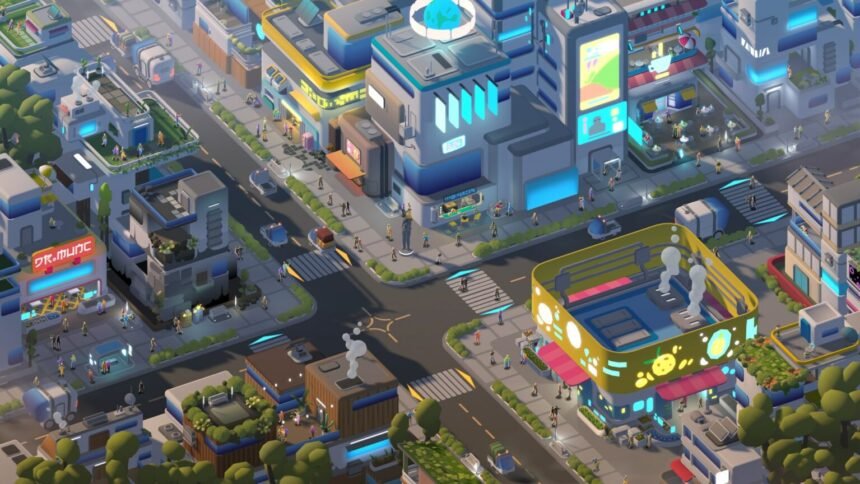
A team of veteran developers from EVE Online is charting new territory in the world of online games. Their Berlin-based studio, Klang Games, is developing Seed—a society simulation MMO that reimagines what it means to live in a virtual world. In Seed, the game’s universe continues to evolve and transform even when its players are offline, setting the stage for an unprecedented level of immersion and continuity.
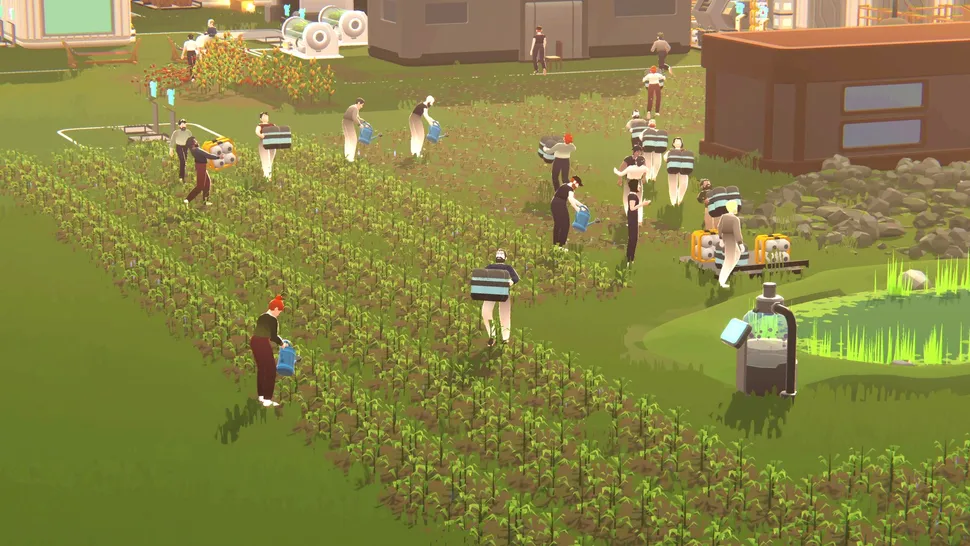
Departing from the conventions of traditional MMOs—where the world essentially freezes when players log out—Seed introduces ‘Seedlings’: characters who continue to work, interact, and shape their environment even in the player’s absence. This persistent simulation means that the virtual world is always in motion, reflecting real-world dynamics and the consequences of collective player actions.
After years of development behind the scenes, Seed made a recent splash at the Game Developers Conference (GDC), unveiling a new trailer and fresh gameplay details. The developers cite inspirations from acclaimed simulation and management titles like The Sims, Dwarf Fortress, and RimWorld, aiming to blend strategic complexity with emergent storytelling.
A Persistent Society Simulation
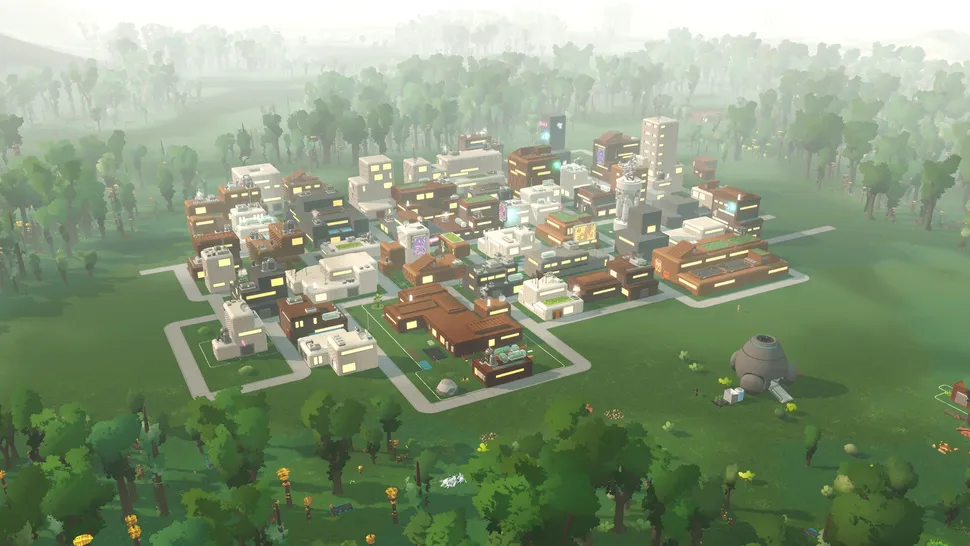
At its core, Seed is a grand experiment in society-building. Players are encouraged to work together to form communities that can range from intimate outposts built by a handful of friends to sprawling cities managed by thousands. The game aspires to capture the complexity and unpredictability of real-world social dynamics within a persistent digital landscape.
Within these virtual societies, players can take on specialized roles—whether as resource gatherers, entrepreneurs, architects, or civic leaders. Ambitious players may even rise to positions of political or economic power, steering the direction of their community through governance and policy decisions.
Seed’s intricate systems are engineered to mirror the intricacies of real-world societies, from economic markets to political upheavals. In one closed beta scenario, a player’s attempt to corner the in-game bread market sparked a political crisis that ultimately saw the incumbent leadership ousted by democratic vote—demonstrating the game’s commitment to player-driven narratives and consequences.
Multiple Characters and Player Roles
Players can oversee multiple Seedlings under a single account, each pursuing distinct professions or lifestyles across different societies. One character may thrive as a business owner in a bustling metropolis, while another leads a quieter existence in a rural, craftsman community. This flexibility allows for a rich tapestry of playstyles and personal stories within the broader game world.
Klang Games envisions Seed as a playground for a diverse player base. Those drawn to complex strategy can immerse themselves in resource management and economic systems, while others may find satisfaction in more personal pursuits, such as customizing homes, nurturing relationships, or running a small virtual shop.
Mobile Support and AI Interaction
To complement the main experience, Klang Games is developing a companion mobile application. This tool will empower players to monitor their Seedlings, assign tasks, and stay updated on community developments, even when they’re away from their computers.
Another innovative feature in the works is the integration of generative AI for in-game conversations. Over time, Seedlings will develop unique personalities shaped by their virtual experiences, enabling richer and more dynamic interactions between characters and players.
Still in Testing
Currently, Seed remains in closed beta, with the development team incrementally inviting more players to participate in testing. While a full release date has yet to be announced, Klang Games is committed to expanding the test environment and refining the experience based on player feedback.
If successful, Seed could redefine the MMO landscape, offering a world that truly lives and breathes, even when its players are not there to witness it.