In Brief
- Providence is initiating the launch of its $OMEN token, designed primarily for in-game functionality within its multiplayer sci-fi survival shooter game.
- The token sale adopts a unique pricing model based on a progressive bonding curve, with no fixed prices or early investor discounts.
- More than 4,900 wallet applications have been received for the community phase of the token sale, targeting 3,000 early contributors.
Providence has announced the forthcoming release of its $OMEN token, which is set to play a vital role within its gaming ecosystem. Unlike traditional financial assets, $OMEN is crafted to facilitate gameplay features such as AI agents, homestead upgrades, and marketplace interactions. It aims to support immersive game mechanics and player contributions, steering clear of speculative uses.
The Game: Survival and Strategy
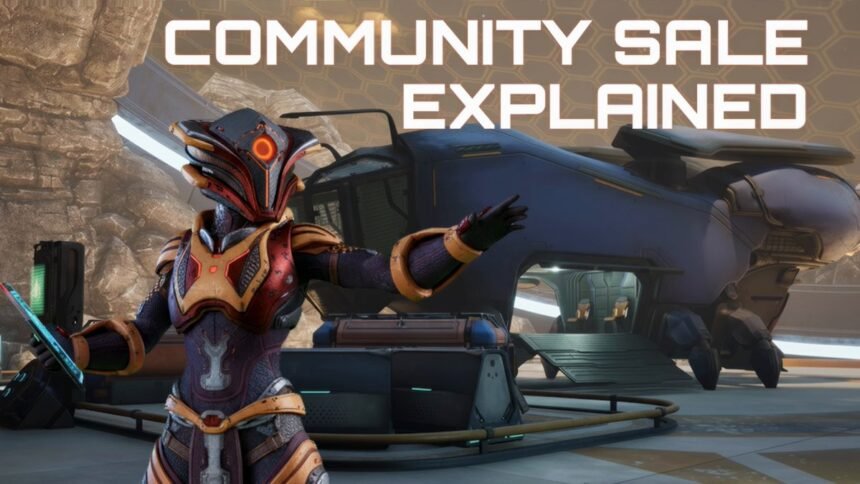
Providence’s game is a blend of exploration and survival, drawing inspiration from similar titles like Arc Raiders. Players are placed in dynamically shifting environments called Slipworlds, compelling them to manage resources, engage with both AI and player opponents, and strategize their extraction from unstable terrains. These elements make survival and tactical decision-making central to the game, aligning closely with the functionality of the $OMEN token.
Dynamic Token Sale Model
The sale of $OMEN will not follow a traditional fixed pricing structure. Instead, it utilizes a progressive bonding curve starting at a valuation of $1 million, or approximately $0.001 per token. The cost of tokens will incrementally rise based on demand. The sale process considers three factors: the bid amount, lock-up duration, and whether the bidder stakes an eligible NFT, making the final price participant-specific.

Scoring and Allocation
Participants in the token sale are assigned an allocation score based on their bid amount, lock period, and NFT involvement. This score then decides their position on the bonding curve and their buying capacity, with bid ranges from $500 to $25,000 in ETH or USDT. Notably, the inclusion of a soulbound Mark NFT for early participants marks their contribution and offers additional benefits within the game’s ecosystem.
Efforts to Ensure Fair Distribution
To prevent wealthier contributors from overwhelming the token distribution, Providence has implemented a tiered system. This ensures that each contributed amount up to the first $500 is distributed equally among all wallets, with larger bids filling only if capacity permits.
Progress and Next Steps
The ongoing Community Phase remains selective, admitting participants based on their previous engagement with the Providence ecosystem. Out of over 4,900 applicants, 1,000 have been approved, with additional entries processed in waves based on merit. Following this phase, the Public Phase will commence, adjusting token prices up the bonding curve and providing opportunities for new entrants without previous discounts.
Innovative Use of Locked Tokens
Providence has structured the use of $OMEN tokens to allow gameplay interaction even during the lock-up period, deviating from typical web3 gaming platforms where locked tokens remain inert until fully vested. This approach facilitates ongoing player involvement and utility within the game from the outset.
Community-Centric Approach
In a move distinct from typical venture-backed launches, the $OMEN token’s introduction is being managed without venture capital participation, focusing purely on community engagement and in-game utility. This strategy aims to align token distribution with actual contributions and gameplay, rather than external investment dynamics.
Anticipation for Official Launch
While the exact date for the token generation event (TGE) is yet undecided, Providence is making continuous efforts to complete the Community Phase. Further details and updates are expected soon as the project moves forward.