
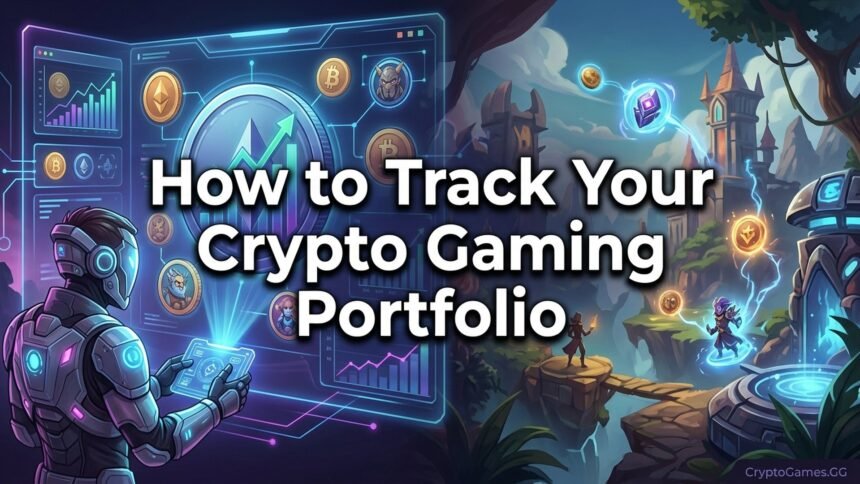
Managing assets across multiple games, chains, and wallets without a tracking system quickly becomes chaotic. Players who don’t track their portfolio properly miss tax obligations, can’t calculate actual ROI, and often don’t know whether they’re net positive or negative on their crypto gaming activity. This guide covers the tools and habits you need for clear portfolio visibility.
What Needs to Be Tracked
A crypto gaming portfolio includes more than just token balances. You need to track: game tokens across all wallets, NFT assets and their approximate market values, staking positions and accruing rewards, scholar income if you manage a scholarship programme, and any liquidity pool positions. Each of these has a different liquidity profile and different tax treatment, so keeping them clearly separated in your tracking system matters.
Step 1: Centralise Your Wallet Overview
If you use multiple wallets across multiple chains (common among active multi-game players), the first step is a tool that aggregates across all of them. Zapper, DeBank, and Zerion all offer cross-chain portfolio views that aggregate token balances, NFT holdings, DeFi positions, and staking balances from connected wallets. Connecting your wallets (MetaMask, Phantom, Ronin, etc.) to one of these dashboards gives you an immediate aggregated view of your total crypto gaming position.

For our setup guides for the major gaming wallets, see our best crypto gaming wallets guide. Connecting each of your wallets to an aggregator should be done immediately after initial wallet setup.
Step 2: Track NFT Values
NFT portfolio tracking is more complex than token tracking because NFTs don’t have constant market prices. Tools like NFTGo, OpenSea portfolio view, and game-specific marketplace dashboards provide floor price data for your held NFTs. Floor price is not the same as what you can actually sell for (the next buyer sets the real price), but it’s the most practical approximation for portfolio valuation.
Record your NFT purchase prices alongside current floor values to understand your unrealised gain/loss position. This is also essential information for tax purposes — in most jurisdictions, NFT sales are capital gains events, and your gain is calculated from your acquisition cost.
Step 3: Track Earnings Over Time
Knowing your current portfolio value is different from knowing your income rate. Create a simple log (a spreadsheet works well) recording: daily or weekly token earnings per game, USD value at time of receipt, and total cumulative earnings. This income tracking is the basis for ROI calculation and for tax reporting.
Some players use dedicated crypto tax tools (Koinly, CoinTracker, TaxBit) that also function as income trackers — they import transaction history from connected wallets and produce income summaries. This dual function makes them efficient choices for players who plan to file properly.
Step 4: Calculate Your Real ROI
Real ROI means total earnings (in USD) minus total costs (initial NFT purchases, gas fees, any token purchases). Many players find, once they calculate this properly, that their apparent earnings look more modest when capital costs and opportunity costs are factored in. This is important information — it tells you whether your time and capital are generating returns that justify the effort relative to alternatives.
Step 5: Set Portfolio Alerts
Token price alert services (available in most major crypto tracking apps like CoinGecko and CoinMarketCap) let you set notifications when a game token falls below a threshold that would change your strategy. Setting alerts for significant price drops in your key holdings prevents the scenario where a token falls 50% before you notice and can act.
FAQs
What is the best app for tracking crypto gaming assets?
DeBank and Zapper are the most comprehensive for cross-chain token and DeFi position tracking. Supplement with NFTGo for NFT valuation and Koinly or CoinTracker for tax-focused income tracking.
How often should I update my crypto gaming portfolio?
Token balances update in real time via aggregator apps. For NFT floor prices, weekly checks are sufficient for most portfolios. Income logging should happen after every earnings settlement.
Do I need to track small token amounts?
Yes — in most tax jurisdictions, all crypto income is reportable regardless of amount. Small unclaimed amounts also accumulate over time and are worth collecting and converting.