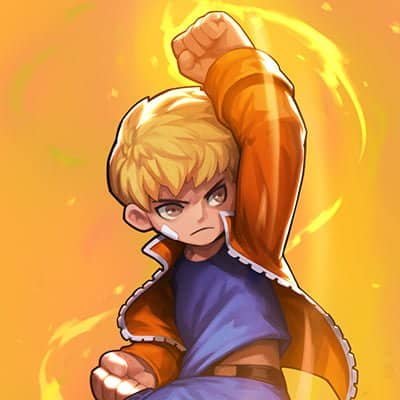
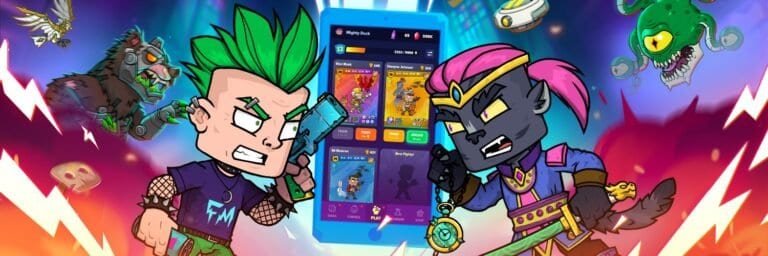
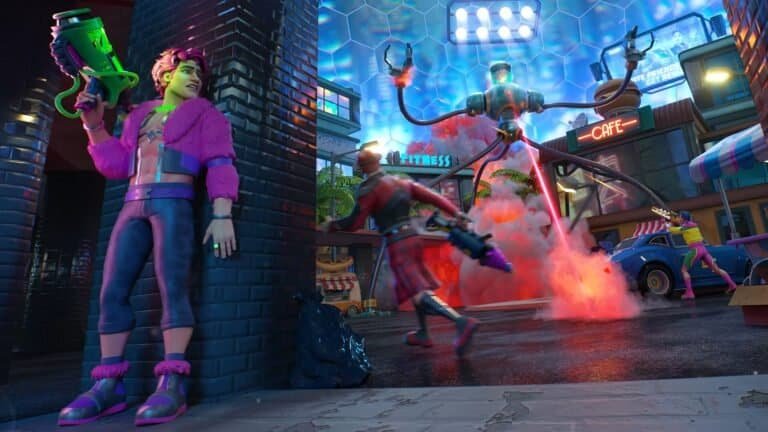
Krypto Fighters is an NFT-based turn-based strategy game whose developers name their inspiration directly: Darkest Dungeon. Players do not control a single hero but recruit, train and lead a team of fighters, and the game is built on the Polygon network. That lineage sets expectations correctly — this is a game about managing a roster under pressure rather than about winning individual duels.
The loop runs across five verbs the developers list themselves: collect, trade, recruit, rent and train. Fighters are acquired and then developed over time, and squad composition is the strategic core — which fighters you send, in what formation, against which threat. Combat is turn-based, so the decisions are positional and sequenced rather than reflexive. The rental system is the notable addition: fighters can be lent to other players rather than only sold, which lets a player field a team without buying one outright and lets a collector earn from fighters they are not currently using. A marketplace, published patch notes and a whitepaper cover the economic and development side.
Renting rather than buying addresses the problem that has sunk a lot of NFT games: the entry cost. A player who cannot afford a squad can lease one, play, and decide later whether to own. The Darkest Dungeon influence is the other differentiator — a roster game where fighters are attrition-prone assets you manage is a much better fit for tradable characters than a hero shooter, because the fiction and the economy want the same thing.
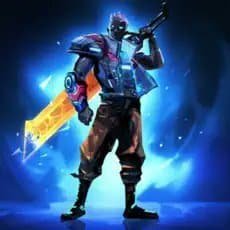
Krypto Fighters is a PvP battler on Polygon built around NFT fighters that players collect, train, and pit against one another. Each fighter carries its own attributes, abilities, and rarity tier, and because those fighters live on-chain they can be bought, sold, and traded outside the game as much as used inside it.
The clearest thing it gets right is scope. It is not trying to be an open world or an economy simulator — it is a roster and a fight, with combat billed as strategic and skill-based rather than a coin flip, so move selection and ability timing are meant to decide matches. Running on Polygon also keeps transaction costs low enough that trading fighters is not gated behind prohibitive fees.
The catch is the same as the pitch: rarity is explicitly framed as what makes a fighter valuable, which means a marketplace advantage and a competitive advantage are hard to separate. Anyone arriving without capital is entering a PvP ladder against opponents who could simply buy a better roster. Available material also says little about matchmaking, progression depth, or how training actually works.
It suits players who already enjoy asset-trading loops and want short competitive bouts attached. Anyone looking for a fighting game first, with ownership as an afterthought, will find the market too central to ignore.
This is our own editorial assessment. We do not score games — ratings come from players.
Krypto Fighters
Based on 0 reviews
Played Krypto Fighters? Tell other players what it is actually like.
No category ratings yet — be the first to rate.
No reviews yet. Be the first to review this game!
5 official channels available.
Picked by what these games actually share — genre, chain and platform — with the rarer traits counting for more. Not by how popular they are.
Know something we got wrong? Change the fields below. Your edit is reviewed by our editors before it goes live — usually within a day.
Our editors check every suggestion before it goes live. If you left an email, we will tell you when it is approved.