
In Brief:
- Collector Crypt has introduced a new consumer-focused model for real-world assets (RWAs) using randomized card packs and USDC sellbacks.
- The CARDS token gained traction following increased social media attention, alongside impressive operational metrics, including $60.98 million in annualized fees.
- This model challenges conventional RWA approaches by emphasizing user engagement through collectible trading rather than traditional financial structures.
Collector Crypt creates a new consumer model for RWAs
Collector Crypt is shifting the narrative around real-world assets (RWAs) by utilizing randomized card packs and offering a marketplace for trading physical collectibles. The platform stands out by fostering genuine user interaction, diverging from the standard institutional approach seen in tokenized assets.

The CARDS token surged in awareness on June 23 after Arthur Hayes highlighted it. This spike coincided with significant operational results—$60.98 million in annualized fees, $15.15 million in 30 days, and $142.39 million in monthly decentralized exchange (DEX) volume, as reported by DeFiLlama.
The platform’s dashboard provides detailed analytics on pack sales and marketplace transactions. Users can purchase mystery packs, open randomized NFTs, and redeem them physically, all while utilizing USDC for sellbacks. Unlike other consumer crypto applications, Collector Crypt offers transparency and measurable activity, which elevates its model above traditional RWAs centered around institutional investments.
How card packs function as RWAs
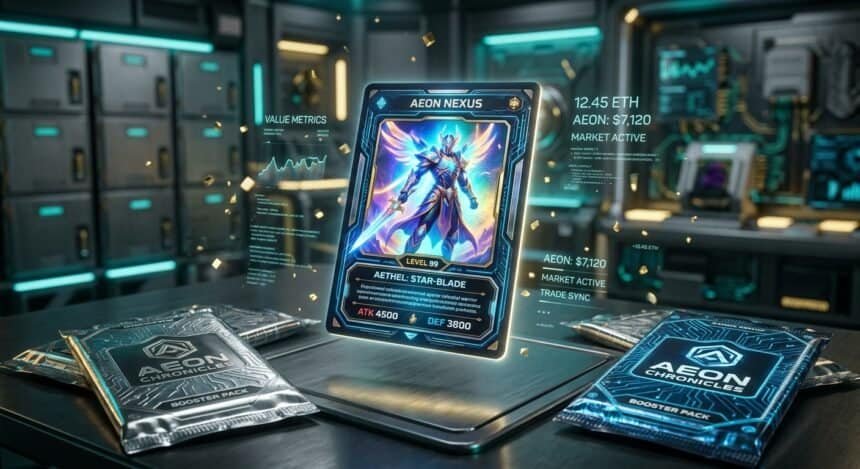
Collector Crypt allows users to digitize physical trading cards and participate in a gamified experience. Users can acquire random packs, with buyback options linked to USDC, which creates an interactive loop centered on card purchase and trading.
This approach deviates from standard tokenized Treasury models. The platform’s mechanics include a gacha API for pack purchases and a shipping API detailing the redemption of physical assets. This process emphasizes a collectible experience rather than an institutional collateral market.
However, it raises questions about ongoing user engagement. Will interest remain high beyond the initial incentive-driven phase?
Consumer behavior and market viability
The Collector Crypt model relies heavily on consumer interaction. Currently, the CARDS token is trading at approximately $0.27, reflecting a 66% uptick in a month but a slight drop recently. Its market cap is estimated at $111 million, indicating that the economic health of the platform may depend on maintaining user trust and demand for the underlying cards.
As buyer behavior evolves, internal dynamics of the ecosystem must be scrutinized. Users may gravitate toward collecting physical cards, but the potential for speculative trading poses risks as well.
Recent developments, including a collaboration with Solflare releasing randomized packs, underline ongoing scrutiny into the model’s design and regulatory implications. These dynamics become crucial as enforcement actions focus on paid randomization in a gaming context.
Monitoring retention and future engagement
Collector Crypt has made significant strides in demonstrating real-time user activity through its well-monitored metrics. Moving forward, the vital indicators will be retention rates, redemption occurrences, and the quality of ongoing user engagement with the platform.
The durability of this model hinges on whether it can maintain everyday users seeking tangible asset ownership or merely functions as a fleeting entertainment loop. Collectively, these factors will paint a clearer picture of whether Collector Crypt is paving the way for a viable consumer-driven RWA market or merely another passing trend in the collectible space.