
A $55 billion deal for one of the biggest names in games just cleared the hurdle everyone was watching.
The European Commission approved Saudi Arabia’s Public Investment Fund buying Electronic Arts, ruling under the EU Merger Regulation that the purchase raises no competition concerns. That regulatory sign-off was one of the last major obstacles in the PIF‘s path.
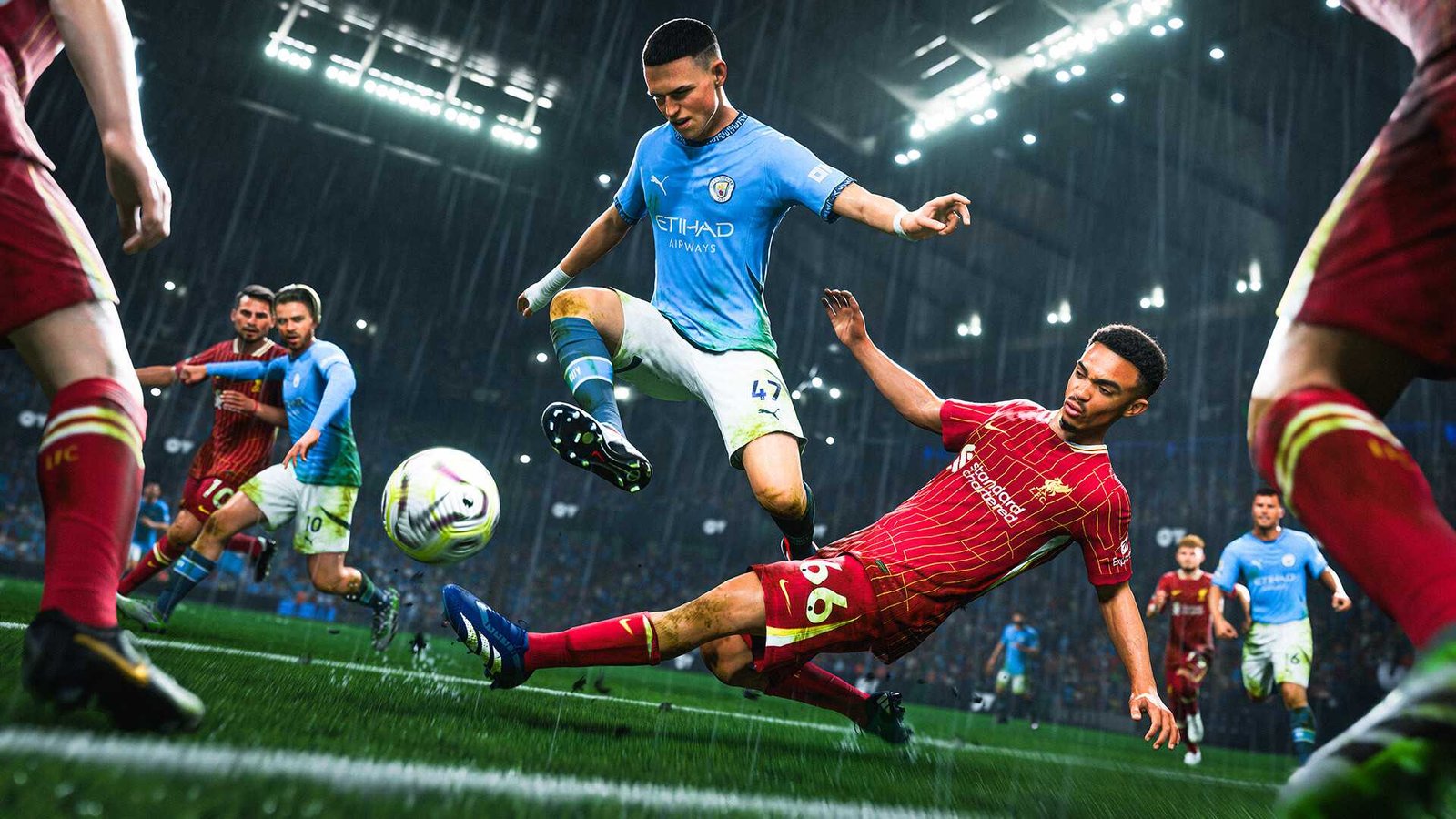

Here’s how the Commission put it: “The transaction relates primarily to the production and distribution of video games for mobile devices, PCs and consoles, as well as the organisation and commercialisation of video game competitions, commonly referred to as electronic sports events.”
And the verdict: “The Commission concluded that the notified transaction would not raise competition concerns, given its limited impact on competition in the markets where the companies are active. The notified transaction was examined under the normal merger review procedure.”
Why this number matters
If the purchase closes, it becomes the largest private leveraged buyout in history. That means an acquisition done mostly with borrowed debt.
It would also rank as the second-largest deal the video game industry has ever seen. The only bigger one is Microsoft’s acquisition of Activision Blizzard, and that hasn’t exactly been a feel-good story. Microsoft just laid off more than 3,000 employees.
The PIF isn’t going in alone. The buyers include private equity fund Silver Lake and Affinity Partners, the investment firm run by Jared Kushner.
Saudi Arabia has been collecting game companies
This is the kingdom’s latest move into gaming, and it’s been busy. The PIF owns Savvy Games Group and holds stakes in Activision Blizzard, Capcom, Embracer Group, Nintendo and Take-Two.
It also owns 97% of publisher SNK, which put out Fatal Fury: City of the Wolves last year.
The official line is that Saudi Arabia entered gaming to diversify an economy built on oil. Plenty of people read it differently. To them it looks like the gaming version of what critics have called “sportswashing.”
The country carries a poor global reputation over widespread human rights abuses and alleged international crimes, including the assassination of Washington Post columnist Jamal Khashoggi. It has financed sports leagues like the Saudi Pro League and LIV Golf to soften its image.
Now it’s doing something similar with games. The goal, critics argue, is to get gamers associating Saudi Arabia with entertainment rather than with brutal working conditions for migrant laborers and anti-LGBTQ laws.
Some players aren’t buying it
Last week the speedrunning charity Games Done Quick reversed course on a sponsored event tied to Metal Slug publisher SNK, held for the series’ 30th anniversary. GDQ pulled the stream partway through after getting called out on social media for partnering with a company the PIF owns.
EA leadership says the company will “maintain creative control” under its new owners. There’s reason to be skeptical.
Look at Fatal Fury: City of the Wolves. The Saudi government appears to have shaped its development, and the tell is in the roster. The game added guest characters like soccer player Cristiano Ronaldo and DJ Salvatore Ganacci, choices that only make sense once you follow the money.
Ronaldo plays in a PIF-funded league. Ganacci has performed in the country.
The deal won’t close right away. But the roadblocks are thinning out fast. If it goes through, the question isn’t whether Saudi money reaches EA’s games. It’s how long EA’s independence lasts once it does.