


In Brief:
- Meta is restructuring its metaverse strategy, shifting Horizon Worlds to mobile and removing it from the Quest store.
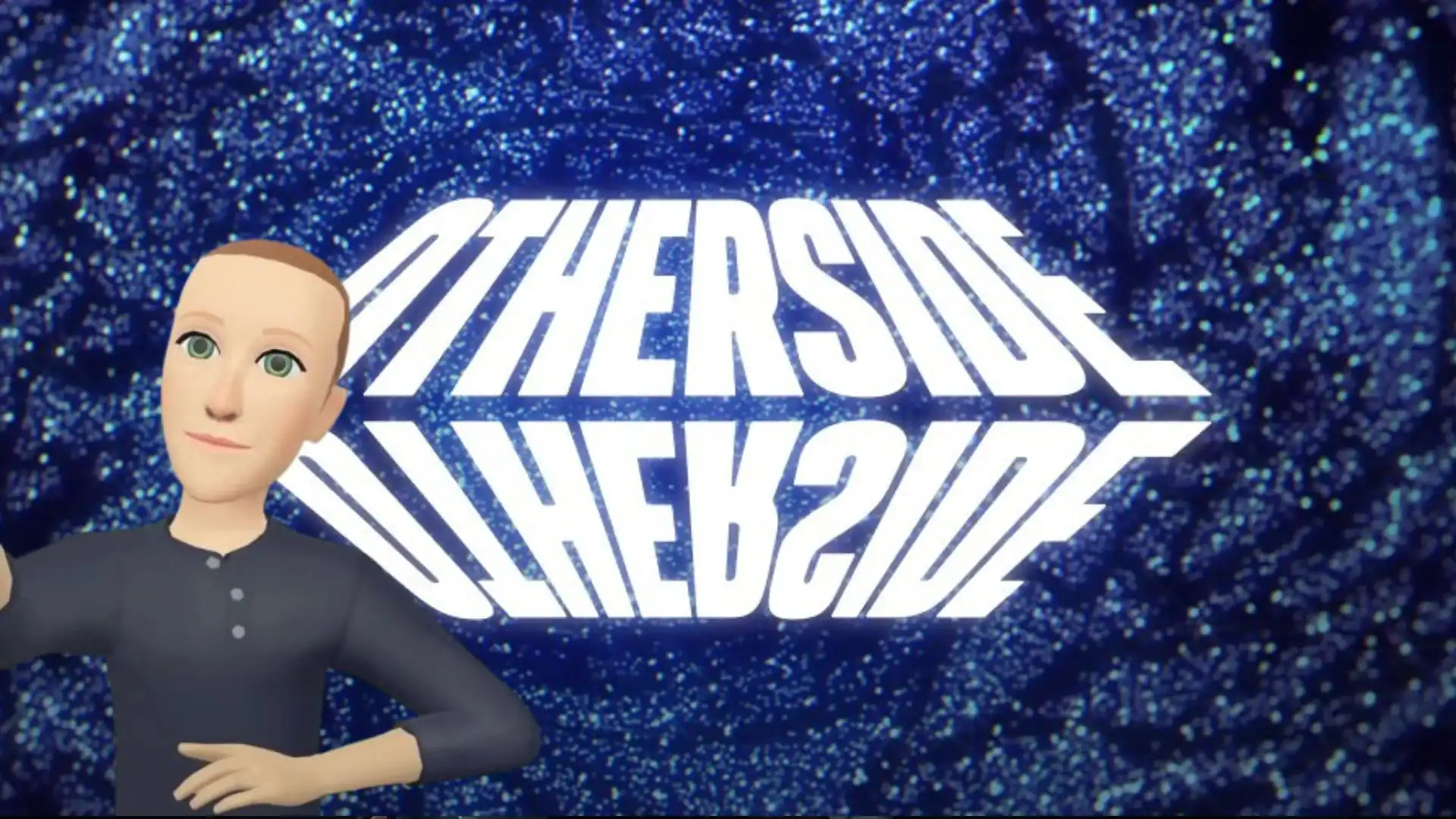
- Yuga Labs’ Otherside gains traction as a decentralized ecosystem that emphasizes user ownership and engagement.
- Meta’s retreat opens the narrative for Otherside and similar projects to experiment outside of a hardware-heavy, centralized model.
Meta shifts its metaverse strategy
Meta Platforms is scaling back its metaverse ambitions, reframing Horizon Worlds from a VR-centric model to a mobile-first experience. The platform will no longer be available on the Quest store following feedback indicating limited user interest and minimal monetization, despite mobile downloads reaching millions.
Meta’s Reality Labs has sustained over $80 billion in losses since 2020, with Horizon Worlds struggling to attract more than a few hundred thousand monthly users. This financial backdrop prompted a reevaluation of its VR model and led to layoff cuts and studio closures within Reality Labs.
Reality of a centralized approach
The original vision relied heavily on VR headsets, which have seen limited adoption. Users were constrained by Meta’s centralized system, reducing the potential for community engagement akin to platforms like Roblox. Attempts to drive user engagement through investment yielded minimal results, as the growth in active users failed to materialize.
Yuga Labs’ unique entry
In contrast, Yuga Labs has approached the metaverse space with a focus on community building through NFTs, specifically the Bored Ape Yacht Club, which set the stage for its Otherside metaverse. Otherside’s design centers around persistent digital ownership, where users hold land parcels, avatars, and in-game assets that can potentially interoperate across various experiences. This community-oriented foundation fosters a more participative environment.
Competitive landscape shifts
Meta’s retreat clears the path for Otherside to take the lead by removing the most prominent corporate competitor from the market. With Meta’s diminished influence, Otherside can experiment with features and incentives without being constrained by a single-device framework. Ongoing updates, including new gameplay elements and social features, continue to promote user engagement.
Yuga’s position to shape the metaverse
Yuga Labs isn’t guaranteed to dominate the metaverse, but its cultural foundation positions it to influence future directions. The challenge will be to broaden its appeal while maintaining the essence of ownership intrinsic to its user base. If Otherside can successfully enhance usability and keep developing its features, it may carve out a defining version of the metaverse centered on user participation and ownership.
Meta’s retreat underscores the limitations of its hardware-first, centralized approach, leaving the door wide open for Otherside and similar projects to explore alternative methods that prioritize user engagement and decentralized ownership.