
In Brief:
- Onchain Heroes activates Phase 2 of its Expedition Mode, introducing real stakes and payouts.
- Phase 1 served as a practice run; players can now earn rewards based on their decisions.
- The game emphasizes player agency, with a focus on risk and verifiable ownership of assets.
Onchain Heroes goes live with Expedition Mode
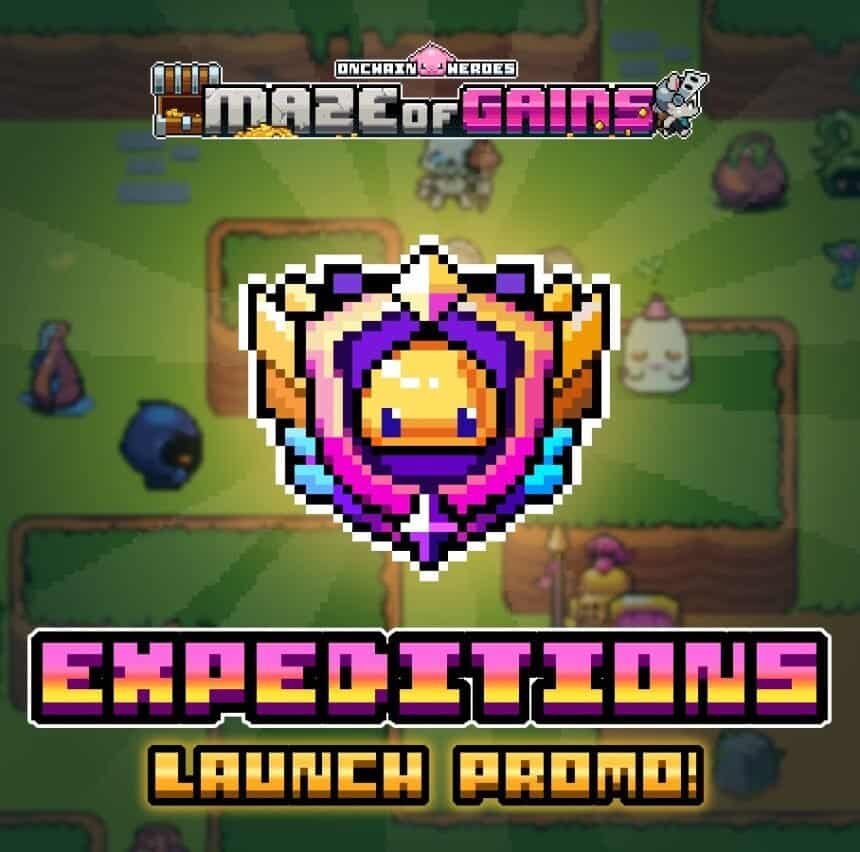
Onchain Heroes has transitioned its Expedition Mode to a live phase, allowing players to earn tangible rewards through gameplay. Previously, players participated in a practice phase with no stakes, but now every expedition decision affects potential earnings.

The announcement came through the game’s official channels, marking the shift from a training environment to real engagements. Players are now incentivized to strategize their moves as rewards become an integral part of the game.
From practice to live rewards
Phase 1 allowed players to familiarize themselves with the Expedition Mode mechanics without any financial consequences. This staged approach has been typical for Onchain Heroes, aiming to create a smooth transition into live environments. Phase 2 alters this dynamic significantly; players now face the pressure of making informed decisions that directly affect their earnings.
The change elevates the stakes, pushing players from a tutorial mindset into a competitive landscape where choices count. The transition is designed to enhance engagement and interaction among players based on real outcomes.
Understanding Onchain Heroes
Developed by Skarly, a former lead developer on Wolf Game, Onchain Heroes operates on the Ethereum Layer 2 network, Abstract. The game presents an idle RPG experience where risk is a primary element. Each player sends heroes into battles and expeditions, bearing the possibility of permanent losses of their assets.
Transactions and outcomes are entirely onchain, ensuring ownership is transparent and immutable. Player interactions are rooted in strategy, requiring careful consideration of when to pursue rewards and when to hold back.
Tokenomics and NFT structure
Central to the game is the HERO token, an ERC-20 utility token essential for various in-game transactions. Players utilize HERO for battles, upgrades, and cosmetic items, while earning it through gameplay achievements.
In addition to the HERO token, Genesis Rings NFTs provide holders with a share of the token supply and access to future airdrops. The game’s design focuses on equal access; players must own a Genesis Hero and a Weapon NFT to participate.
The reward structure is designed to reinvest value back into active players. Each season, 50 percent of spent HERO is redistributed according to player rankings, ensuring the economic model benefits those who consistently engage.
Seasonal resets and gameplay evolution
Onchain Heroes implements a seasonal structure that allows players to adapt continuously. Each season begins with a reset of Genesis Heroes to Level 1, creating a level playing field while maintaining the value of tokens and NFTs.
These resets aim to counteract inflation while streamlining the onboarding process for new players. Seasonal updates introduce new gameplay elements, exemplified by Dragma, a world boss added in Season 2 that shifted gameplay focus toward strategic combat.
Implications for players
The launch of Phase 2 in Expedition Mode offers players an enhanced opportunity to engage with the game’s ecosystem while earning rewards that carry real weight. This approach increases the importance of player choices and reflects the studio’s philosophy of gradual feature rollout.
With rewards active and stakes higher, players are faced with decisions that could either elevate their gameplay or risk loss. The current season challenges players to manage their strategies effectively as they navigate the new competitive landscape.