


A family moves into a Gothic mansion full of doors nobody’s supposed to open. The kids find keys that do impossible things. The adults forget the magic the second they see it.
That’s Locke & Key, and it’s the closest thing Netflix has to a Stephen King and J.K. Rowling crossover.
The show ran three seasons and holds a 68% Rotten Tomatoes score. Middling on paper. But the source material comes from a comic written by Joe Hill, who happens to be Stephen King’s son, and the family resemblance shows up everywhere.

King’s villains don’t hide in the dark waiting to be discovered. They come out. They manipulate, they torment, they take people apart psychologically. Rowling’s work runs on different fuel: magic systems with rules you can learn, and kids growing up inside them.
The King half is in the grief, not the gore
Hill’s original graphic novel doesn’t flinch from extreme gore. Netflix’s version waters that down considerably and leans on thematic horror instead.
Which puts it in company with The Shining and Pet Sematary. The Locke family is already wrecked by grief before anything supernatural touches them. The monster arrives to a house that’s already haunted by something ordinary.
Matheson, the town, works the way Castle Rock and Derry work. Its buried terrors come from the previous generation’s secrets, from failed magical practices to family sins nobody wanted written down.
And Dodge, the main antagonist, operates on pure King logic. Dodge finds the characters’ worst vulnerabilities and applies pressure there.
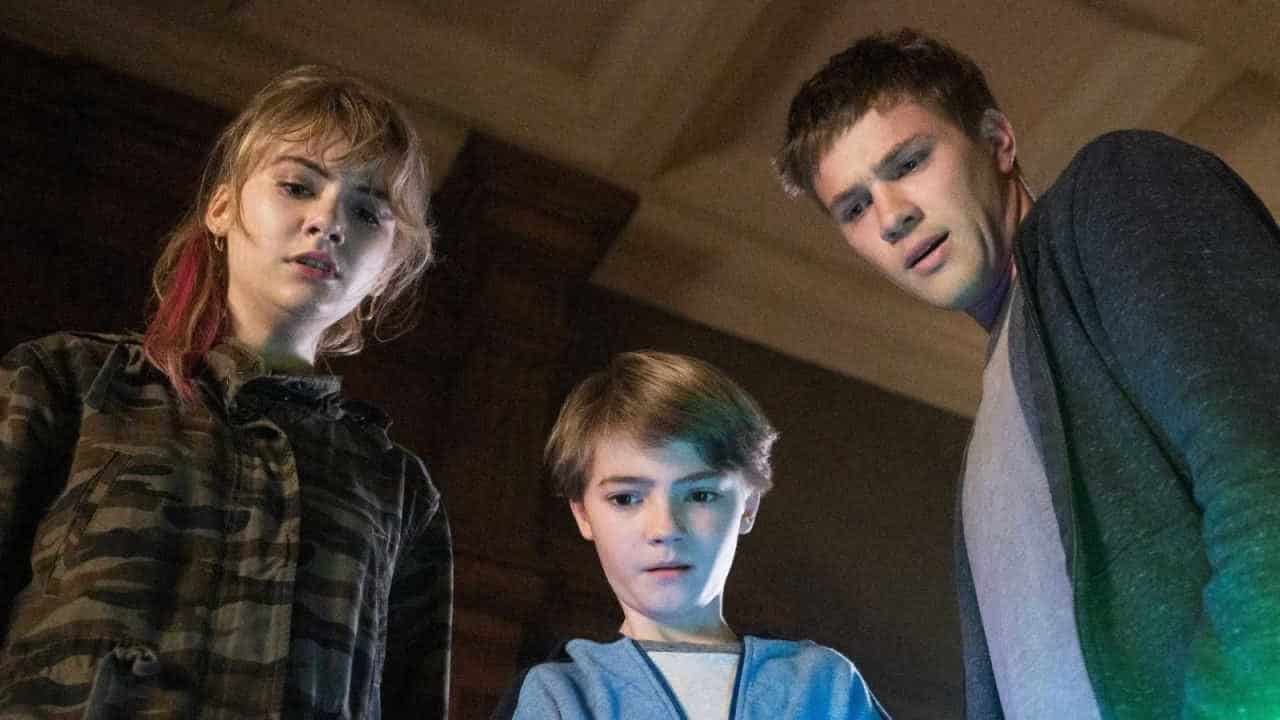
The Rowling half is in the rules
Here’s where the show turns whimsical. The keys are enhanced items that follow a fixed set of magical rules, and each one opens up a new mystery, a new piece of mythology, a new direction for the plot.
The best structural idea in the whole series is that adults forget. Magic belongs to the kids, full stop, which means they fight the darkness with no grown-up backup.
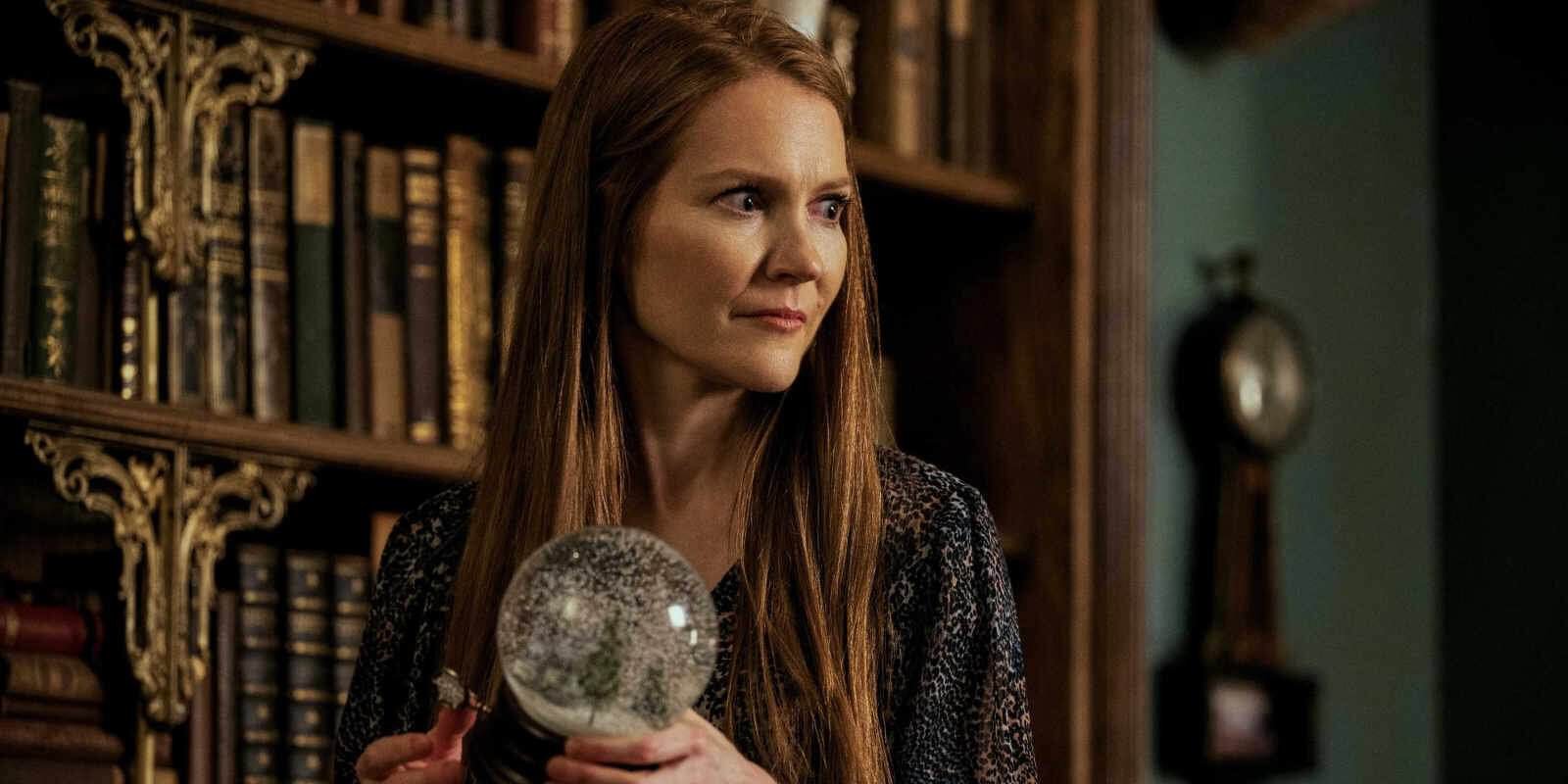
Then there’s Keyhouse Manor: a sprawling labyrinth of hidden rooms and ancient relics. Hogwarts with worse plumbing and a body count.
What the book people hated
Netflix has a habit of sanding down dark comics and novels. Sweet Tooth got the same treatment and still landed well with viewers and critics. The Electric State got it too and never made an impression despite a stellar cast.
Locke & Key took its share of hits from people who’d read the comic first. The complaint was consistent: the show works too hard to be accessible to a big audience instead of committing to the source material’s darker tone and complicated mythology.
Fair enough. But the magic system stays coherent across all three seasons, which is more than most fantasy shows manage, and the episodes where the keys get combined produce genuinely clever high-concept set pieces.
Why it still works
The grief and trauma running underneath the keys carries real weight. You don’t need to have lost anyone to feel what the show is doing with it, though it helps.
The Gothic look sitting next to the whimsy gives the whole thing a cozy-yet-creepy Christmas feel, the kind of tonal mix that shouldn’t work and mostly does.
And it finishes. Three seasons, a complete arc, an ending that lands on a fairly satisfying note. In an era of cancellations, that’s not nothing.
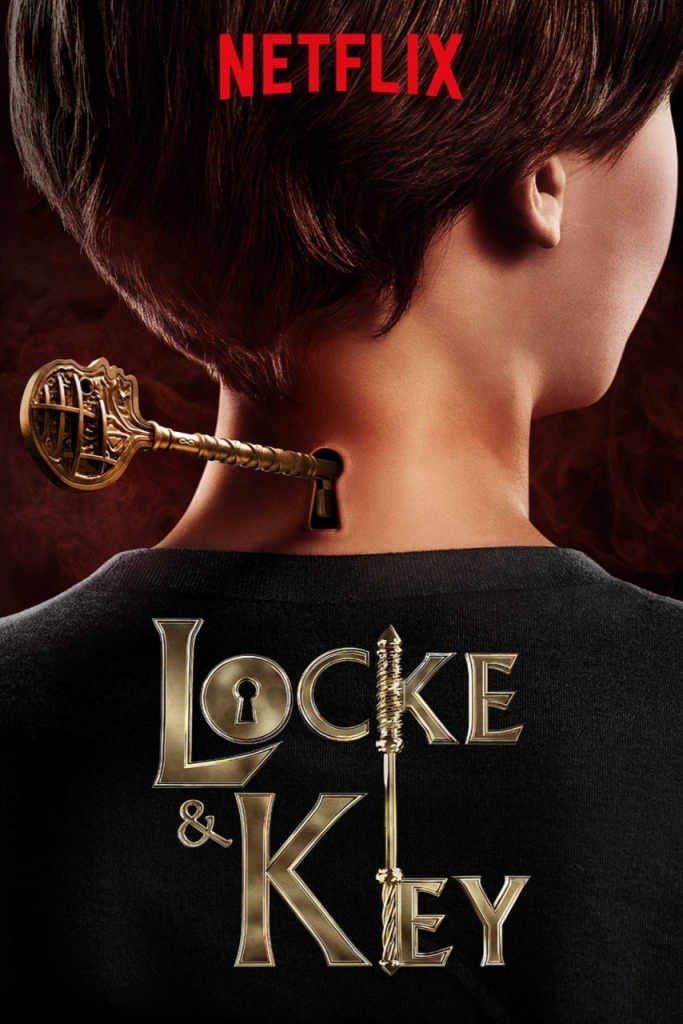
Locke & Key isn’t as good as the best King adaptations or the best Rowling ones. It’s the show you put on when you want both at once and you don’t want to think too hard about which one you’re getting.