
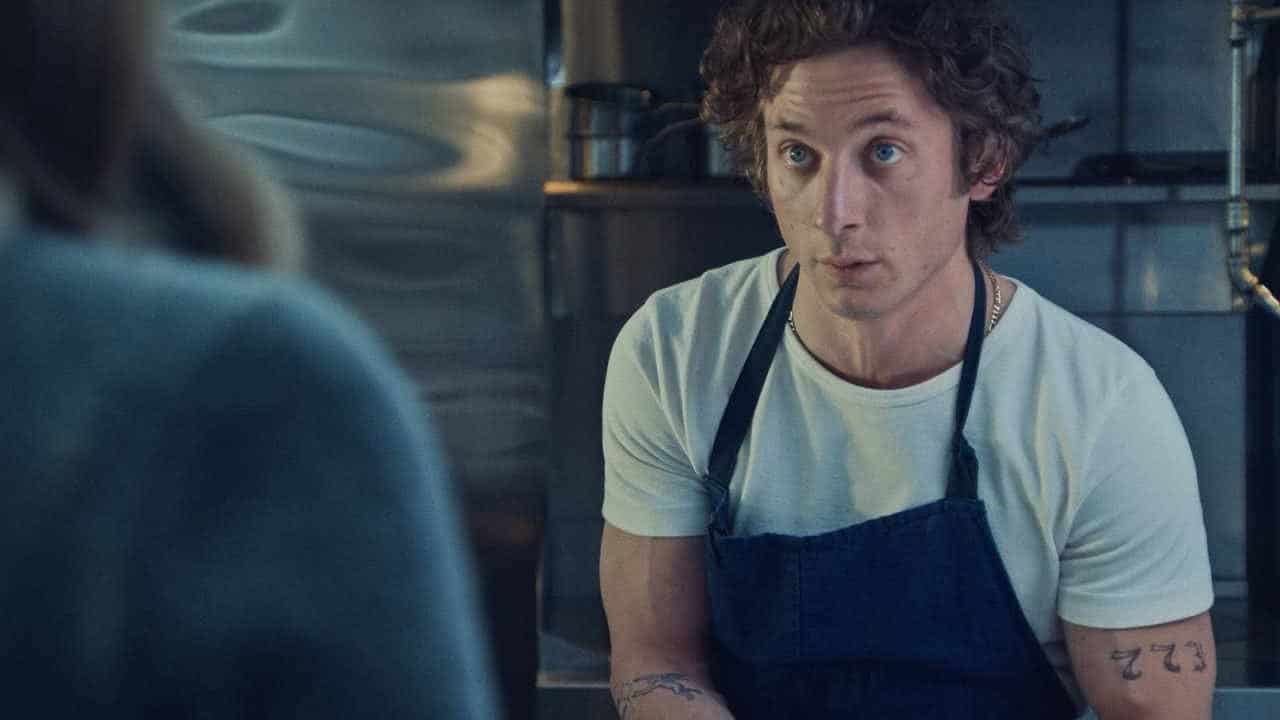

Carmy Berzatto’s first scene isn’t in a kitchen. It’s on an empty bridge, at night, with a caged bear.
He opens the cage. He hushes the animal, quietly, the way you’d calm a kid. He says, “I know.” Then the bear rushes him and he wakes up at The Beef.
That dream is the whole show in about 40 seconds, and it’s the reason the title of a comedy-drama about a Chicago sandwich shop is a single blunt animal noun. There are five meanings stacked inside it. Some of them the show hands you in the first episode. Others took until season 2 to surface.
Here’s every one of them.
The nickname came first
Start with the simplest answer, because it’s also the one the show leads with.
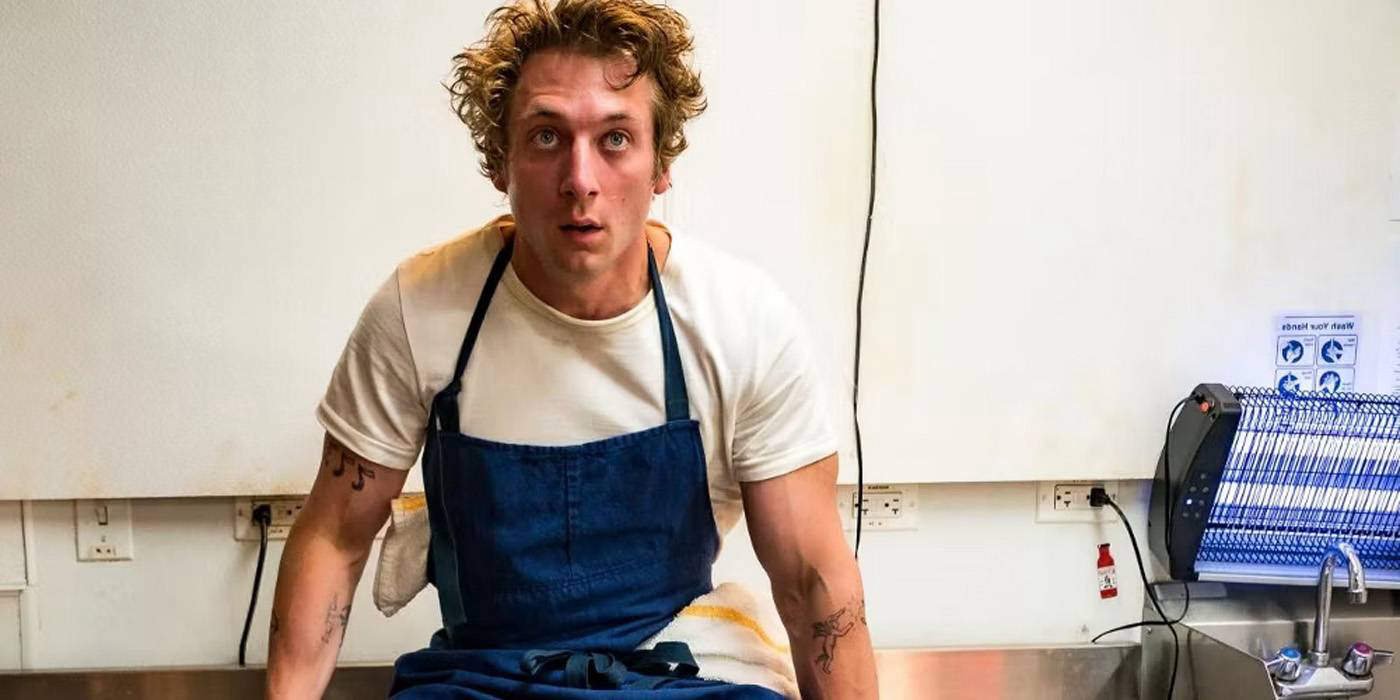
Berzatto is pronounced “bear-zatto.” That’s it. That’s the origin. A family surname got shortened the way family surnames do, and it stuck differently to each person who carried it.
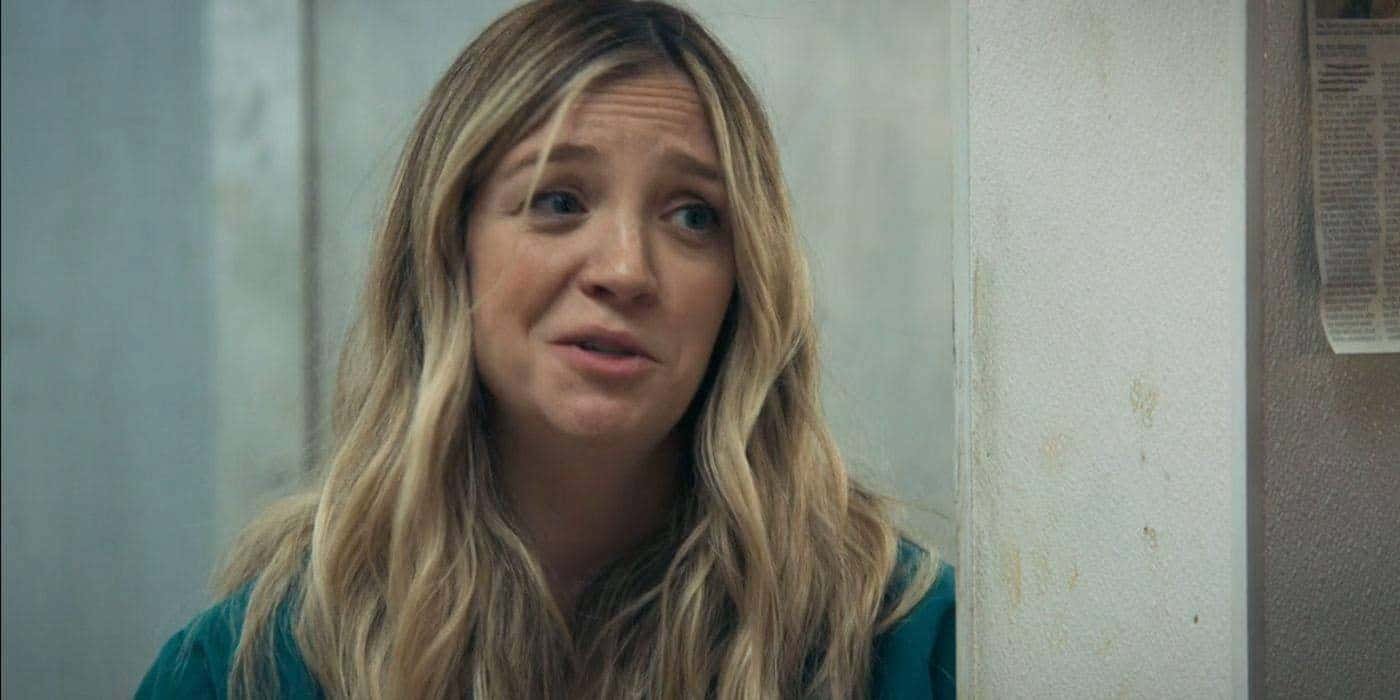
Mikey gets called “Mikey Bear” now and then. Natalie, who everyone knows as Sugar, sometimes gets “Sugar Bear.” But the nickname really belongs to Carmy, who is just Bear. No modifier. The default setting.
The Berzatto family dynamics are a mess of troubled childhoods, and season 2 dug into that considerably. What holds through all of it is the show’s central argument: family, blood or otherwise, is the engine driving every character here.
What Michelle heard about bears
Season 2, episode 6, “Fishes,” is the one people won’t shut up about, and fairly. It drops back five years to a Berzatto family Christmas and stuffs the house with cameos, several playing family members and friends.
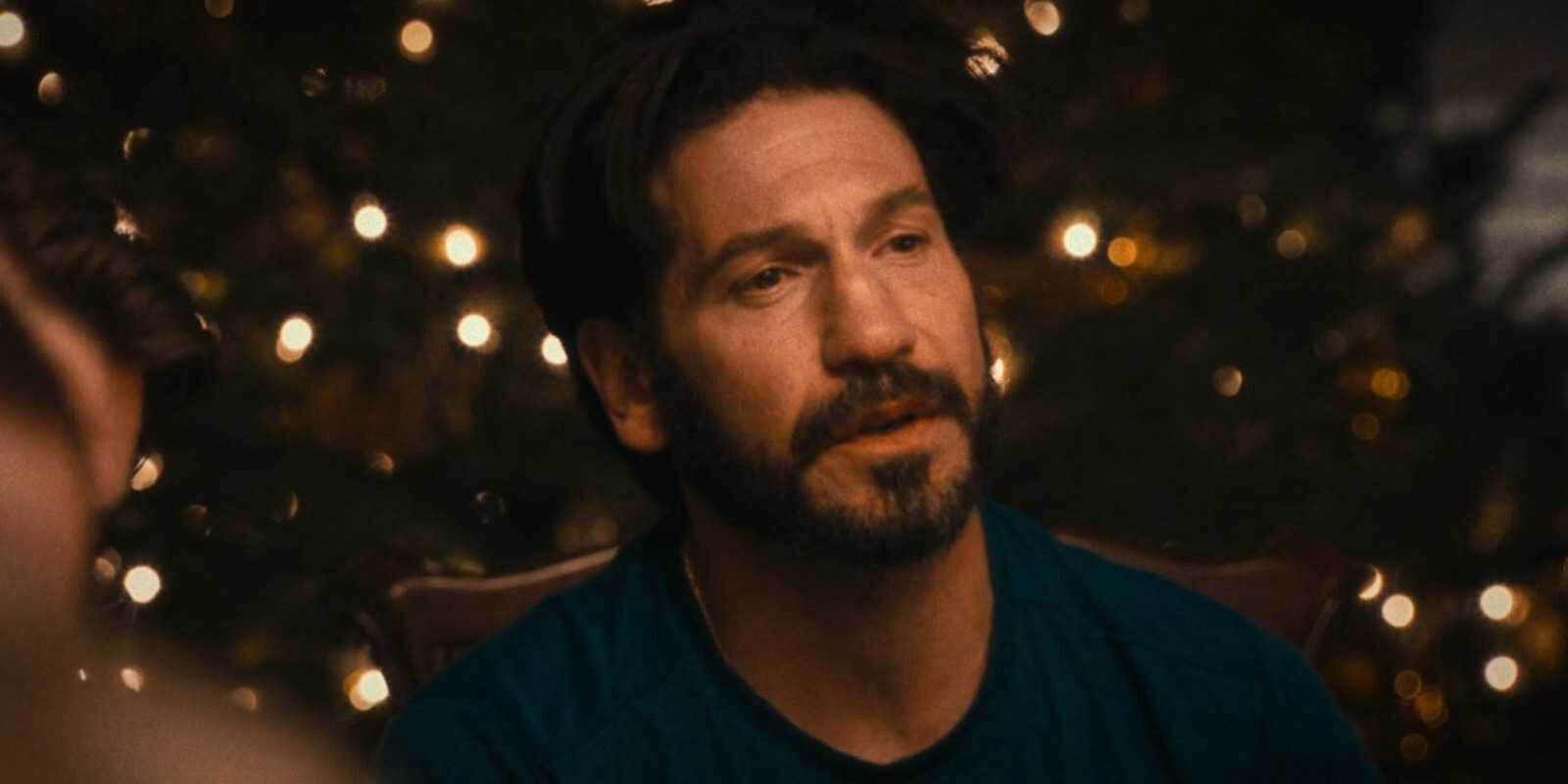
Somewhere in the chaos, Michelle (Sarah Paulson), a cousin of the Berzatto siblings, tells a story about arguing with a woman over her last name. The argument somehow detoured into a lecture on bears.
The woman described bears as “kind … sensitive … devoted … altruistic and empathetic and very commonly known to be adept at grieving.”
Richie, who isn’t technically a Berzatto and has never let that stop him, said that “checks out” and added that “bears are incredibly, incredibly aggressive.”
Both halves apply. You can find them in nearly every member of that family, and you can find them stacked on top of each other in Carmy specifically. He’s the one carrying the nickname, and he’s the one who keeps failing at the grieving part.
His relationship with Mikey had rotted in the years before Mikey’s death. That’s the wound. The title, read this way, is a diagnosis of an entire bloodline through its animal counterpart.
Chicago is in the name too
This one’s quieter, and it’s about geography.
The Bear is set in Chicago, films in Chicago, and treats the River North neighborhood as load-bearing to its identity. The exterior shots of the city function almost like a cast member, the way New York does in Sex and the City.
Season 1, episode 7 makes it explicit. It opens with Sufjan Stevens’ “Chicago” and plays as a visual tribute to the city it’s named for.
Then there’s the sports. Chicago teams get name-dropped casually throughout the series, the Chicago Bears among them. In a flashback in season 1, episode 6, Sugar wears a Bears shirt while Mikey tells a story about the city.
Given how much of the show’s DNA is Chicago, the title doubling as a nod to the city tracks.
The restaurant was a gift, drawn on a door
Season 1 ends with Carmy using the money Mikey left behind to reimagine a failing sandwich shop as something high-end. The Beef becomes The Bear. It’s a business decision and a grief decision at the same time, and season 2 spent its entire run building the thing.
But the Christmas episode shows you where the idea started.
In a flashback, a younger Carmy hands Mikey a framed set of plans for the dream restaurant he wanted to run with his brother someday. Drawn on the door of that restaurant: a bear. The eventual name, sure. Also a picture of what the two of them were to each other.
Mikey told him to “let it rip,” his way of saying he believed in him. He used the same phrase in his final letter to Carmy, and that letter is what pushed Carmy to finally convert The Beef into the restaurant they’d talked about.
Privately, Mikey broke down crying over the gift. Early evidence that he already understood his presence around Carmy could only do damage, which is why he kept the distance he kept.
All Carmy ever wanted was his brother’s support and love. He got it. He got it in a letter.
Carmy is the bear in the cage
Back to the bridge.
The animal in that dream isn’t the restaurant. It isn’t the ambition, and it isn’t the family. It’s Carmy. Carmy “Bear” Berzatto, looking at himself and opening the latch.
The location matters more than it first appears. Carmy releases the bear on the same bridge where Mikey killed himself. That death is the only reason he came back to Chicago after years gone.
His tattoos tell you how much the city means to him. His behavior tells you how much he resents the circumstances that dragged him home. Hence, maybe, a furious animal.
Literally, he’s letting the bear out. Underneath that, Mikey’s death forced him to make peace with the person he’d abandoned when he left town, and possibly to become him again. Surviving the culinary world meant shoving parts of himself down. Running The Beef let them back up, for better or worse.
The premise sounds tidy on paper. A young, award-winning chef de cuisine walks away from a Michelin star restaurant in New York City, returns to his hometown, and takes over the Italian beef sandwich shop his late brother left him. He clashes with the staff over his training. He fights to keep the place from collapsing.
None of that prepares you for the sign.
By the end of season 1, Carmy has started to accept the bear inside him, which is what makes the three words he hangs out front land the way they do: “THE BEAR IS COMING.”




[…] enough to circle and big enough to keep finding things. I shook plum trees. I gathered plums. I met a bear named Mobai and learned to make his special tea, whose key ingredient is, of course, […]