

Nine years after the events of Fallout 4, a woman in a blue jumpsuit crawls out of a hole in the ground and discovers that everyone up there is worse than the stories said.
That’s the opening move of the best video game adaptation anyone has made, and it belongs to Prime Video.
Fallout pulls off something the genre spent decades failing at. It borrows the Arcane playbook and the The Last of Us playbook at the same time, then does something neither of those shows tried.
The genre stopped being a punchline a while ago
Gangs of London, Twisted Metal, Castlevania, Arcane, The Last of Us. That’s not a list of curiosities anymore. That’s a run of shows that earned mainstream audiences and critical respect on the same night.
Arcane went so far as to carry one of the biggest TV budgets of all time, dwarfing what HBO once spent setting the record on Boardwalk Empire. Netflix got its money back and then some. The League of Legends show became one of the most successful series the platform has produced.
Henry Cavill’s upcoming Warhammer 40,000 adaptation is trying to do for tabletop what these shows did for consoles. The path is already paved.

The trick is refusing to adapt the plot
Here’s the part most adaptations get wrong. Fallout, like Arcane, doesn’t put the games on screen. It tells an original story inside the same universe and lets the lore do the heavy lifting underneath.
The Fallout game series goes back to 1997. It took until 2024 for a live-action version to land, and the wait bought the show a specific advantage: room.
The games take place between 2102 and 2287. The show is set in 2296, which makes it the most recent chronological entry in the entire franchise. Fallout 4 happens nine years before it. So Lucy’s story gets to walk into genuinely new territory without pretending the previous 27 years didn’t happen.
Ella Purnell in a jumpsuit, Walton Goggins with no nose
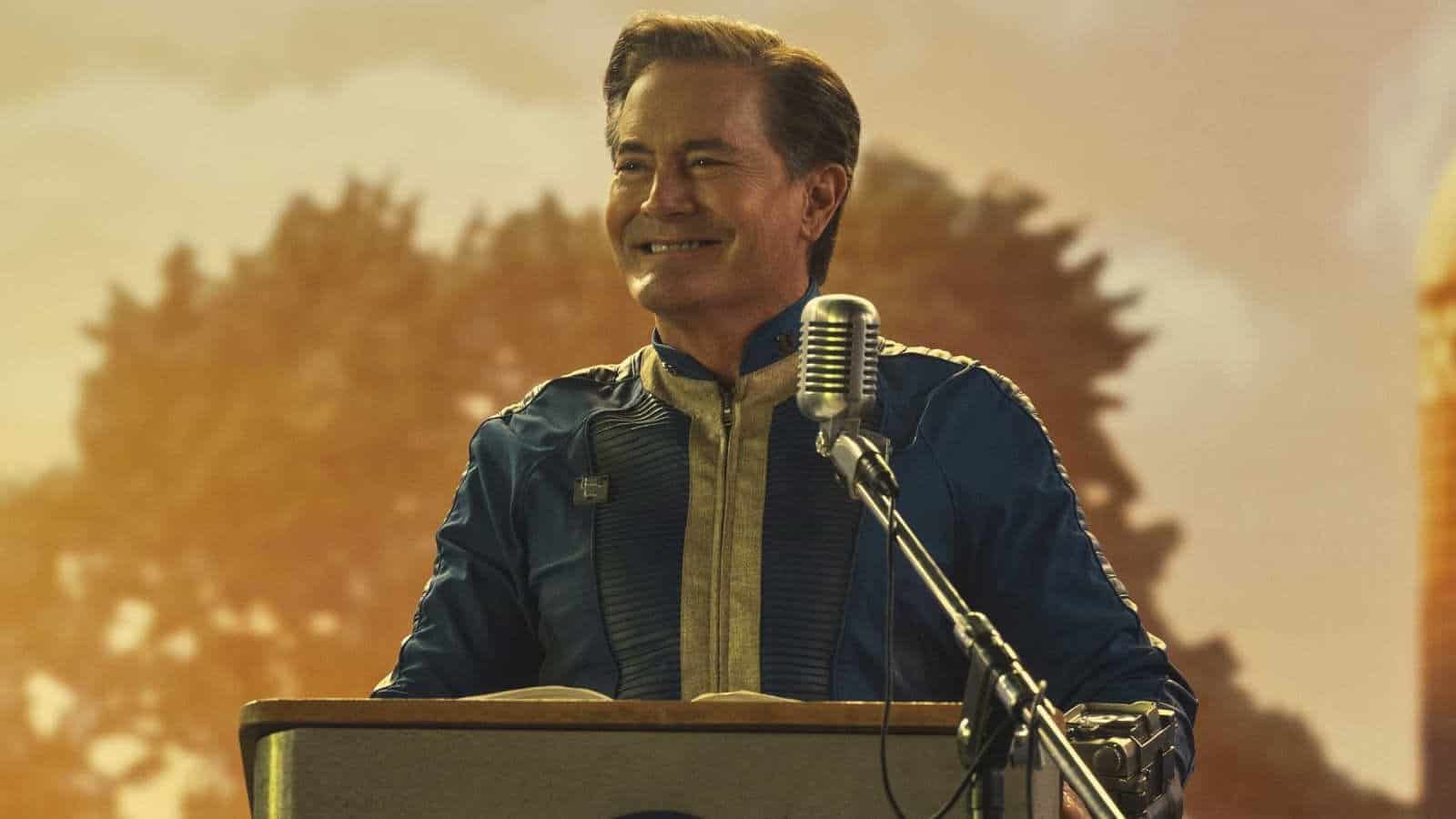
Purnell plays Lucy. Walton Goggins plays The Ghoul. The show is set long after the Great War of 2077, with most of the human population already gone and survivors mostly living in Vaults, the fallout bunkers that give the series its name.
Jonathan Nolan executive produces, and you can feel Westworld in the DNA. The central story is a Mystery Box built to be addictive and unpredictable, and it works because the writers weren’t boxed in by a plot the audience already finished twice.
Prestige money, spent on the right things
The other half of the formula comes from The Last of Us. Fallout took the Prestige TV route: an A-list cast, expensive production values, the whole apparatus that makes a show feel like an event before anyone’s seen a frame.
Compare it to Nolan’s earlier sci-fi police procedural Person of Interest and the difference is money and structure. Fallout is glossier, and it ditches network TV’s long seasons for fewer episodes with more action per hour.
The cast is absurd. Purnell, Aaron Moten and Goggins, joined by Kyle MacLachlan, Zach Cherry, Justin Theroux, Matt Berry, Natasha Henstridge and Macaulay Culkin. That lineup would carry a show with half these ideas.
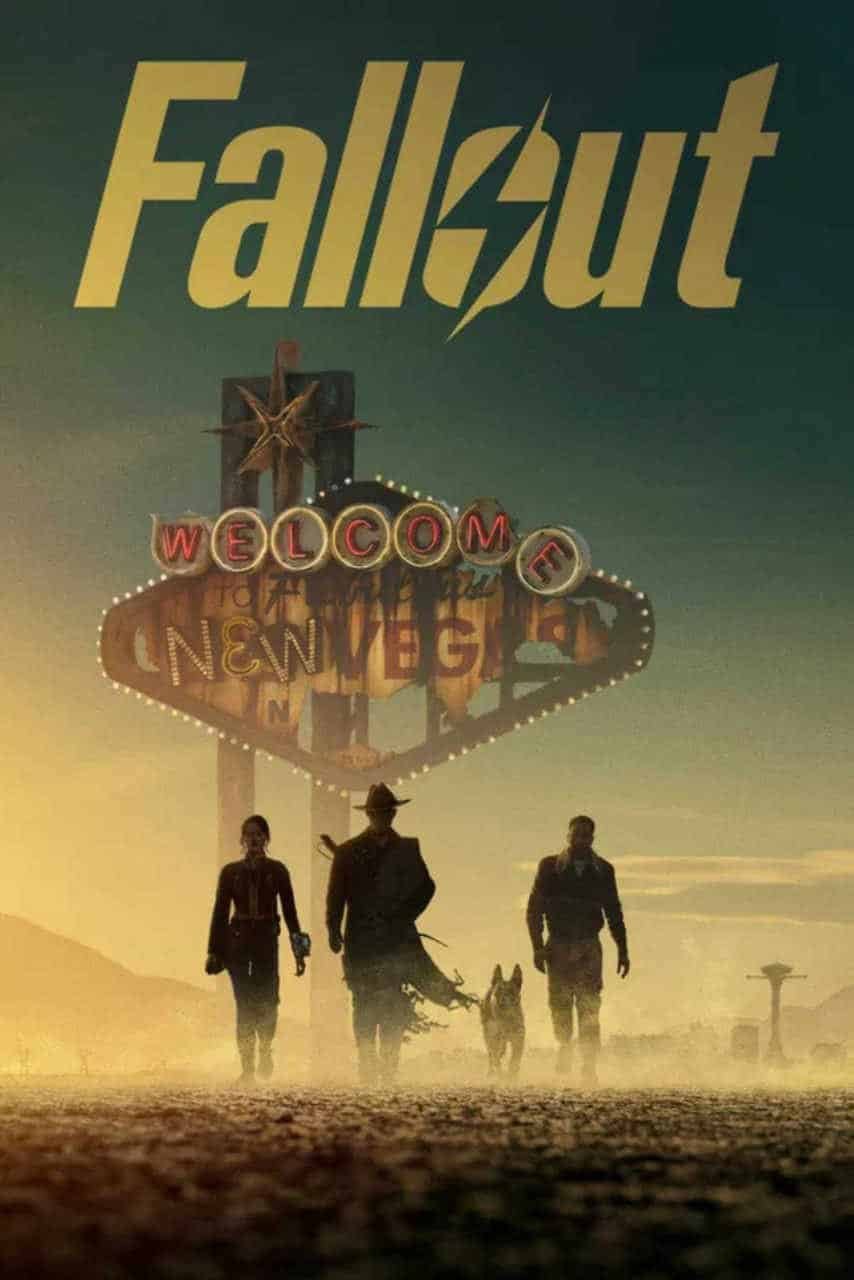
Why it beats the shows it learned from
What separates Fallout is the tone. The humor is genuinely dark, the characters are cartoonish and complicated at once, and the show never asks you to feel bad about enjoying the violence.
Two seasons in, the combination of high production values, an original story built on franchise lore and that cast is enough. Arcane and The Last of Us cleared the road. Fallout is the one driving down it.
The Ghoul, meanwhile, hasn’t apologized to anyone.