
A Jedi turns to the dark side, and her green blade goes red while she’s still holding it. No ritual. No crystal swap. No blood. Just a weapon that tells on her in real time.
That’s the new lightsaber in The Ninth Jedi, the Star Wars: Visions spinoff, and it breaks the oldest unwritten rule the franchise has about its most famous prop.

Lightsabers have changed plenty. Their color hasn’t.
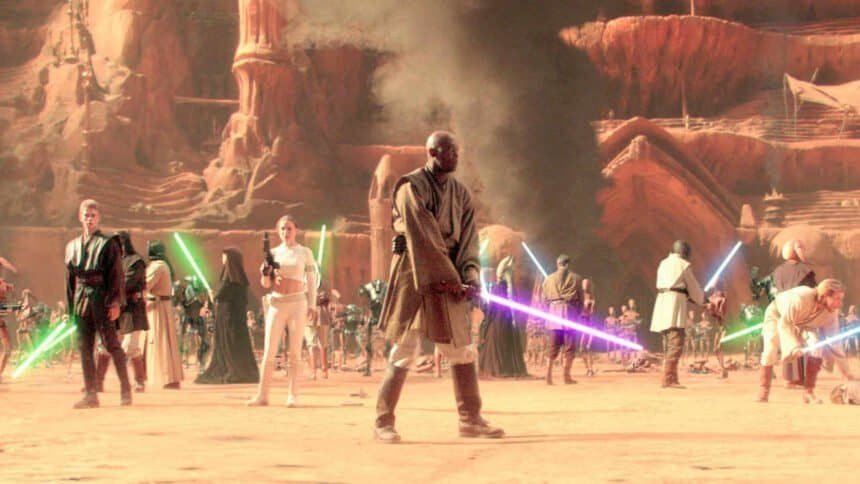
Luke ignited the first one in 1977, and for nearly half a century the tech behind them has kept mutating: rotoscoping, then CGI, then practical LED-powered blades you can actually swing on set. In-universe, we’ve been handed kyber crystals, Darth Maul’s double blade, formal fighting forms, new colors.
What nobody touched was the basic contract. A lightsaber has a set color. It did in 1977 and it does now.
Canon does allow a change, but it makes you work for it. You bleed a kyber crystal red by pouring hatred and usually blood into it, or you purify a red crystal back to white. Both take deliberate effort. Neither happens because you had a bad day.
Lah Zhima’s crystals pick a side for you
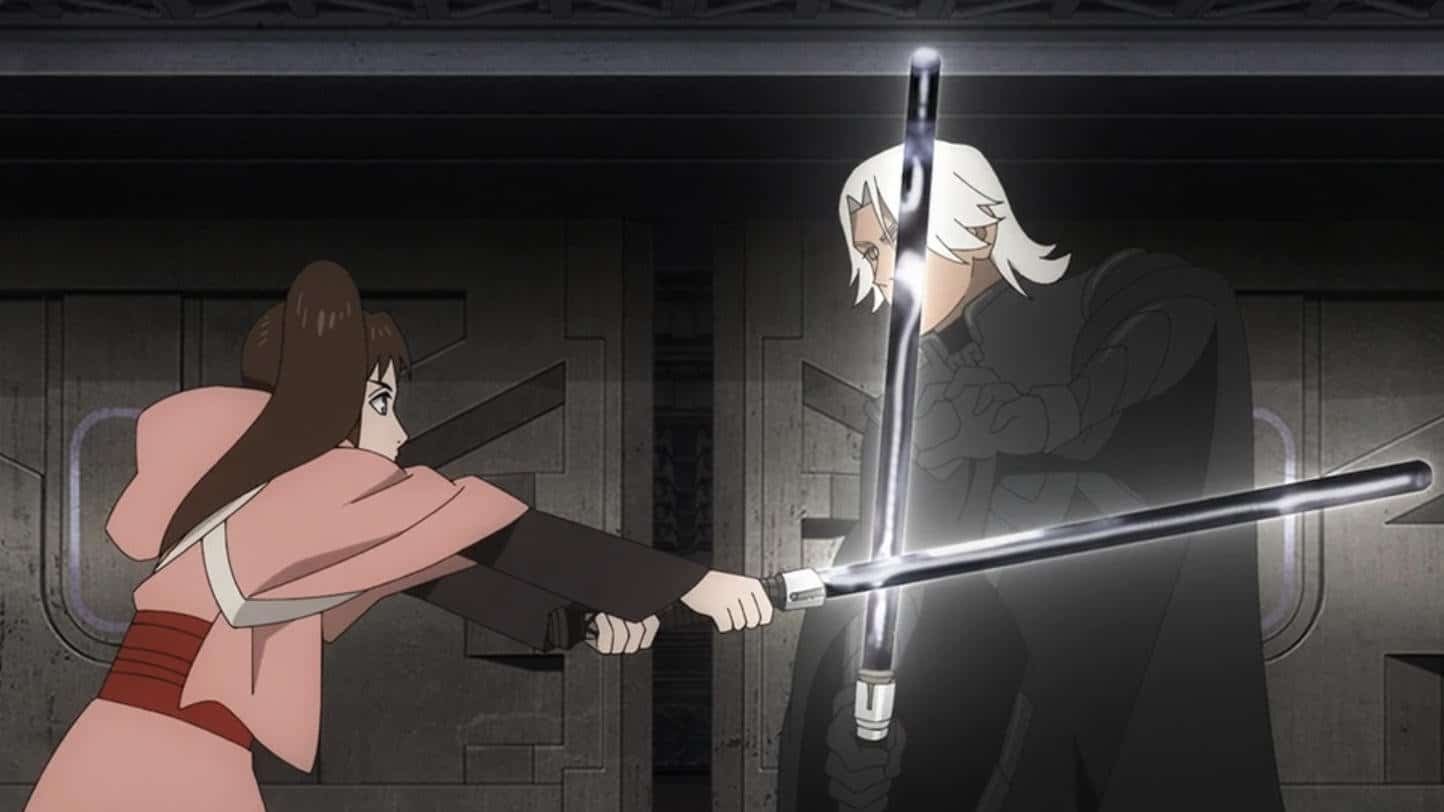
In The Ninth Jedi, blades crafted by Lah Zhima carry kyber crystals that attune themselves to whoever picks them up. Automatically.
A Sith grips one and it burns red. A Jedi gets blue, green or purple. When Lah Kara is seduced by the dark side, her blade slides from green to red as it happens, tracking her emotional state like a readout. The show even works in silver blades for emotional clarity and emptiness.
So yes, a mood ring. A mood ring that can out a Sith standing in the room with you, or mark the exact second a character starts to rot.
Before you draft the angry post: it isn’t canon
The Ninth Jedi, along with its Visions prequel episodes, sits in a standalone continuity. It isn’t a retcon. It’s a hypothetical, and the whole story is built on top of it.
Which is the part worth appreciating. The show uses the gimmick thematically rather than as a toy, and nothing about it obligates the main timeline to follow. No lore crisis. Just a good idea somebody was finally allowed to run with.
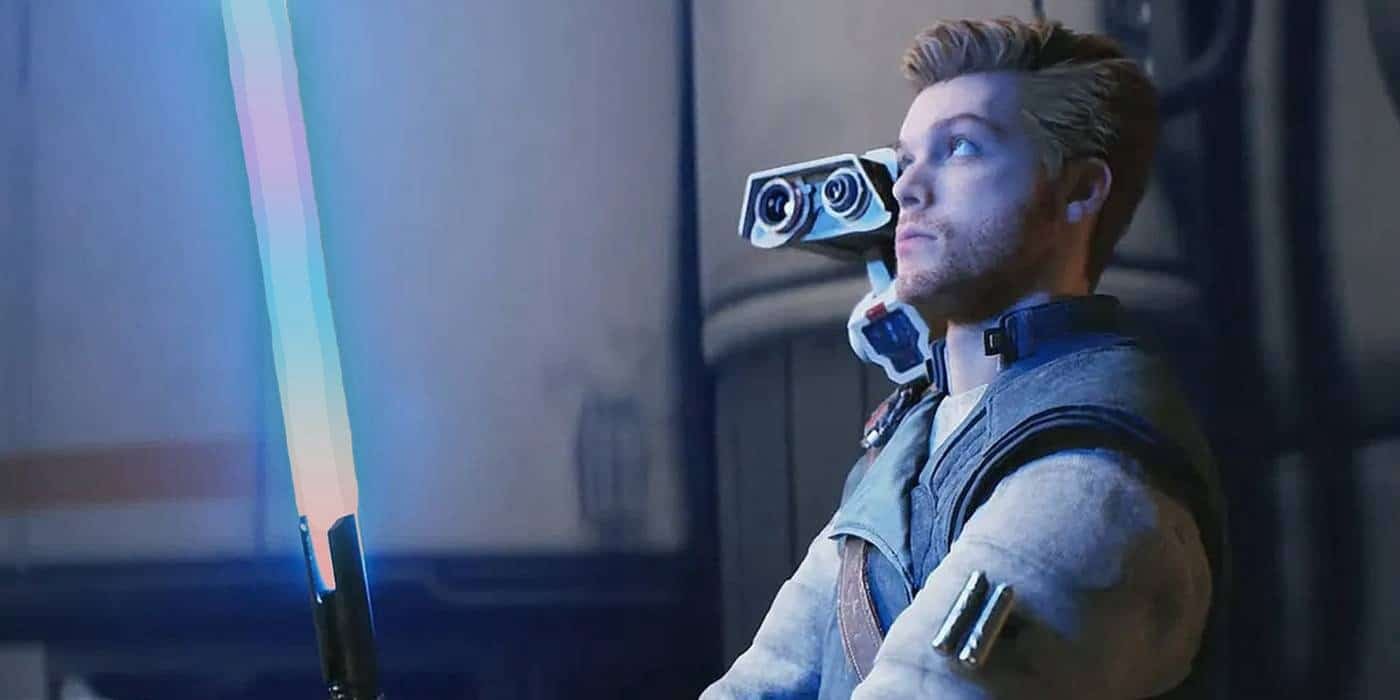
Cal Kestis got there first, sort of
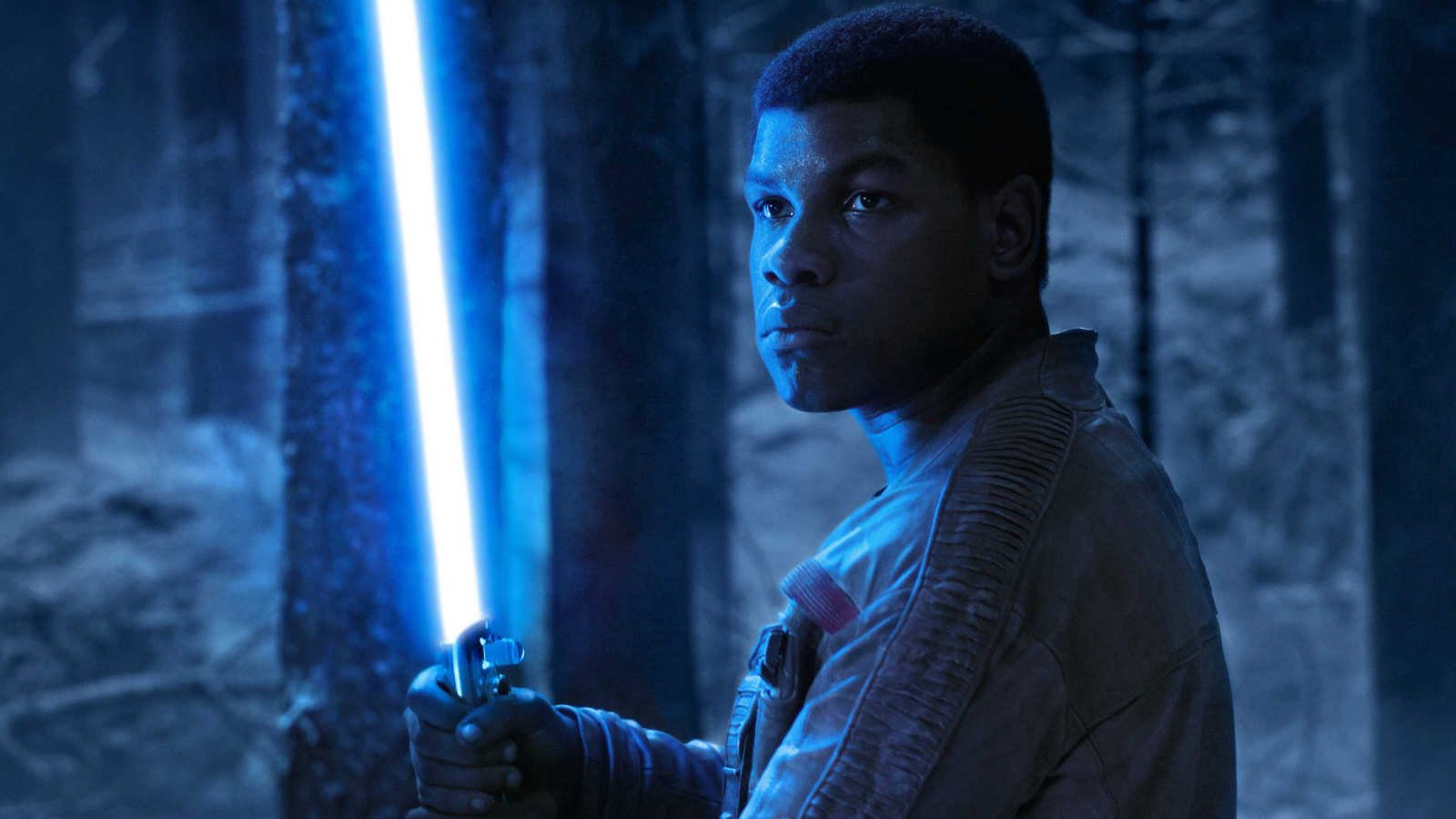
Color-shifting blades aren’t brand new. Star Wars Jedi: Fallen Order lets Cal Kestis decide what color his new kyber crystal becomes by refracting light through it, and Jedi: Survivor goes further with a “party mode” that cycles through available colors every time he swings.
Both games heavily imply he can't do any of that at will. It’s a player toy. In canon Cal’s lightsaber is blue and stays blue the whole way through.
The difference is what the color does. Cal’s customization has zero effect on either game’s story. Lah Kara’s shifting blade is load-bearing for hers, for how she comes to understand the Force and for how she beats Nawaam.
What’s still coming
Ahsoka season two lands January 20, 2027, and Star Wars: Starfighter follows May 28, 2027. After that the schedule goes vague: Maul – Shadow Lord season two, New Jedi Order, Simon Kinberg’s trilogy, Dawn of the Jedi and Star Wars: Visions season four are all TBA.
Which leaves The Ninth Jedi alone. It’s the only Star Wars story, canon or not, where a blade changing color actually matters to the plot. Everywhere else it’s a menu option.