

In Brief:
- Nexon’s Nexpace pivots from operating MapleStory N to establishing MapleStory Universe as a platform for third-party development.
- The VIBE IP system aims to streamline IP access, integrating AI tools and automated licensing for developers.
- Nexpace commits up to $50 million in ecosystem funding, seeking to enable broader access to its IP without compromising control.
Nexpace shifts focus to third-party development
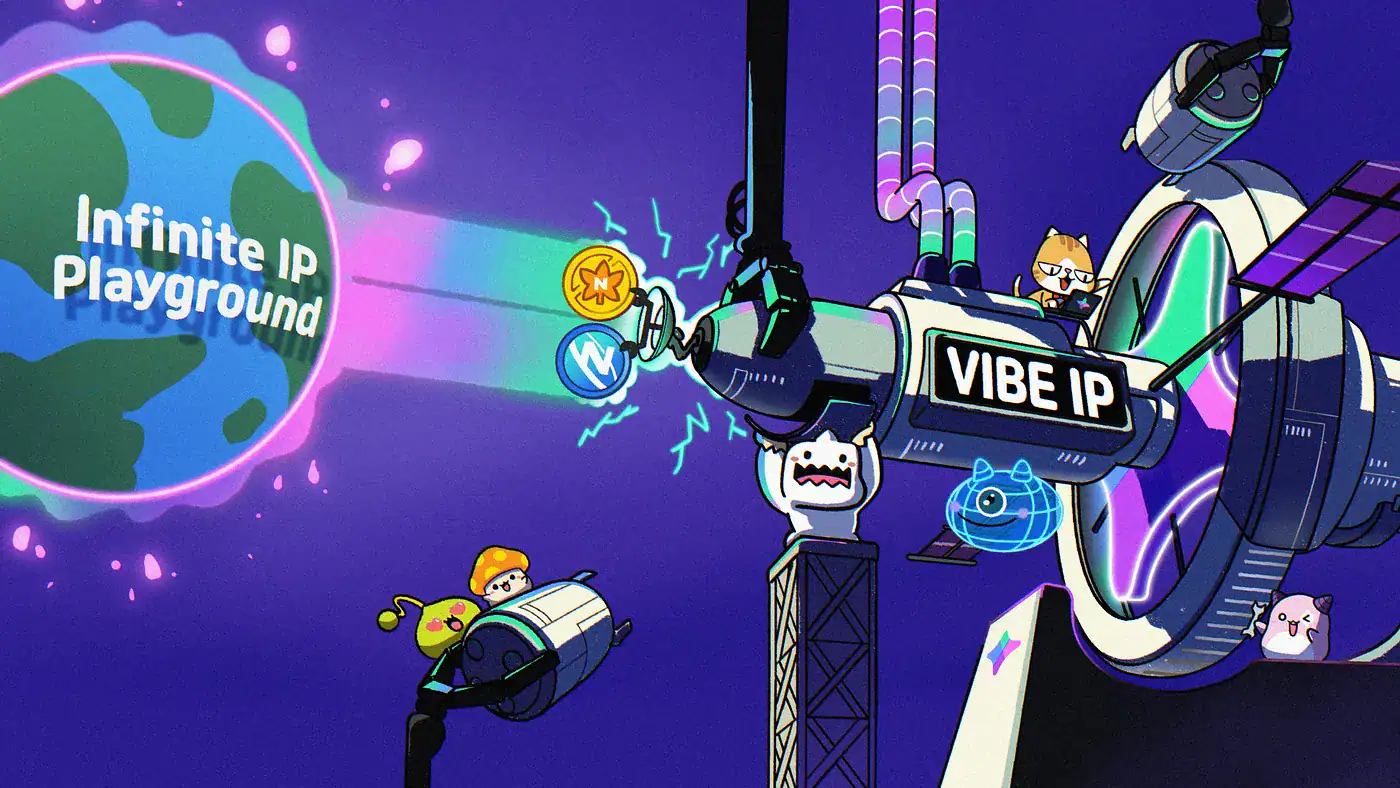
Nexon’s web3 arm Nexpace is repositioning MapleStory Universe as a development platform after a successful year with MapleStory N. The initiative, branded MSU 2.0, integrates VIBE IP, which combines intellectual property, AI-driven creation tools, and on-chain licensing to facilitate third-party development.
VIBE IP addresses a long-standing challenge in game IP management: allowing external developers to utilize MapleStory characters and assets while maintaining control and reducing legal complexity. By structuring access to the MapleStory universe, developers can leverage data, gameplay elements, and creation assets without extensive licensing hurdles.
Developers can earn revenue through smart contracts without needing prior approval or a formal business setup. The protocols handle commercial terms automatically, making it easier for creators to launch projects built on MapleStory IP.
Nexpace is intentionally aiming for a low-friction model, finding a balance between strict legal barriers and overly permissive frameworks. If successful, MapleStory could become a foundation for a variety of external projects, moving beyond a mere product.
CEO Sun Young Hwang underscored the ambition, saying, “I know this may sound ambitious, but I hope to see builders generate more revenue from MapleStory IP than Nexpace itself.” In 2025, Nexpace reported $31 million in revenue generated by MapleStory Universe.
This model positions Nexpace closer to a protocol operator, earning from the activities it enables rather than producing content directly. To support this shift, Nexpace has allocated up to $50 million in funding for builder-led projects focusing on AI tools and creator economies. The effectiveness of this funding remains to be seen.
MSU connects to Verse8, an AI tool that Nexpace strategically invested in to enhance the creation of derivative content. While Verse8 is not fully developed as a distribution channel, it aims to facilitate the transformation of MapleStory IP into playable experiences.
The actual integration details are sparse, but the goal is clear: Nexpace hopes to attract not only professional developers but also aspiring creators by lowering the barriers to participation.
The primary test for VIBE IP lies not in attracting developers—ecosystem funds can achieve that—but in whether programmatic IP access can redefine the economics of fan-generated content in gaming. Major IP holders like Nintendo and Sony face immense demand for creative collaboration that typically goes unaddressed.
VIBE IP represents Nexpace’s effort to convert this challenge into a structural solution. Should it succeed in maintaining the integrity of the MapleStory brand while providing frictionless access, the model could influence practices beyond the realm of blockchain gaming.