
In Brief
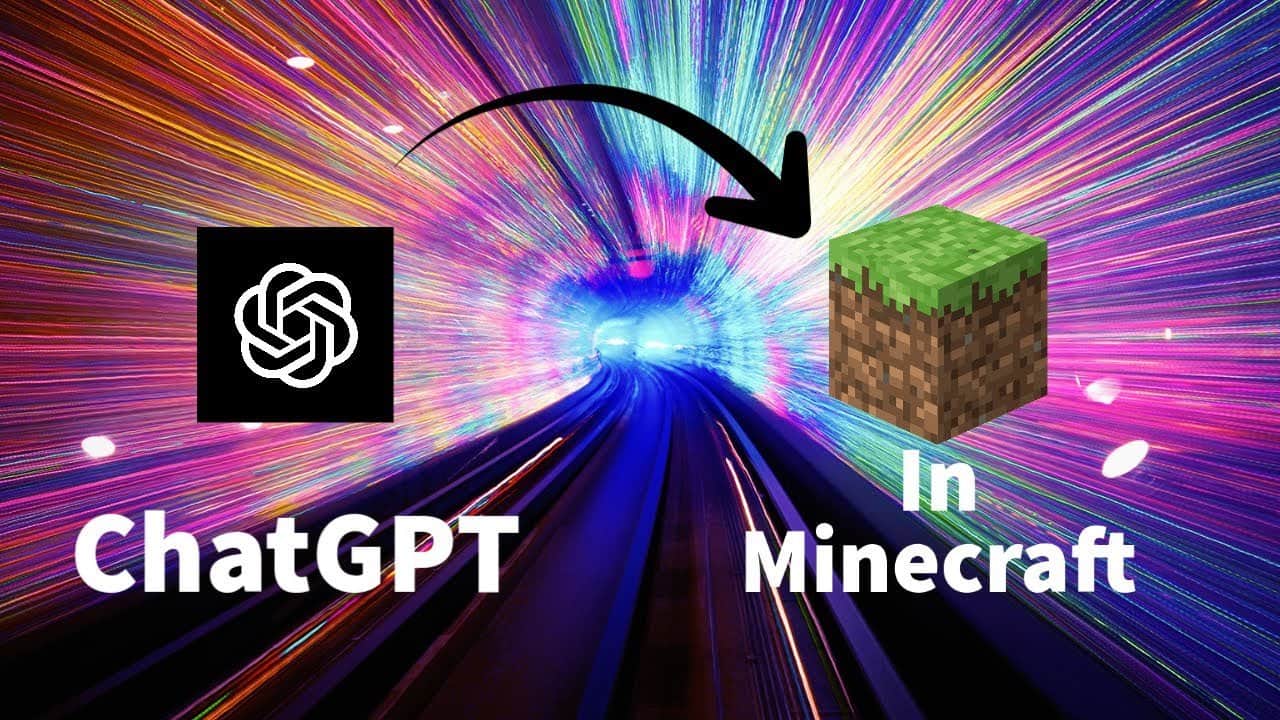
- A Minecraft enthusiast has created a working GPT-style chatbot using only the game’s redstone circuitry, without the use of command blocks or mods.
- The computational model inside Minecraft contains about 5,087,280 parameters and took several months to construct, covering an area of roughly 439 million blocks.
- Despite being a slow processor, with responses potentially taking up to nine years at Minecraft’s normal speed, the project showcases the versatility and universality of computation.
Redstone as a Computational Tool
Over the weekend, a remarkable technological implementation was introduced into the world of Minecraft. A GPT-style language-model inference engine was developed using the game’s redstone components, known for emulating digital behavior such as power flow, logic operations, and signal delays, traditionally used for creating everything from simple switches to complex processing units like calculators and memory systems.
Technical Details and Construction
The project’s creator, known as Sammyuri, constructed the AI using a trained external language model based on the TinyChat dataset. This model features 5,087,280 parameters, an embedding dimension of 240, and utilizes six layers to facilitate interaction, all within a context window of 64 tokens. Notably, the model maintains precision by quantizing most weights to 8 bits while employing higher precision for embedding and LayerNorm weights.
In the virtual space of Minecraft, the physical structure spans an area of approximately 1,020 × 260 × 1,656 blocks, totaling around 439 million blocks. The creator used the Distant Horizons mod for visualizing these colossal structures within the game’s vast environment. The computational process involves sophisticated operations performed by sequences of redstone circuits, including embedding lookup, feedforward passes, matrix multiplication, and softmax approximations, painstakingly assembled over several months.
Processing Speed and Utility
Despite its intricate craftsmanship, the engine operates at a pace that is impractical for regular use. Even with an increased simulated tick rate which accelerates the game’s internal clock by approximately 40,000 times the normal speed, generating a response from the system still takes several hours. Under normal conditions, computations could take more than nine years to complete a single task, highlighting a significant performance tradeoff despite the technical achievement.
Cultural and Educational Impact
This creation transcends mere gameplay, functioning as a demonstration of how neural computation can be adapted to unconventional platforms—a literal game-changer that challenges preconceived limits of where and how computational processes can be executed. It’s an exploration into the universality of computation, suggesting potential applications in other unconventional substrates like optics, DNA, or mechanical systems. The build has sparked discussions across various online platforms, ranging from the technical intricacies involved to philosophical debates about the nature and future of computation.
Conclusion
While the project might not serve practical computational needs, its significance lies in its ability to incite discussion and inspire curiosity. As a technical art piece, it serves as both a proof of concept and a conversation starter, ultimately proving that the realm of digital computation can extend far beyond traditional boundaries. This Minecraft model, slow as it may be, stands as a playful yet profound testament to the innovative spirit of gamers and technologists alike.