
Luffy stretches his arm across a pirate deck and grins like the whole ocean owes him money. That’s the tone. And it’s the reason Netflix’s live-action One Piece works on a scale nobody expected it to.
The show arrived in 2023, has two seasons out and a third on the way. It adapts Eiichiro Oda’s manga, which has run since 1997 and passed 1,175 chapters. Monkey D. Luffy, played by Iñaki Godoy, wants to be King of the Pirates. That’s the engine.
What Netflix actually did was stranger than a straight adaptation. It took the sweep of The Lord of the Rings and welded it to the pacing and mood of Cobra Kai, one of its own breakout hits. On paper those two shouldn’t touch. One is a medieval fantasy epic. The other is about rival dojos in LA.
Middle-earth scale, dojo energy
Oda’s pirate world is enormous and crowded, stuffed with places and people whose backstories are more worked out than the leads of weaker fantasy shows. Same instinct as Tolkien. From the Shire to Mordor, Tolkien built a world with a real sense of history, and Peter Jackson put that scale on screen with an ambition that changed how fantasy films get made.
But One Piece doesn’t copy the earnestness. It brings Oda’s world into live action with the youthful vibrance that made Cobra Kai such a big win for the platform.
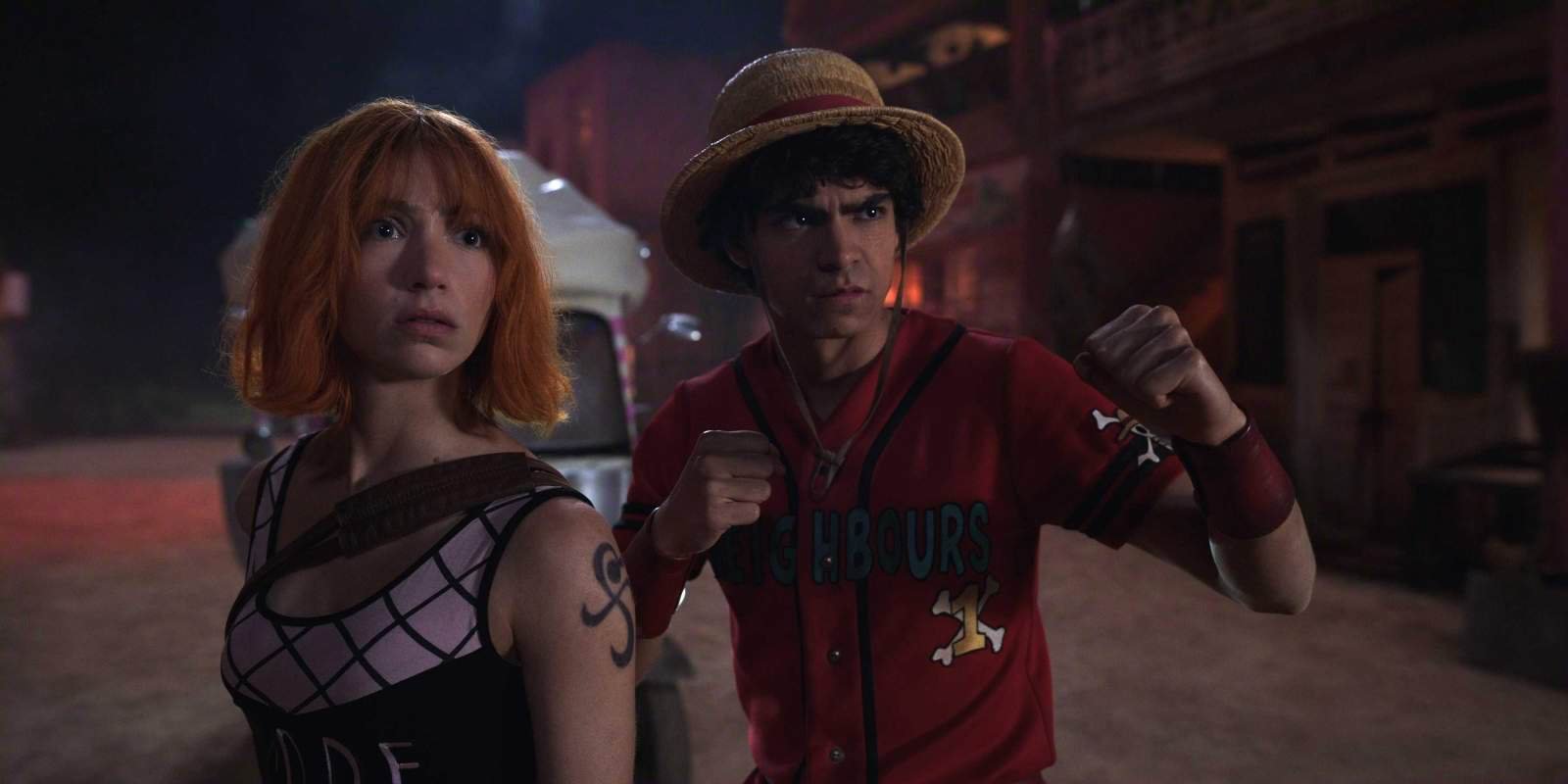
Luffy and the Straw Hat Pirates carry the same infectious enthusiasm into every fight that Miguel Diaz (Xolo Maridueña) and the young fighters bring to the mat. The show moves fast. It embraces comedy. It lets characters be emotionally expressive without cheapening what they’re chasing.
The seriousness problem
Here’s the honest case against Tolkien on screen. The Lord of the Rings is near-perfect and it takes itself very seriously. Devoted fans love exactly that. For a general viewer it can read as heavy, even off-putting, and it doesn’t give you the kinetic charge a lot of modern audiences want.
One Piece has comparable scale with a deliberately more colorful, playful atmosphere. Luffy’s journey has dangerous villains and real tragedy, same as Frodo’s. The difference is that it never forgets enjoyment comes first.
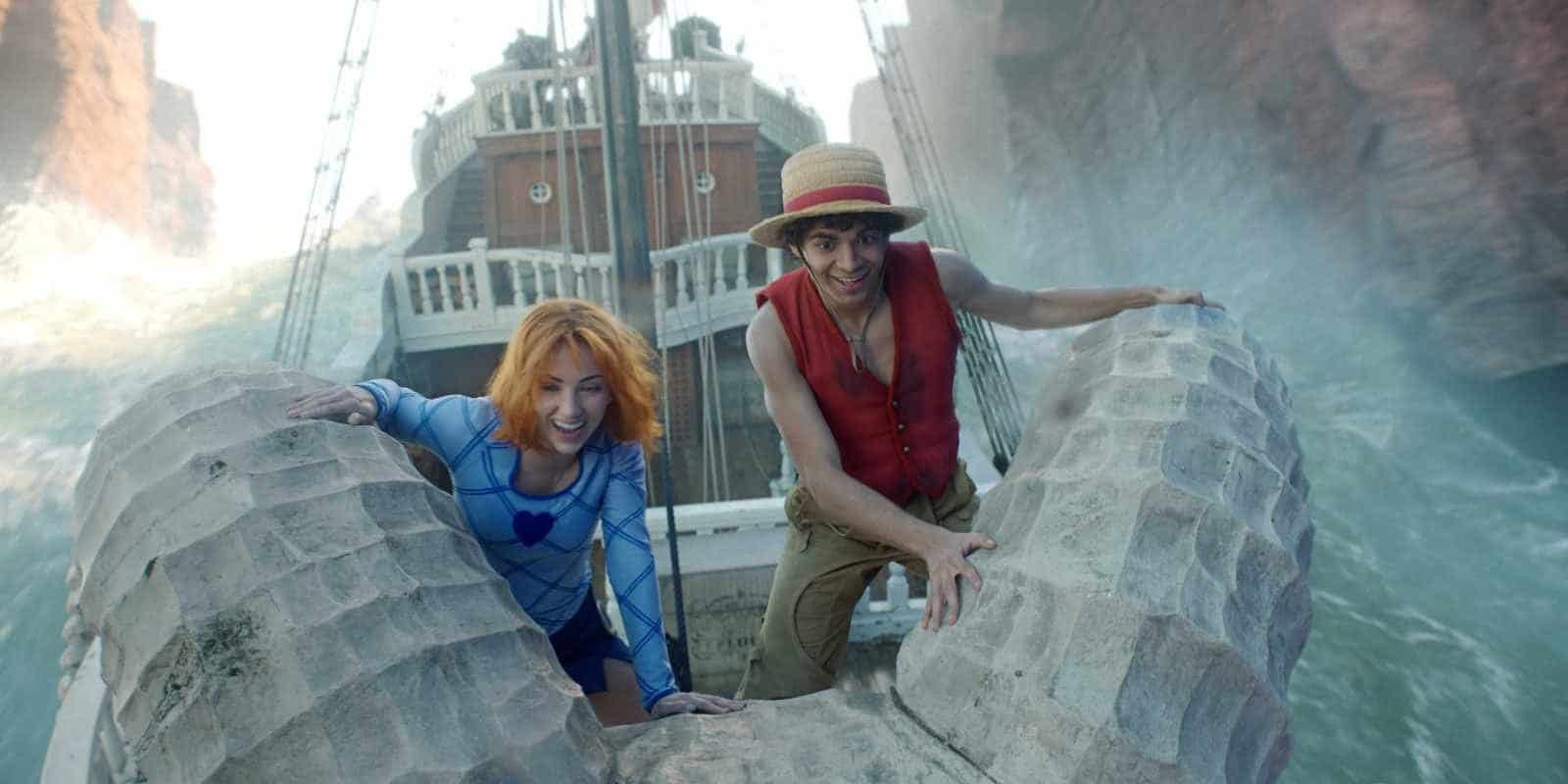
You get fantasy on a vast canvas without the intimidating weight that usually comes attached to world-building this big. Loud, funny, energetic, and still deep enough to hold up an epic adventure.
The manga label is doing damage
Plenty of traditional Western fantasy fans have written One Piece off for one reason: it started as a manga and got filed under anime fandom. If your reference points are Tolkien, George R.R. Martin, or standard swords-and-sorcery, those labels make Oda’s story feel like it belongs to some other category entirely.
That’s precisely why the live-action version matters. It strips the barrier away. You need zero knowledge of manga or anime to follow Luffy. You walk into a huge fantasy universe, meet the people in it, and the adventure keeps getting more ambitious.

The 21st century’s Middle-earth
There’s a real argument that One Piece is this century’s defining fantasy epic the way Tolkien’s Middle-earth defined the last one. The world is enormous. The mythology keeps expanding. The characters have grown across a story of extraordinary length. Few modern fantasy properties come close on ambition or cultural reach.
Skeptical? Start with the Netflix show. The Lord of the Rings is still the benchmark for traditional epic fantasy, but One Piece may be the most ambitious successor the genre has, and a live-action Luffy with a straw hat and a rubber arm turns out to be a very good front door.