
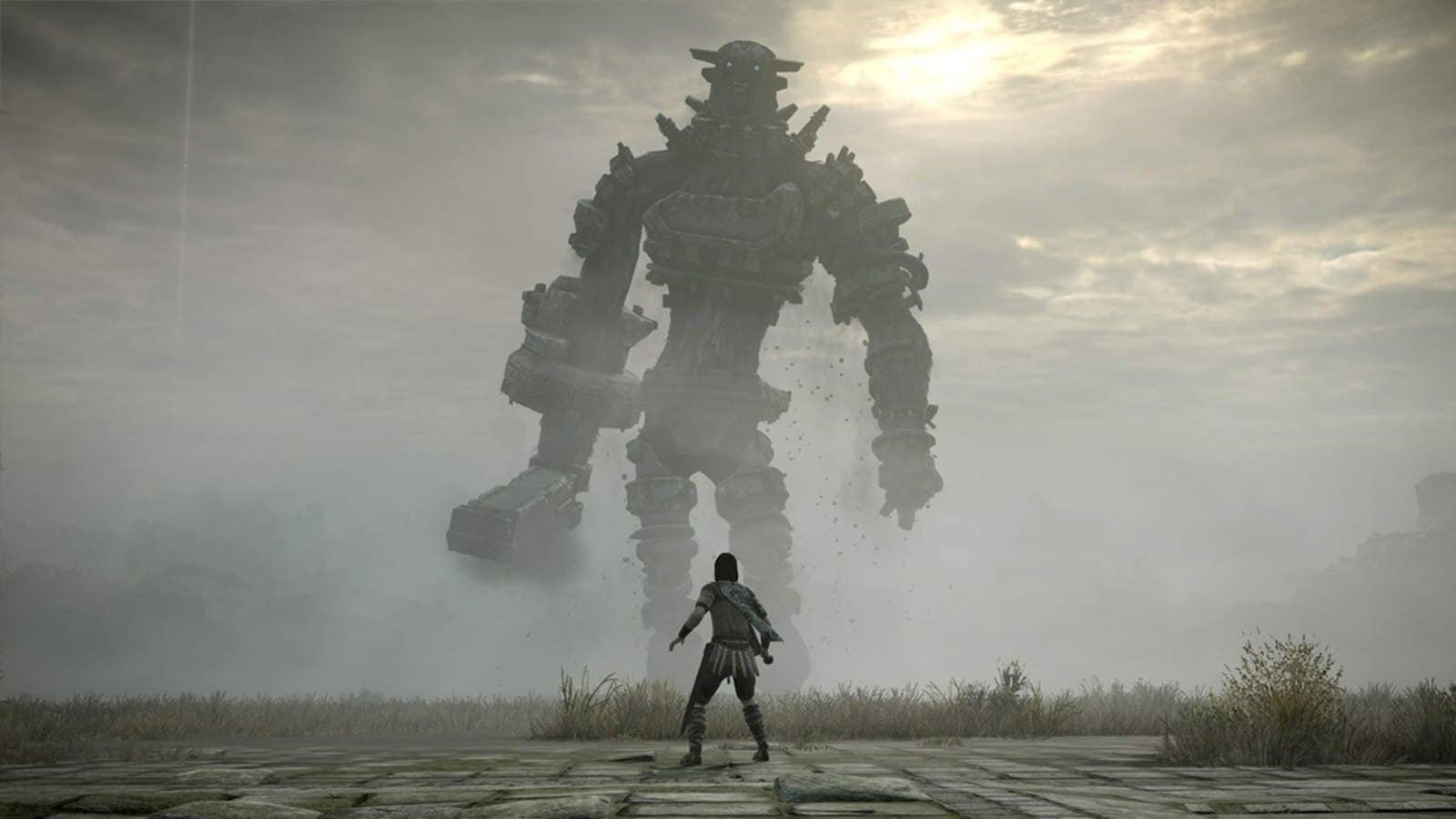
In 2005, a kid named Wanderer rode a horse across an empty plain looking for something the size of a cathedral to climb. No quest markers. No side content. Just grass, wind and a very large problem in the distance.
That’s Shadow of the Colossus, and it sits near the top of any honest list of PlayStation 2 open worlds. The game carries a 91 Metascore on Metacritic, and its scale and ambition fed directly into what Nintendo did with Zelda: Breath of the Wild. Speaking plainly, we probably don’t get Breath of the Wild without what Shadow of the Colossus did on the PS2.

You play Wanderer, who sets out into a vast open world to find the colossi and bring them down, all in an attempt to revive Mono. That’s the whole loop. It works.
Why the PS2 mattered for maps
The hardware jump from the first PlayStation gave developers room, and they used it on scale. Open-world maps ballooned, and with them came the kind of immersion where you’d lose an hour just moving through a place.
Several PS2 games changed gaming permanently. God of War. Resident Evil 4. Metal Gear Solid 3: Snake Eater. Grand Theft Auto 3. None of them is necessarily the best entry in its own franchise, and all of them rewrote the rules anyway.
We were still years out from the PS3 era and something like Skyrim. But the foundation got poured here.
Springfield, with a getaway car
The Simpsons: Hit and Run isn’t a masterpiece. It’s something better for our purposes: an open-world game people still talk about, 20-plus years on, to the point that a remake is in the works.
The 2003 game hands you a rotating cast of characters from the show. You walk around. You throw melee attacks. And mostly, you drive through Springfield, either carefully or like a maniac, with police showing up depending on which one you pick.
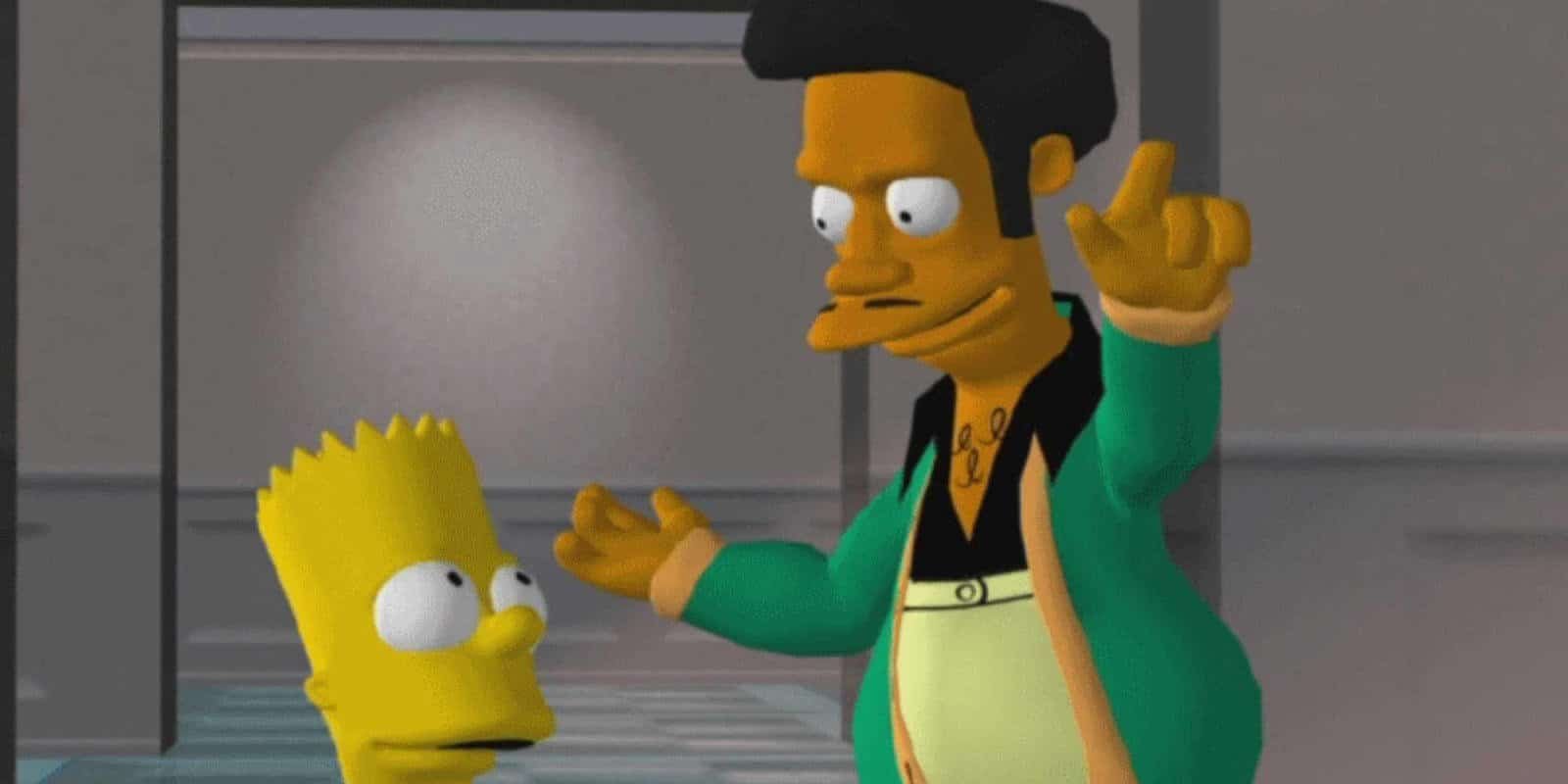
The comparison to Grand Theft Auto 3 has followed it forever, and it’s fair. The driving missions share the same bones.
Jak went dark and it worked
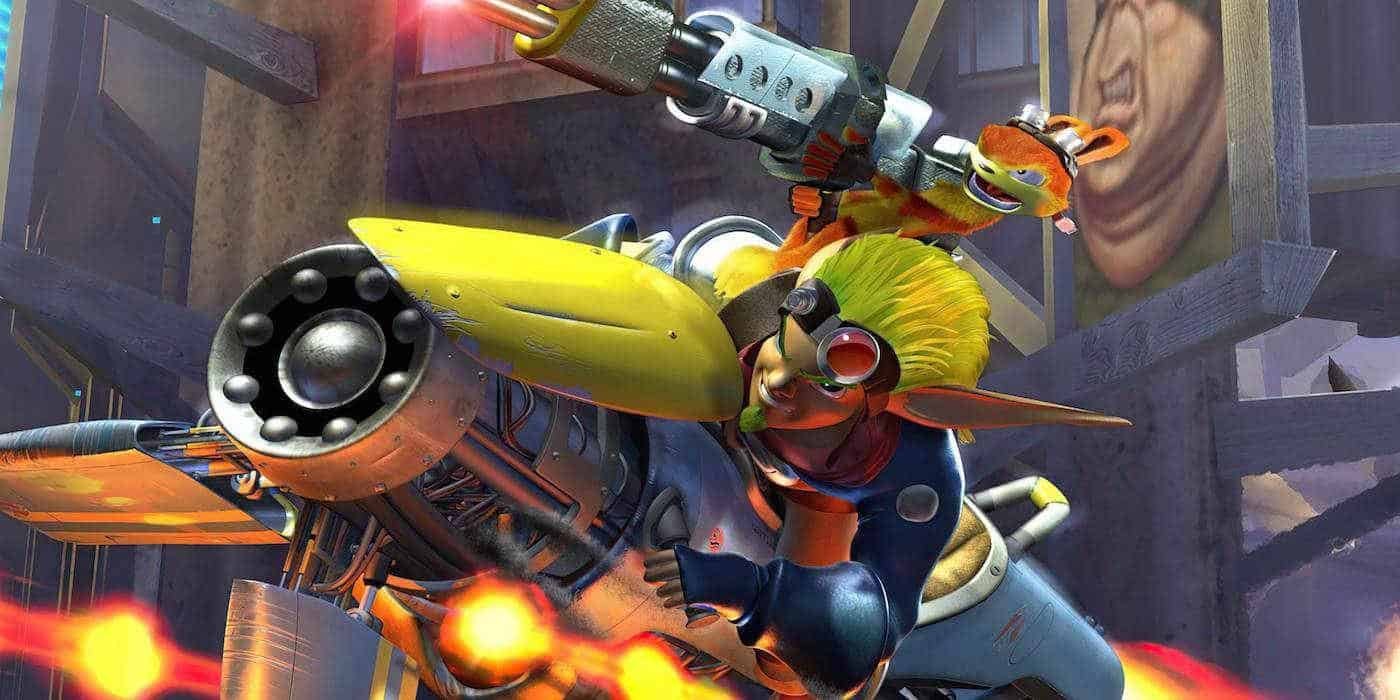
Jak 2 took the bright, upbeat world of Jak and Daxter and dragged it somewhere grimmer. Vehicles. Firearms. A meaner set of tools.
The Jak you control is older and murkier, corrupted by Dark Eco, able to flip into Dark Jak for extra melee power. He explores Haven City on his Jet-Board or in cars he steals. The mystical stuff from the original survives, Precursor Orbs and all, now planted in a steampunk world that’s hard to shake.
Rockstar’s best game is set in a high school
Bully came out in 2006 and put players inside Bullworth Academy as Jimmy Hopkins, a troublemaker whose goal is to end bullying at the school. Which means fighting bullies, and sometimes teachers.
The story runs in chapters and missions move you forward, but the school is yours to wander. Fans have been asking for a remake or a sequel for years. There are no official plans yet.
The web-slinging that everyone else copied
Spider-Man 2 arrived in 2004, built off Sam Raimi’s film, and it gave you Peter Parker in an open-world New York: Manhattan, Roosevelt Island, Ellis Island, Liberty Island.
The combat holds up, with enough variety that fights don’t blur together. The real draw is movement. Swinging is free, loose, generous with how far it lets you push. Spider-Man (2002) had already tried this. The sequel made it feel natural.
Bayview, no cops, all night
Need for Speed Underground 2 shipped in 2004 from Electronic Arts, an arcade racer set in Bayview that you’re free to drive around in cars you buy and tune with race winnings.
The story, a direct sequel to the first Underground, is not much. It exists to unlock races. What makes the city a pleasure to roam is the absence of police, unlike later entries such as Carbon. Players keep asking for a remake. EA has shown no signs of making one.
Kiryu’s cities are small and completely alive
Yakuza 2 landed in 2006, the second game in the series now known as Like a Dragon and a direct sequel to the first. You play former yakuza Kazuma Kiryu across a recreation of Shinjuku in Tokyo plus Dotonbori and Shinsekai in Osaka.
The story is dense and it’ll hold you for hours, even though this isn’t the longest game in the franchise. The districts are limited and nowhere near the size of what Spider-Man 2 offers. Doesn’t matter. Everything around Kiryu feels lived in.
Skating without a loading screen
Tony Hawk’s American Wasteland counts here, with interconnected open zones you move through freely. It was the first game in the series that let you cross the map without stopping, on a skateboard or a BMX.
The 2005 game’s structure changed what the franchise could be, and its recreation of Los Angeles was the largest map the series had built to that point.
A wolf, a paintbrush, and my favorite game on this list
Okami isn’t fully open-world, but it has open sections you can move through almost seamlessly. The 2006 Capcom game, developed by Clover Studio, casts you as the Shinto sun goddess Amaterasu in the form of a wolf.
It’s aged like fine wine and it’s arguably one of my favorite games ever, so take my enthusiasm with whatever grain of salt you need. Okami 2 has been announced with no release date. Until then, Nippon is still worth walking through, and still gorgeous.
The one that did everything at once
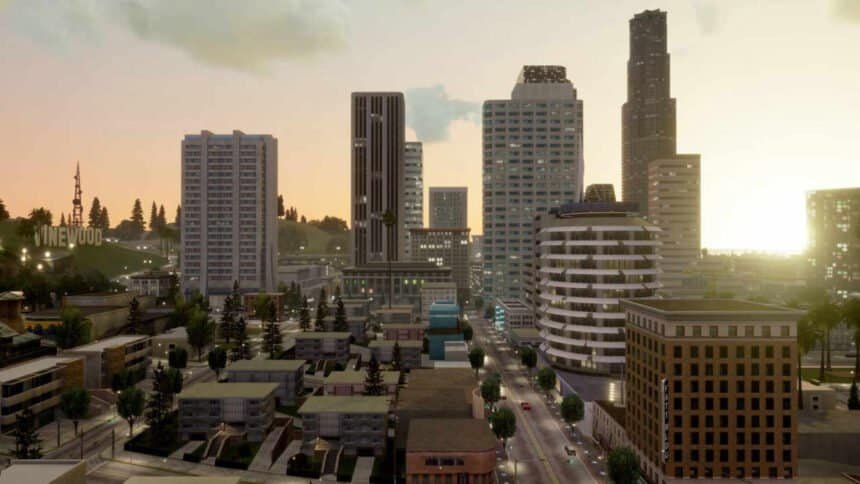
Grand Theft Auto: San Andreas may be the most impactful open-world game of the entire PS2 era. The series had been doing open worlds for years before 2004. San Andreas blew out what you could do inside one, across a seamless map covering Los Angeles, San Francisco and Las Vegas.
You’re CJ, moving through those cities with a wide spread of vehicles and weapons and a story that keeps pulling you between them. For a lot of people, that map is still the PlayStation 2, full stop.