
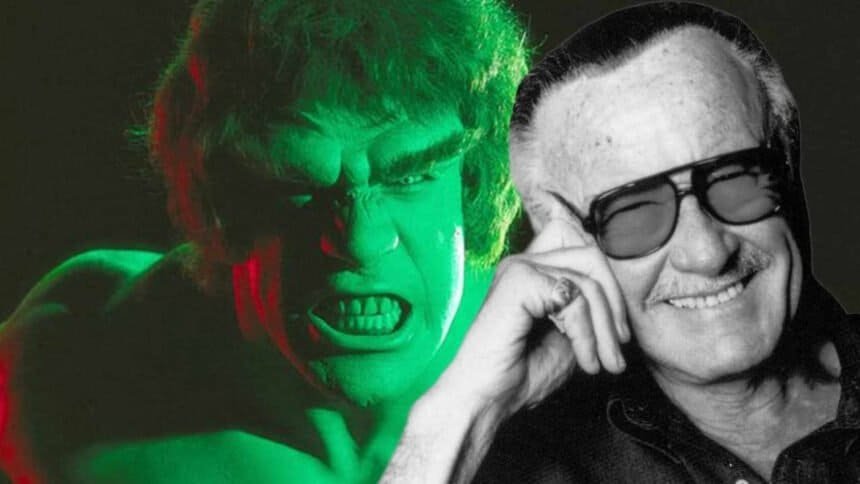
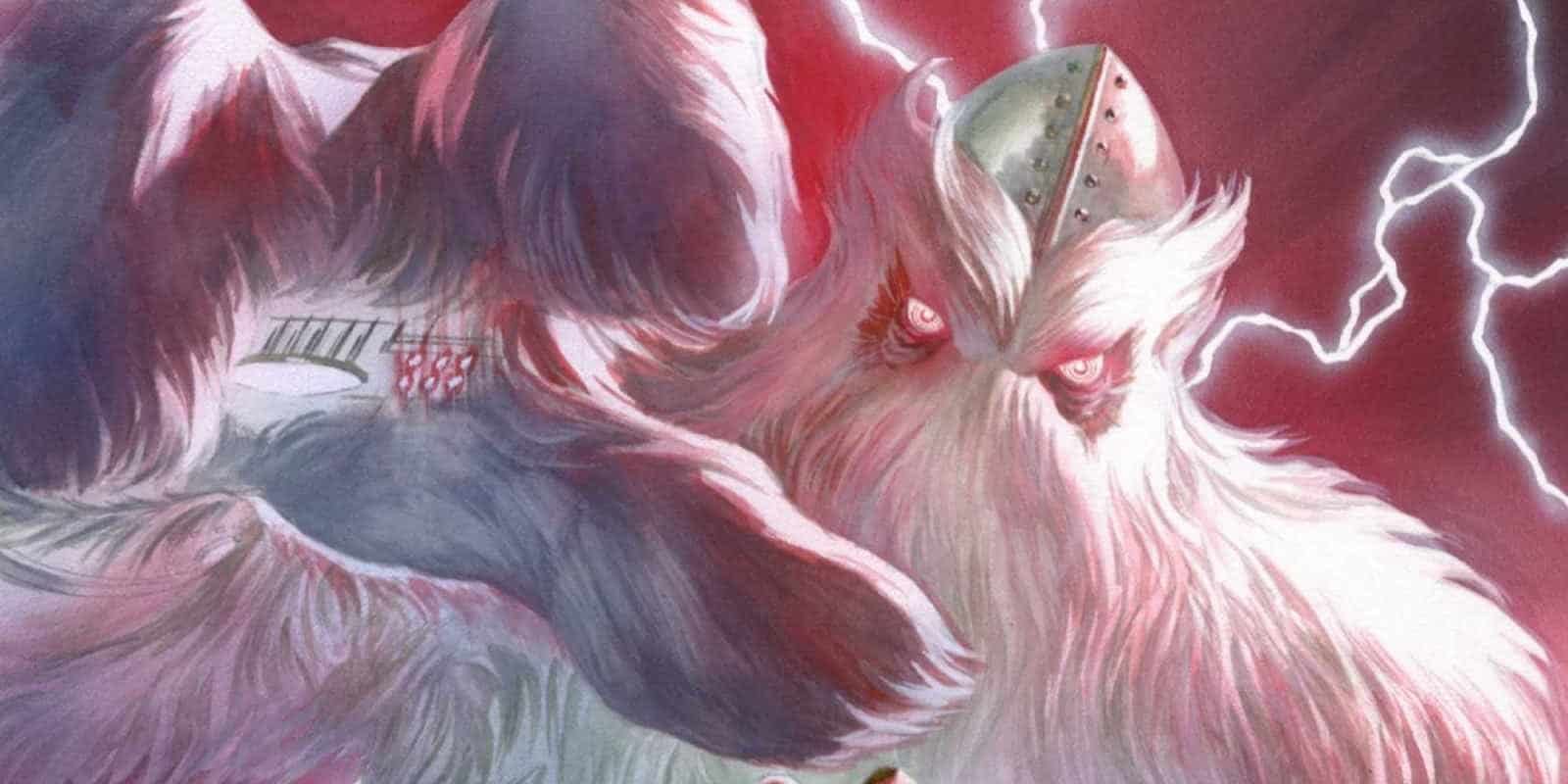
Before Bruce Banner ever turned green, there was another Hulk. He was an alien warlord, he was covered in white fur and he was hypnotizing the entire human race into loving him.
His name is Xemnu, and 66 years after Stan Lee and Jack Kirby introduced him, he’s still the darker of the two.
The Hulk we all know is one of the pillars holding up the modern Marvel Universe, smashing across Earth and the multiverse since 1962. He’s been through phases. Some of them made him the villain, like the murderous Maestro in Peter David and George Perez’s Future Imperfect.

But none of those phases get quite as ugly as what the original Hulk has been up to.
Marvel was chasing DC and building monsters on the side
When the Hulk first arrived, Marvel was only just getting back into publishing superhero comics. The company looked at the sales performance of DC’s Justice League and wanted something to put up against it.
Lee and Kirby answered with The Fantastic Four. It hit immediately and reshaped American comic books.

Meanwhile, Marvel kept a steady stream of romance, western, horror and science fiction titles on the racks, including Journey Into Mystery and Amazing Adult Fantasy.
Those science fiction books, Tales to Astonish and Strange Tales and Tales of Suspense among them, were packed with giant monsters in the years right before Fantastic Four debuted. Plenty of those creatures were the byproduct of atomic radiation. Others came from somewhere past Earth.
In 1960, one of the alien warlords showed up under a very familiar name.

The story was literally called “I Was a Slave of the Living Hulk”
Xemnu debuted in 1960’s Journey Into Mystery 62, created by Lee and Kirby. He’s an alien despot, banished by his own people, and he arrives on Earth with the power of hypnosis and no hesitation about using it. He brainwashes the population wholesale.
One man sees through it. He tries frantically to stop Xemnu, and it works. Xemnu flees the planet.
On the surface, that’s standard Silver Age material. But the Silver Age ran alongside the Cold War between the United States and the former Soviet Union, with “mutually assured destruction” hanging over everything.
Americans were afraid of Soviet spies slipping in and turning public opinion toward communism. Xemnu’s first appearance goes straight at that fear.
The detail that sticks, though, is what Lee and Kirby named him. The Hulk. The story’s title is “I Was a Slave of the Living Hulk.”
He had the name first and lost it anyway
Xemnu predates Bruce Banner by two years. He’d also been mostly forgotten by the time the Jade Giant showed up, and Marvel took full advantage, with Lee and Kirby handing Banner the name.
A new legend followed. Xemnu didn’t disappear, though.
Later creators looked at this leftover Silver Age monster and saw something usable. The “the Hulk” title was now a problem, so he became “the Titan,” and that’s stuck ever since.
After his return, Xemnu tangled with the Defenders and She-Hulk. Most of those appearances were jokes. He was a goofy relic from a sillier era, and the books treated him like one.
Then Al Ewing put him on children’s television
During the Immortal Hulk run, writer Al Ewing and artist Joe Bennett gave readers the most chilling version of Xemnu yet.
The Titan teams with Roxxon to produce a children’s show, and the show hypnotizes the human race into subservient consumers. It’s a riff on his 1960 debut, rebuilt with the disturbing parts pushed much further.
Because now Xemnu doesn’t just control people. He eats them, body and mind.
And Bennett doesn’t spare anyone the sight of it. The horrors Xemnu commits are on the page in full.
Nobody has topped it since
Xemnu has popped up here and there across the Marvel line since Immortal Hulk, but few stories get anywhere near what Ewing and Bennett built. They took a “ridiculous” holdover from a simpler time and made him shine.
The character is sitting right there, full of potential, waiting for writers and artists to pick him up again.
This Hulk never reached an audience the size of Bruce Banner’s. He’s still a great character, one who belongs alongside the best of Stan Lee’s creations.
A white-furred alien on a kids’ TV set, smiling at the camera, eating the people watching him.