

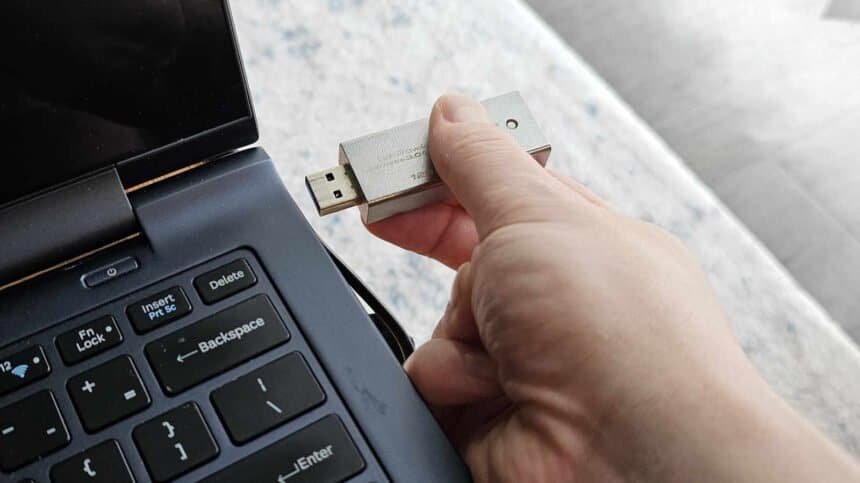
The 4TB Samsung 990 Pro I dropped into my last PC build cost $318 in November 2025. Amazon wants $1,100 for the same drive as I write this.
That’s the number that reframes the whole question of whether the USB flash drive is finished. It was arguably on its way out. Then the storage market fell apart.

The obsolescence rating nobody expected
The Museum of Obsolete Media still rates USB flash drives at a 1, which means a low risk of obsolescence. The logic is unglamorous: as long as USB ports exist, so do the drives that plug into them.
There’s no direct evidence that flash drive sales are declining. What changed is taste. People handle bigger files on faster hardware now, and anyone working in IT or a creative field has been reaching for something more capable for years.
Why they stopped feeling useful
Capacity is the whole problem. Most brands top out at 128GB, which is a rounding error when you’re moving modern files around.
Shoot 4K video on a new smartphone and you’re burning roughly 1GB per minute of footage at high frame rates. A phone or PC backup, a fat ZIP archive, a project folder: any of those blows past a thumb drive without trying. And when your files do fit, they crawl across the bus at speeds that make you go get coffee.
SSDs took over that job for good reason. The best ones run 1TB or more with far faster transfers, they’re more durable thanks to protective housings on portable models, and they tend to use higher quality memory controllers. All else equal, an SSD outlasts an average flash drive easily, which makes it the better long-term buy.
Bulk isn’t the objection it used to be either. Newer portable SSDs are genuinely pocketable. Not flash-drive small, but they disappear in a bag.
The port problem cuts both ways
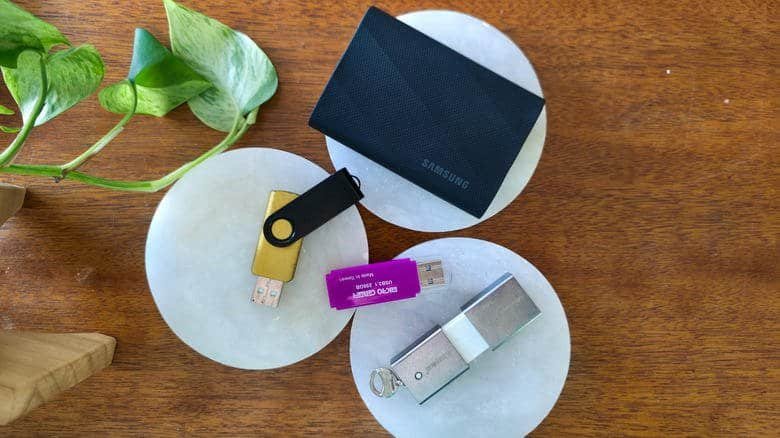
Some newer laptops ship with USB-C as the only data port. USB-C flash drives exist, but the SSD approach is simpler because it uses a cable, and most popular portable SSDs include both a USB Type-A and a Type-C cable so you pick whichever your machine actually has.
That’s a real convenience advantage, and until recently it was enough to close the argument.
Then the AI boom broke the price
Demand for data center storage and memory sent SSD prices skyrocketing since late 2025, and PC sales have fallen. Prices had stabilized at dirt-cheap levels that made data hoarding more economical than ever. The new demand sent them into the stratosphere.
Hence the 990 Pro going from $318 to $1,100. Samsung’s slower 990, adding insult, now costs even more than the original.
What $43 buys you now
Flash drive listings on Amazon look comparatively calm. Prices have gone up, but the rate of increase has lagged SSDs and HDDs, and the lower capacities keep the per-unit cost down.
A five-pack of PNY 64GB USB 3.0 flash drives runs $43 at the time of writing. Per gigabyte, that’s a long way below what the Samsung 990 is asking.
If you’re not shooting reams of 4K video, and you mostly need to move a few documents or park some tax filings somewhere physical, the math has flipped back. Google Trends shows a massive spike in search interest beginning in early 2026 for terms like “USB flash drive portable” and “USB flash drive 128GB.” People are doing this math themselves.
The jobs an SSD is too expensive to do
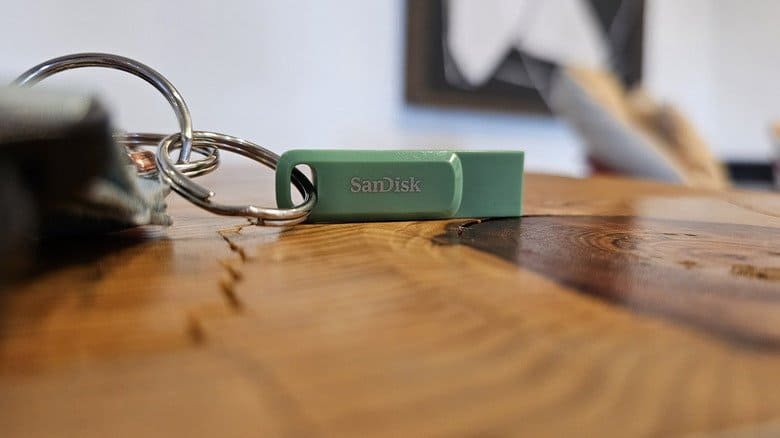
Bootable media is still flash drive territory. Installing a Linux distro or a Windows 11 instance doesn’t justify tying up an entire SSD, and at current prices that’s not a close call.
Same for portable, zero-footprint operating systems like Tail OS, or a keychain toolbox of diagnostics and repair utilities. Or just having storage on you when you need it.
Buy the five-pack. Keep one loaded with a Windows 11 installer, leave the rest in the drawer, and check back on SSD prices in six months.