


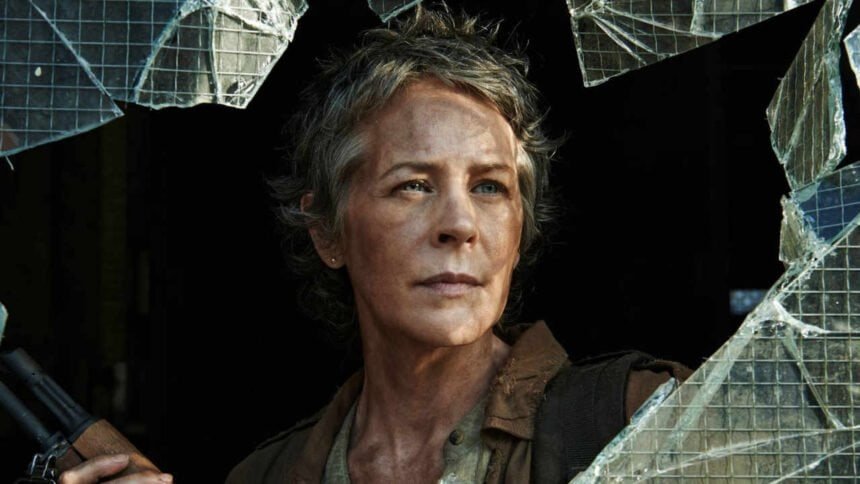
Five years. Seven shows. One streaming platform with more than 300 million subscribers. Starting in 2027, The Walking Dead and six of its spinoffs land on Netflix and AMC+ at the same time, under a deal reported at $500m.
That’s not a licensing footnote. That’s a franchise getting a second life on the platform best equipped to give it one.
The timing matters more than the money. The Walking Dead’s future is in jeopardy right now, and this lands exactly when the franchise needed something to point at.

Netflix has done this before, and everyone remembers
The platform doesn’t just make shows. It resurrects them. Series that flamed out on their original run have found audiences years later, and Bryan Cranston thanked Netflix for Breaking Bad’s success at the 2013 Emmy Awards.
Suits and Schitt’s Creek pulled the same trick. Both count among the best TV shows of the past 20 years, and both got their real cultural moment on a platform that let people watch the whole thing without waiting a week between episodes.
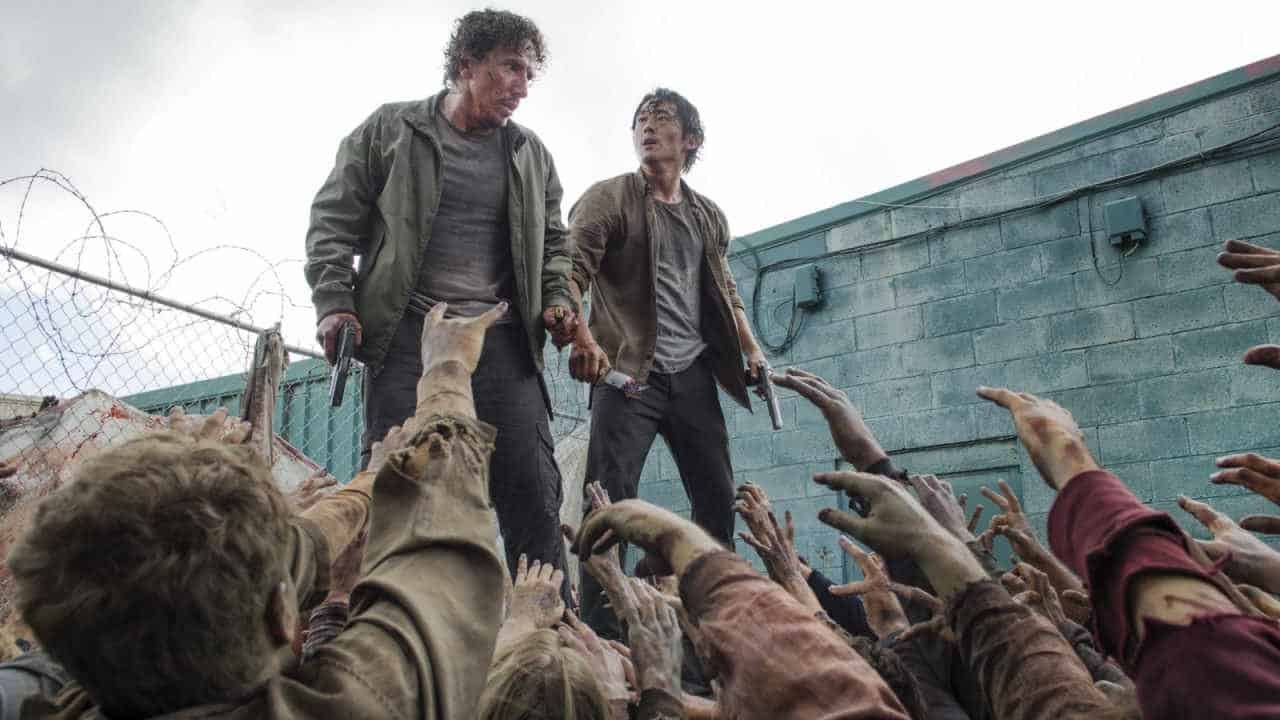
The Walking Dead is not little-known. It revolutionized the zombie genre and built an audience nobody saw coming. But interest waned as the show kept going, and that’s a different problem from obscurity. It’s a problem Netflix’s catch-up model happens to be good at solving.
Seven shows, one place, finally
Alongside the flagship, Netflix gets Fear the Walking Dead, World Beyond, Tales of the Walking Dead, Dead City, Daryl Dixon and The Ones Who Live.
Sprawling universes scare people off. They scare people off even harder when the pieces are scattered across platforms and you need three subscriptions to follow one story thread.
Put all of it in one library and the math changes. A newcomer can start at the pilot knowing they’ve got five years to finish. That’s a genuinely different proposition from being asked to hunt down a spinoff on a service they don’t have.
The scores tell an uncomfortable story
Reviews across the franchise vary wildly. Critics mostly hover in the 70s. Audiences have been far less generous.
World Beyond sits at 46% with critics and 31% with audiences, the low point across the board. Fear the Walking Dead pulled 74% and 57% over eight seasons. Tales of the Walking Dead managed 74% and 50% in its single season. Dead City has 78% and 50% across three seasons.
The flagship itself, 11 seasons since 2010, holds 79% with critics and 78% with audiences. Only The Ones Who Live beat it on the critics’ side, landing 88% against a 76% audience score.
Even Daryl couldn’t carry it
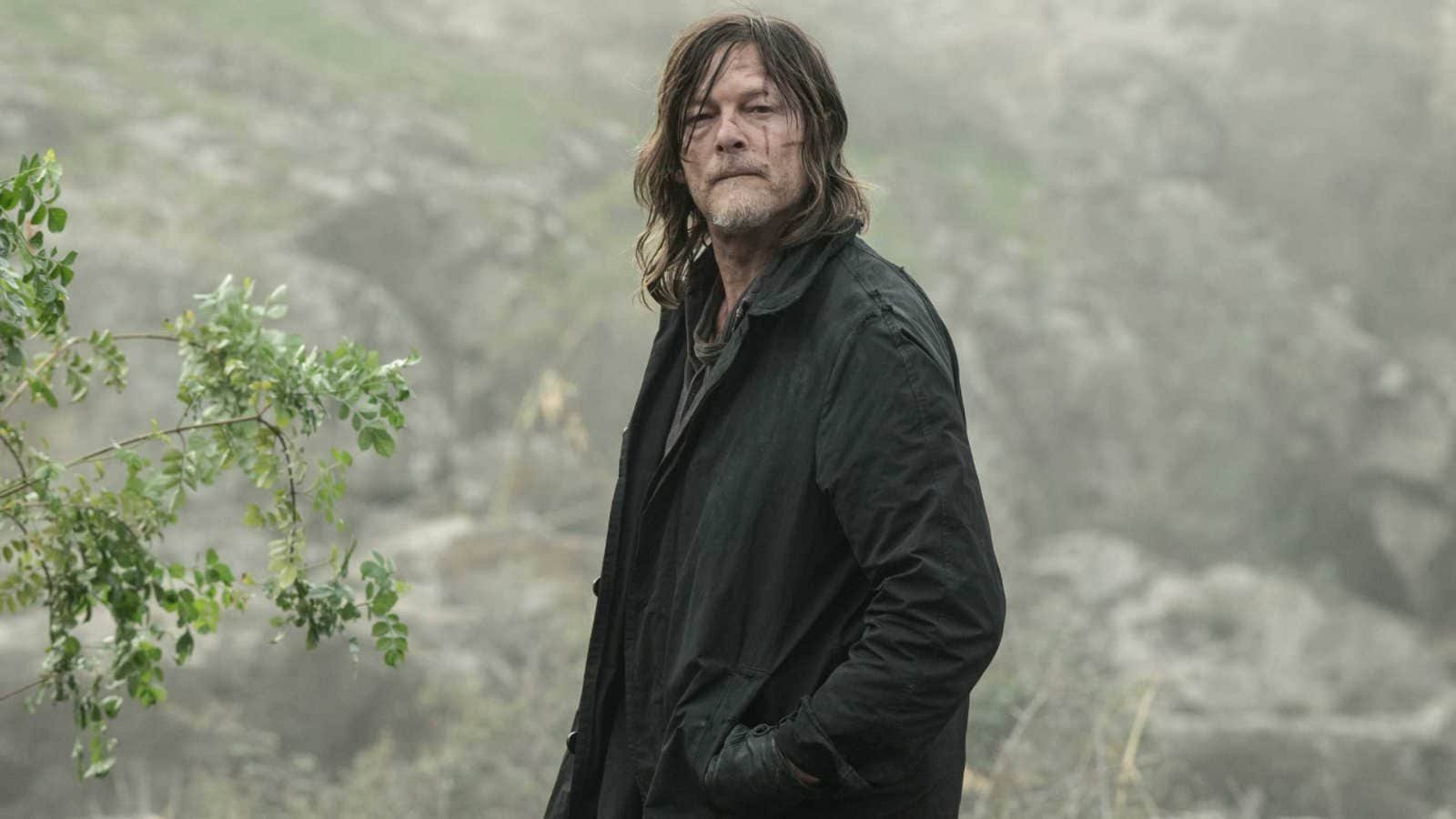
Norman Reedus is a fan favorite and his spinoff was the most ambitious of the lot by a wide margin. It still came in at 74% critics, 52% audience.
The Walking Dead established that the zombie outbreak was worldwide. In theory that unlocked a global franchise, stories set a long way from Georgia. Daryl Dixon looked like the test case.
Critics liked the France setting and the bleaker tone, and it became one of the most watched spinoffs. Others flagged the repetitive plot and the rushed feel of Carol’s arc. The most recent season recovered some ground, though not enough to lift the whole franchise.
Daryl Dixon ends after a fourth and final season in 2027.
Two seasons left, and that’s the whole slate
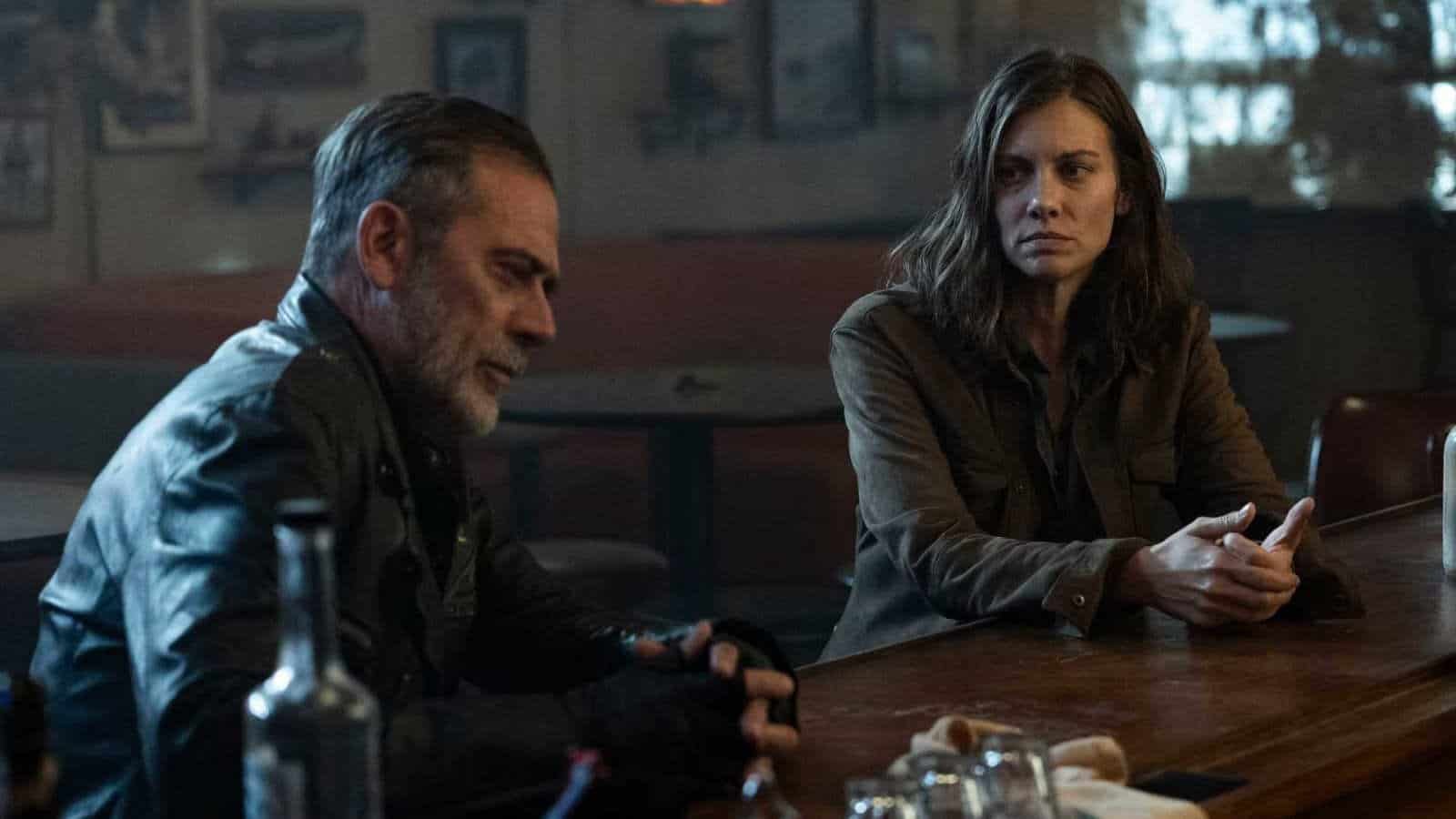
Daryl Dixon’s final run is the only confirmed future release. Dead City, the Maggie and Negan show, hasn’t been renewed. Its latest season drew a surprise perfect score from critics while audiences gave it 49% positive, which is roughly the widest gap you’ll find anywhere in the franchise.
Add it up and there are two seasons of Walking Dead television left. That’s a franchise with an opening, not a franchise with a plan.
Go back to the pilot and you can see the exact wrong turn
The show’s greatest strength was always the ensemble. The community storylines. A group of people facing one enemy or one impossible situation together, and being better for it.
Then it started splitting them up. Smaller groups, then smaller ones, until the thing that made it distinct was gone and you were watching another show about a handful of survivors fighting over a fence.
The final season had repetitive storytelling and leaned hard on cliffhangers. But the magic surfaced now and then, even late, which is why the potential argument keeps holding up.
The Ones Who Live proved what still works
The series ended without giving Rick a final arc or a reunion with his family. The Ones Who Live picked that up as a six-episode miniseries.
A cast that size wouldn’t have fit six episodes, and the reunion is exactly why it worked. It came closer to the original than any other spinoff, and the critics scored it higher.
Which points somewhere specific.
More spinoffs is the wrong move
The show left loose ends around fan favorite characters, and the obvious response is another spinoff for each of them. Several Walking Dead projects have already demonstrated why that fails.
Endless character spinoffs splinter the story, dilute the original premise and end up leaning on charisma inside an increasingly repetitive setup. You can only run the same survival structure so many times before the audience notices.
Netflix could go bolder.
What a real season 12 would look like
The spinoffs each carry their own tone and style, but none of them sit so far from the flagship that a crossover breaks. That’s the opening.
Take the ensemble from the original. Take the reunion theme from The Ones Who Live. Build a miniseries that pulls the shows and the characters back into one story, and you’ve got a season 12 that finally does the original justice.
Netflix originals have a track record of turning into hits. Handing that machine a franchise built on one of the most successful comic books of all time is a better bet than another solo spinoff.
Rick never got his ending on the show that made him. There are five years and 300 million subscribers now standing between the franchise and a second chance at one.









[…] Netflix has now announced a spinoff built directly around Emi. Read that plainly: the platform is spearheading its own version of Bosch, gender-bent. […]