
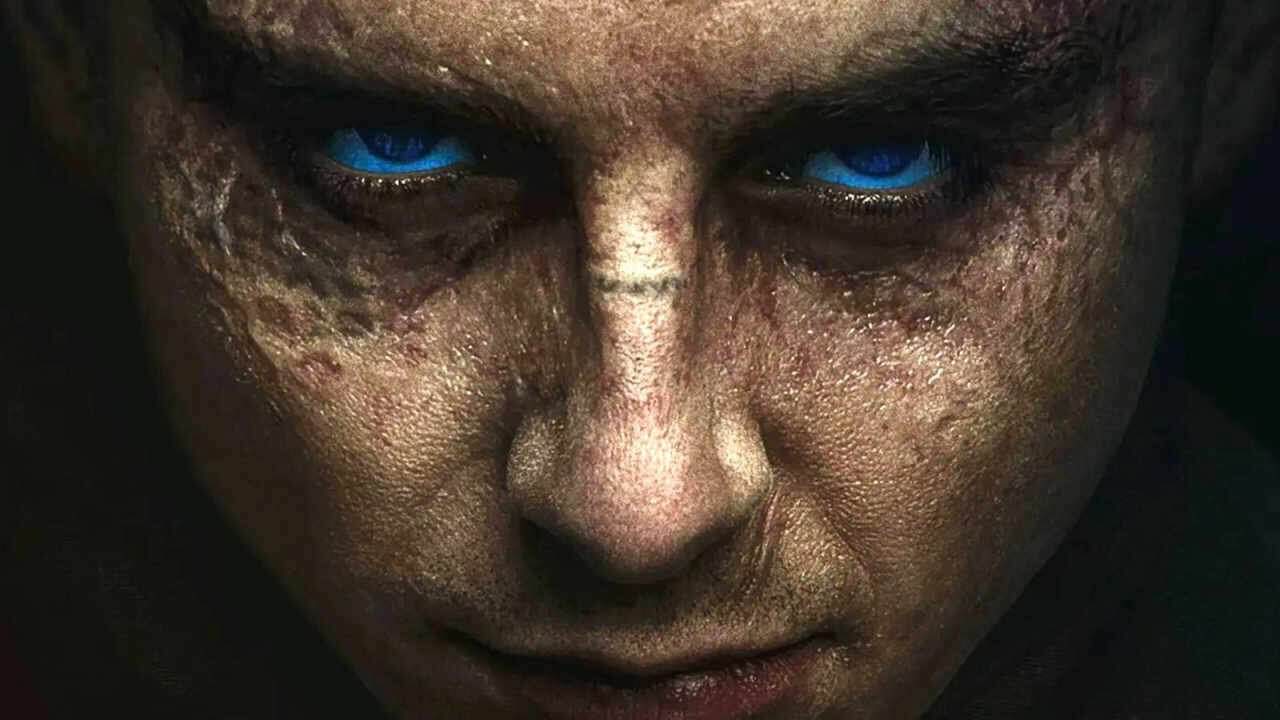


2026 already gave us one of the greatest sci-fi movies ever made. Project Hail Mary rearranged the brain chemistry of genre fans worldwide, and the year wasn’t done there.
Spielberg turned up with Disclosure Day. Pixar delivered a lovely little sci-fi in Hoppers. Netflix mashed The Terminator into Predator and called it War Machine. And Good Luck, Have Fun, Don’t Die turned out to be truly, madly, deeply brilliant.
The back half of the year has more. A lot more.
Sci-fi keeps attracting serious talent on both sides of the camera, and the rest of 2026 brings the return of an old master in Ridley Scott, the third chapter of a new master’s hard sci-fi saga, enormous IP plays, and a few originals and adaptations worth caring about. Whether anything can knock Project Hail Mary off the top spot is genuinely arguable. The hype machine says at least two contenders are coming.
Two quick pieces of housekeeping first
Terminator 2: Judgment Day returns to theaters August 28 for its 35th anniversary. No new footage. No retroactive 3D conversion. Nobody has messed with it in any way.
That’s precisely why you should see it on a big screen, especially if you never got the chance.
And while we’re here: The Hunger Games: Sunrise on the Reaping will land on some people’s sci-fi lists, but the dystopian prequel sits awkwardly next to more conventional genre fare. Argue about it among yourselves.
Adam Wingard shrinks the scale and it works in his favor
After two Godzilla movies, Wingard is walking away from Kaiju brawls to reunite with writer Simon Barrett and A24 for something much smaller. Onslaught is, ironically enough, an allegorical story about societal trauma, which his Godzilla films weren’t, despite the franchise’s origins.
It also lives in the same universe as The Guest.
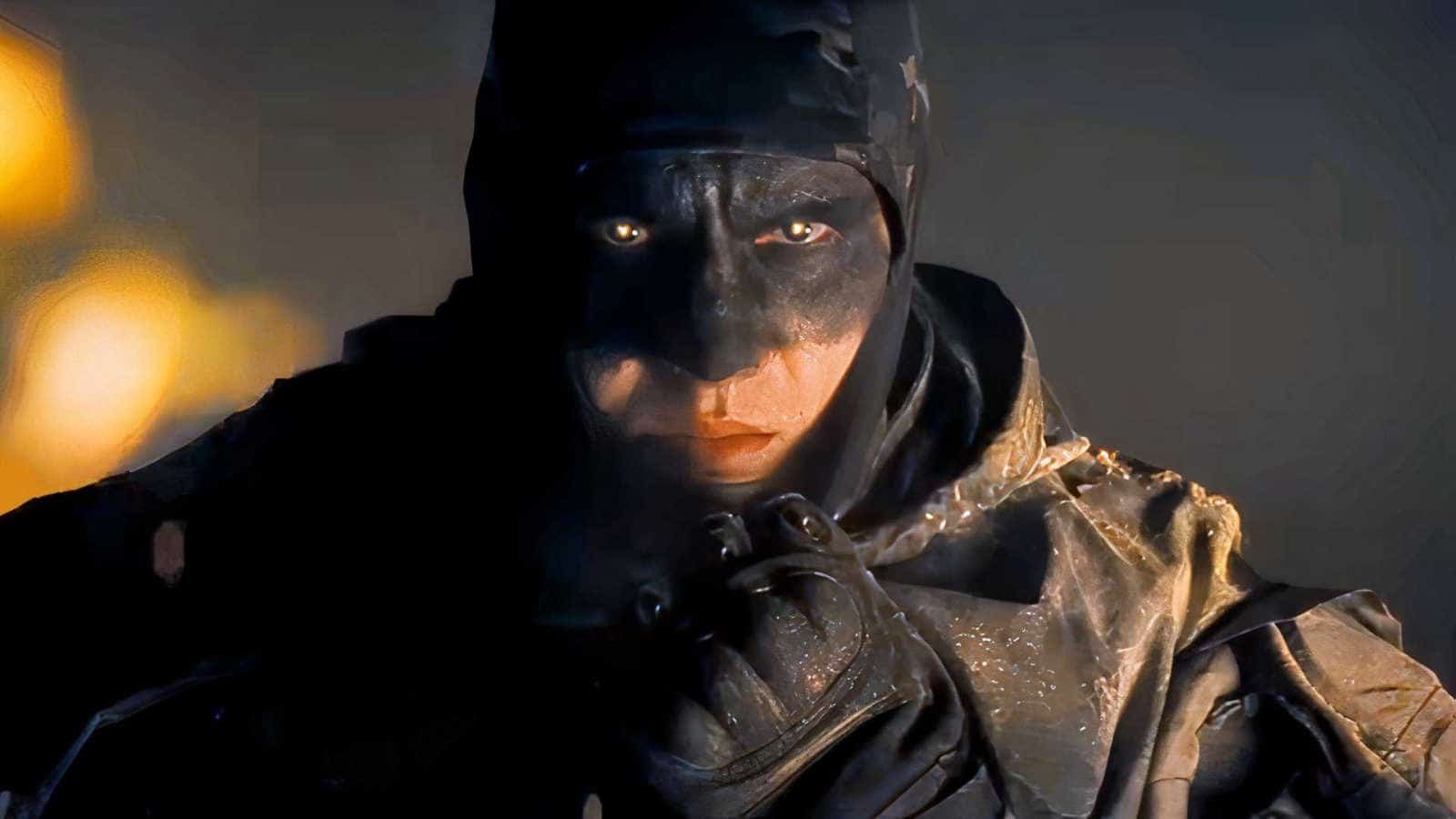
The film is very political, a choice some have already called provocative, but Wingard understands exploitation cinema, and a sci-fi/horror blend in that register is an interesting sell.
Adria Arjona, soon to be seen in Man of Tomorrow, plays a military vet fighting to protect her family from a squad of genetically engineered super-soldiers in the same town where The Guest took place. Dan Stevens is back, under a different name, and so is Wingard’s patented hyperviolence and unexpected depth.
Early reactions flagged the violence and the sheer fun of it, with comparisons to Terminator and Die Hard. Honestly, it’s been far too quiet on the Universal Soldier-style cyborg villain front. The bar The Guest set is high, but the signs are good.
Taika Waititi has something to prove, and Ishiguro is the test
Waititi’s reputation is a strange thing. He’s made excellent movies (and TV, for that matter), but the widely criticized self-indulgence of Thor: Love & Thunder, followed by the head-scratching choice of Next Goal Wins, dulled the shine.
Which makes him adapting Nobel laureate Kazuo Ishiguro’s masterpiece score awfully high on intrigue. It’s weird material. Weird is where Waititi does his best work.

Klara and the Sun casts Jenna Ortega as Klara, an “Artificial Friend” built to provide companionship and emotional support to lonely teenagers in a near-future society driven by high-stakes genetic engineering. If only that read as laughably unrealistic sci-fi fantasy rather than a horribly plausible preview of what Silicon Valley is building for us.
Movie AI tends to be malevolent. Ishiguro treats the technology as a species of existential horror, but also as a wonder that demands something like empathy.
This isn’t a swashbuckling robo-war picture. It sits with the subtleties of existence, and it should give Waititi a path back to soulful form.
Brad Bird finally gets to make the movie he’s been chasing
Bird cut his teeth co-writing the wonderful Batteries Not Included in 1987 and has made plenty of sci-fi since. The box office has been strangely uneven about it. The Iron Giant is both an undisputed masterpiece and a genuine flop. Tomorrowland was unfairly misunderstood and barely earned back its production budget.
At least he has The Incredibles.
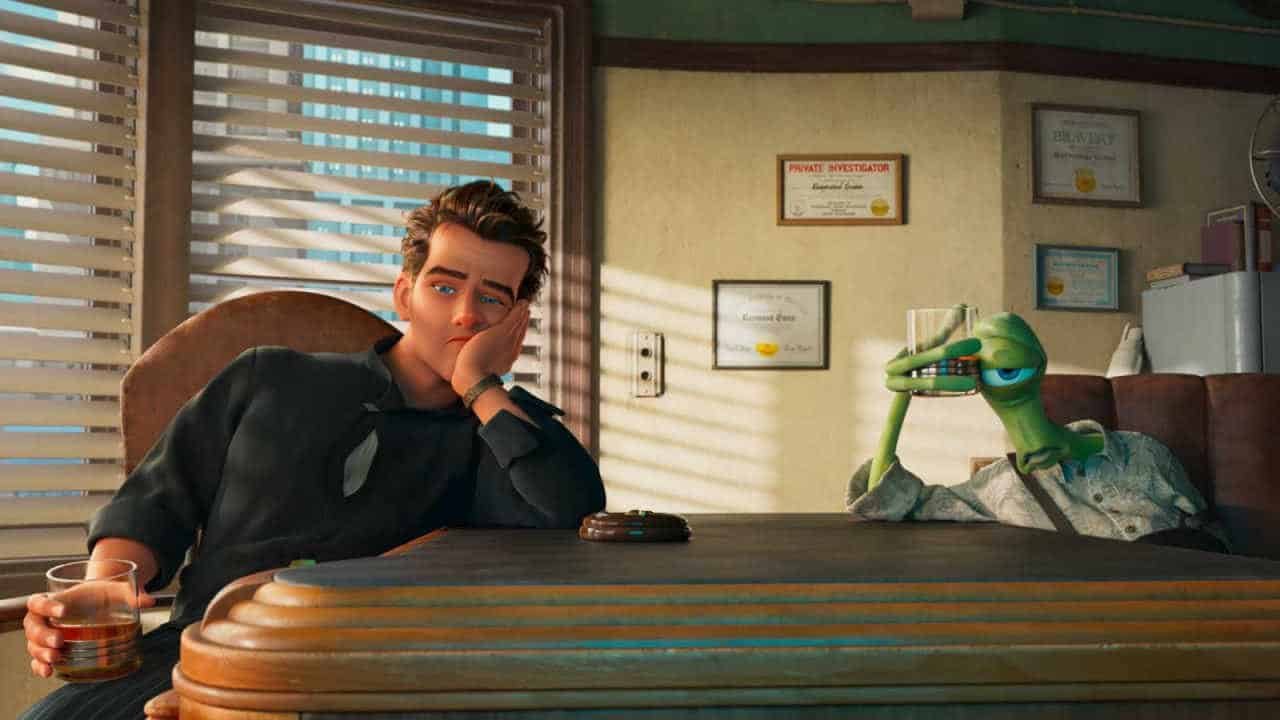
Better still, his long-gestating passion project Ray Gunn is heading to Netflix, which means no box office expectations getting in the way of how good it might be. Like Tomorrowland and The Incredibles, it’s retro-futuristic, and it’s animated, fusing 1940s noir detective tropes with a future world shared by humans and aliens.
Bird is reuniting with Matthew Robbins, his Batteries Not Included co-writer, who also did uncredited scripting on Close Encounters of the Third Kind and E.T. The Extra-Terrestrial. Not a partnership short on quality.
Letting Bird aim his storytelling instincts at something this original and this familiar-sounding at once is a real prospect. Early reviews of the first seven minutes out of Comic Con were delightfully glowing.
Ridley Scott hasn’t touched sci-fi since 2017
His last was Alien: Covenant, which came right after The Martian, so his return to the genre with The Dog Stars shouldn’t need much explaining.
Adapted from Peter Heller’s acclaimed novel, it follows a pilot, his dog and a stern ex-Marine clinging to survival in an abandoned hangar after a devastating flu pandemic decimates human civilization.
With Scott in charge, we already know the story will speak loudly and the central performances will land. But this looks like a change of pace.
Early reactions to The Dog Stars describe a gentler Scott, and confirm that both the story and character work are impressive. Not shocking when the cast is led by Jacob Elordi, Josh Brolin and Margaret Qualley.
Apocalyptic sci-fi fans may be more accustomed to heavy-handed mutant or zombie threats. Scott’s dystopia, and Heller’s before it, is a different breed carrying the master’s touch. That should be enough for anyone.
Godzilla Minus Zero has the hardest act in the genre to follow
In 2023, Takashi Yamazaki set a daunting bar with Godzilla Minus One, something wildly transformative for monster movies and deeply familiar at the same time. It proved you don’t need nine-figure Hollywood budgets when you understand what a Godzilla movie is supposed to be. Returning to allegory for trauma in post-war Japan, it stands as one of the most notable movies of the century.
Minus Zero picks up after its Oscar-winning predecessor and promises to continue Toho’s grounded, character-driven approach. Yamazaki returns as a triple threat, handling writing, directing and visual effects supervision, which alone will have fans throwing money at it.
For sci-fi purists, hitting the original’s heights would deliver the antidote to hollow CGI spectacle and homogenized universe-building. Plot details are thin: a continuation of the Shikishima family’s story and another “calamity” in 1949. The central trauma is guaranteed, and so is more monster action.
If you loved the original, your tickets are already ring-fenced. If you didn’t, you probably didn’t see it.
Denis Villeneuve is walking away from Arrakis
On pedigree alone, Villeneuve’s third Dune film, an adaptation of Dune: Messiah, would run away with most hype rankings. And there’s something telling in Warner Bros’ confidence, releasing the threequel, Villeneuve’s last in this universe, in direct competition with Avengers: Doomsday.
If it performs anything like Part 2, which outgrossed the original by a shade over $300m, a near-billion-dollar haul is on the table.
Money doesn’t determine quality. But the hard sci-fi world-building of the first two films is ample evidence the trilogy-ender should be a blast.
Messianic chosen-one stories usually follow a predictable arc. Dune: Part Three has worn its subversion across its chest since day one. Same rich lore, same politics, same cast, now with Robert Pattinson, which these days functions as a quality guarantee on its own. Watch it with the sound off and Villeneuve’s visuals would still be a hell of a treat.
And the biggest one is a comic book movie, which I’m counting anyway
There will be debate about classifying Avengers: Doomsday as pure sci-fi. Only one of those two things is an actual genre. And it’s my list.
The fifth Avengers is a fascinating prospect, and not for entirely positive reasons. Off the back of Spider-Man: Brand New Day succeeding as a stand-alone story, Doomsday returns to the formula that has made Marvel the most money during the Multiverse Saga. Big-name characters, mysterious cameos, nostalgia. That’s why so many fans are thrilled, and exactly why so many cynics are already irritated.
Like plenty of MCU movies, the story, or what can be pieced together from surprisingly vague marketing, is high concept sci-fi: the multiverse, variants, techno-magic, colliding universes. It also carries the enormous selling point of Robert Downey Jr’s return, with all the canon wrinkles that implies, and an eye-wateringly good cast.
The Russos want to outdo Avengers: Endgame, which is getting a new version with bridging material timed for release ahead of it. If they manage it, there’s no question about which movie ends up the year’s biggest sci-fi.



[…] never quite let go: cyborg assassins living among us, machines deciding humanity is the problem. Decades of movies, shows and games have picked at that same […]