
Netflix is spending $280 million on a movie about two kids from 1900s London who touch a magic ring. That’s not a typo, and it’s the clearest signal yet of where the streamer’s fantasy money is going once Geralt hangs it up.
The Witcher ends with season five, expected on Netflix in 2027. What replaces it isn’t one show. It’s two franchises, pulling in opposite directions: C.S. Lewis’ Chronicles of Narnia and the 30-year-old trading card game Magic: The Gathering, Hasbro’s first $1 billion brand with over 50 million players worldwide.
The Narnia bet is bigger than it looks
Greta Gerwig’s Narnia: The Magician’s Nephew hits Netflix on April 2, 2027. But it lands in theaters worldwide first, IMAX included, on February 12. Two months of cinema exclusivity from a company that has spent a decade insisting cinemas don’t matter.
That’s unprecedented for Netflix, and it tells you how much faith the studio has in Gerwig and in Narnia itself. The math backs it up. Fox’s three previous Narnia adaptations grossed over $1.5 billion combined worldwide.
Gerwig’s film is the first on-screen version of The Magician’s Nephew, the origin story: how Narnia came to be, where that lamppost came from, who the White Witch was before she was the White Witch. Two kids stumble into the “wood between the worlds” after touching a magical ring, and the whole thing starts there.
The reported $280 million budget makes it one of the most expensive movies the streamer has ever produced. Which explains the theatrical push. And if any genre earns a big screen, it’s this one.

Magic: The Gathering has been stuck for six years
The animated Magic series was first announced in 2019, with Marvel’s Joe and Anthony Russo producing. Then nothing. It was revived in 2024 with Star Trek: Picard showrunner Terry Matalas attached, and then mostly nothing again.
A recent Netflix press release called the show “upcoming.” One word, and it’s the most meaningful update on the project since Matalas came aboard two years ago. Quiet, but it means the thing is alive.
Animated fantasy is where Netflix already wins. Arcane. Castlevania. The Dragon Prince. The Witcher: Nightmare of the Wolf and Sirens of the Deep. A Magic series drops into that lineup without friction.
And the format is having a broader moment. Tolkien’s Middle-earth turned up in the animated feature The Lord of the Rings: The War of the Rohirrim. Prime Video has Hazbin Hotel and The Legend of Vox Machina.

The Witcher was worth the mess
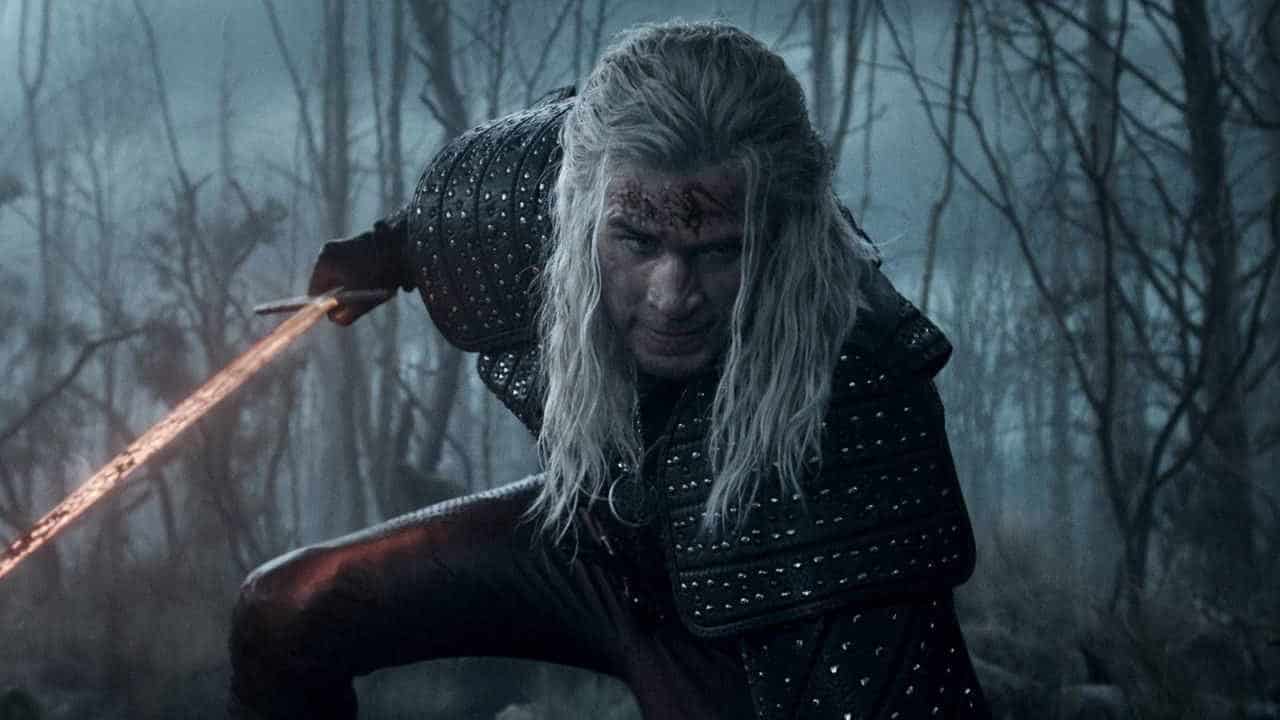
Netflix’s Witcher universe covers a soon-to-be five-season live-action show, a critically maligned limited series and several animated projects. It’s one of the streamer’s biggest properties, and it got there through a rough stretch: Henry Cavill’s departure, then the cut from an original seven-season plan down to five.
Still a win. It let Netflix compete in high fantasy before live-action One Piece existed.
Season five will likely find Geralt searching for Ciri after his dealings with Queen Meve, while Yennefer closes in on Vilgefortz, the show’s true big bad.
Fantasy is expensive and it’s fragile. Netflix canceled Leigh Bardugo’s Shadow and Bone after two seasons, with an eight-episode spinoff already written. Prime Video killed Robert Jordan’s The Wheel of Time after three seasons and got a wave of outrage for it. A built-in book or gaming fanbase guarantees nothing, not even an ending.
But when these shows work, they cultivate the kind of long-term loyalty other genres can’t touch.
There’s a third project, and a fourth that died
Netflix is also developing Ravenloft, a live-action Dungeons & Dragons series with writer and executive producer John August, executive producer Alfonso Cuarón and Hasbro Entertainment. An earlier D&D series, Shawn Levy’s The Forgotten Realms, was in development at Netflix and has since been canceled.
Everyone else is loading up too. HBO keeps expanding George R.R. Martin’s Westeros and is prepping its Harry Potter remake. Disney+ has Warrior Cats. Apple TV, the sci-fi house, is finally moving into fantasy after an unprecedented deal with bestselling author Brandon Sanderson. Prime Video is pushing The Lord of the Rings: The Rings of Power and God of War. Even Peacock, NBCUniversal’s smaller player, is going after it with a live-action adaptation of Matt Dinniman’s science-fantasy LitRPG series Dungeon Crawler Carl.
Romantasy is eating the development slate
The other engine here is romantic fantasy, romantasy if you’ve been on the internet in the last three years. Prime Video is working on Rebecca Yarros’ dragon fantasy Fourth Wing and Lauren Roberts’ Powerless trilogy. Netflix reportedly paid a seven-figure sum for the movie rights to Callie Hart’s Quicksilver.
Since Game of Thrones broke out on HBO, fantasy has mostly lived on television. Netflix’s slate argues the genre doesn’t have to pick a lane: live-action series, animated series, theatrical film, all at once.
Which brings it back to that lamppost. In February 2027, in IMAX, a child from London will walk into a snowy wood and see it lit.