

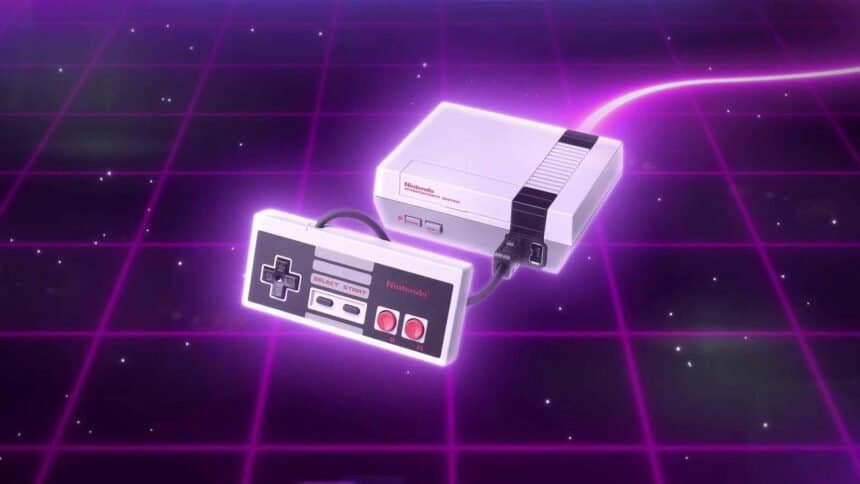
The NES hit North American shelves on October 18, 1985 with a thin slate of launch software: Super Mario Bros., Excitebike, a handful of others. Inside a few years it had hundreds of titles, which settled the question of whether the video game industry had actually died in the early ’80s. It hadn’t.
Most of that library is furniture now. Interesting to look at, no reason to sit down. But a few of these games still hold up from the first screen to the last, and they’re the ones worth your evening.
Here are 10.

The ninja that made birds terrifying
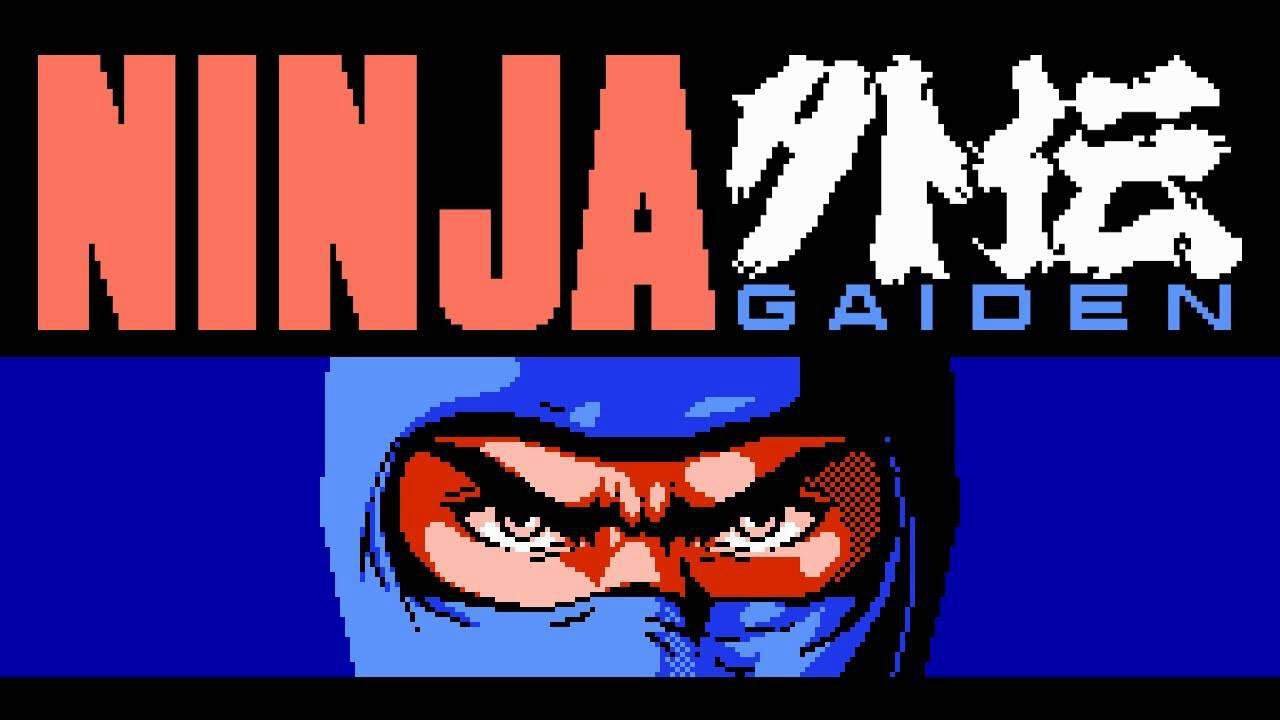
Ninja Gaiden, published by Tecmo, dropped ninja warriors into a contemporary city and made you want to spend real time with Ryu Hayabusa. Then it charged you for the privilege.
This is one of the hardest games of the era that anyone would still voluntarily play. Bosses hit hard and fast. Birds will knock you off a ledge, and you will deserve it.
Two sequels followed, both good. Tecmo revived the series on the original Xbox, and 2005’s Ninja Gaiden Black is widely considered peak gaming. Start with the first one anyway.
Konami’s gothic peak came before the famous one
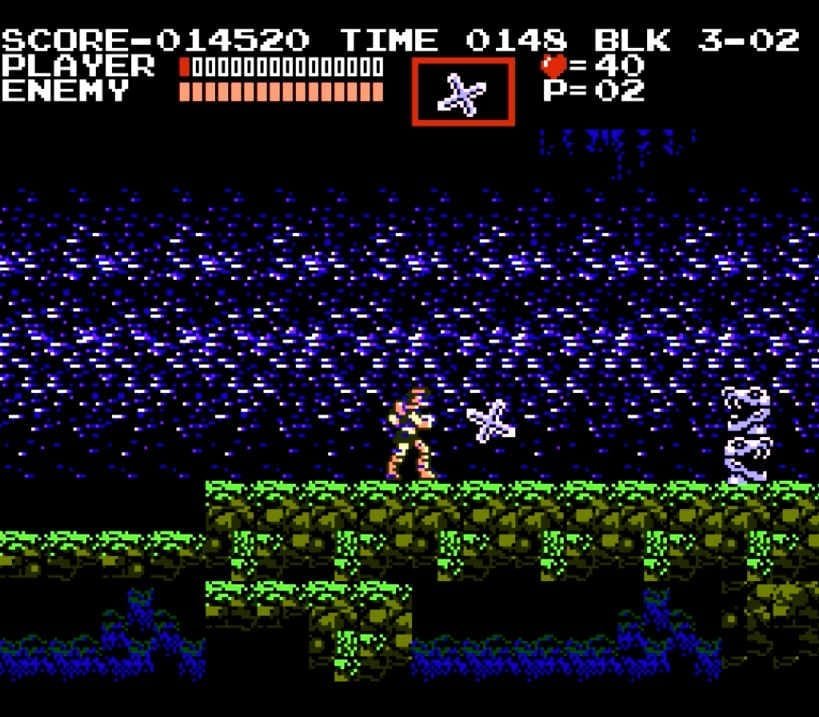
The whole Castlevania run is worth playing, and you don’t need to skip ahead to critical darlings like Symphony of the Night to find the good stuff. Every entry has something. But Castlevania 3: Dracula’s Curse got the most right at once during the franchise’s formative stretch.
It managed that with multiple playable characters and branching routes through its gothic stages. That’s why people still run it repeatedly, trying new strategies and weapon combinations against the forces of darkness.
Hyrule rewards you for asking around
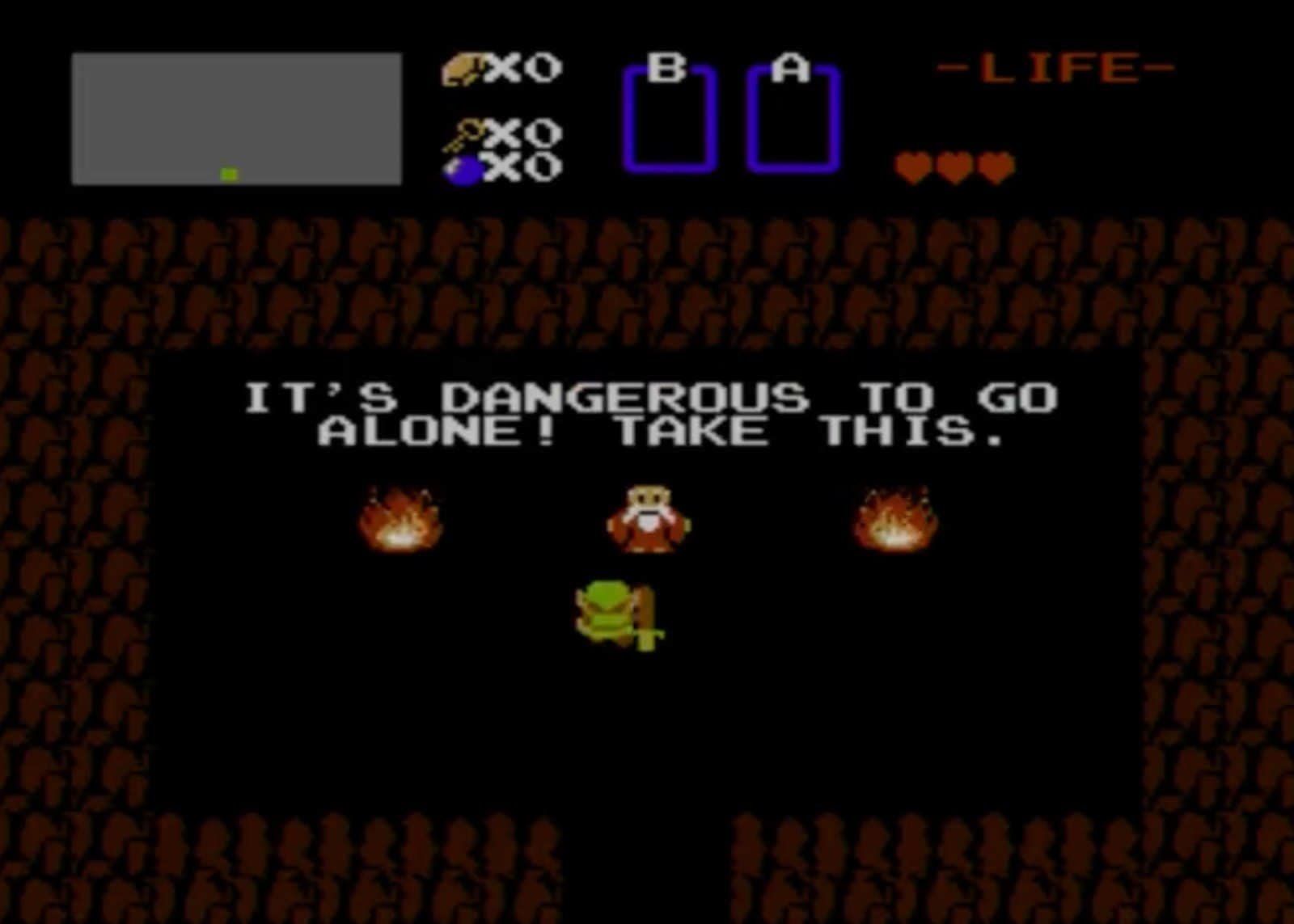
The Legend of Zelda came out first on the Famicom Disk System in Japan in 1986, then reached the NES in North America in 1987.
Play it wrong and it’s a chore list. Bomb every rock wall, burn every tree, screen after screen, forever.
Play it right and NPCs are waiting in hidden caves with tips that point Link toward the best rewards and the nastiest challenges. Dungeons can be tackled in almost any order regardless of their numbers, and the gear inside lets you topple Ganon and save Hyrule not once but twice.
The RPG that split itself into chapters
You could make a case for every game in the Dragon Warrior series, now known everywhere by its Japanese name, Dragon Quest. Enix’s Dragon Warrior 4 makes the strongest one.
The first half breaks into bite-sized adventures with a rotating cast of heroes, then pulls them all into a single party once the main hero shows up for the final chapter. Add a sprawling world map, real narrative ambition and technical mastery, and the last 8-bit entry in the series holds up across repeat playthroughs.
Kirby arrived late and made it count
After debuting on Game Boy, Kirby got a bigger, more colorful outing on the home console just before the NES made way for the Super Nintendo.
Kirby’s Adventure is full of whimsy and of enemy abilities for the pink puff to swallow and repurpose, and Dream Land is still a pleasure to poke around in at any age. If you’re looking forward to the recently announced Kirby and the World Beyond for Nintendo Switch 2, go back and see where the series peaked early.
Thirty lives and an alien invasion
Contra is short, which is exactly why it works as a one-sitting game today, solo or with a friend.
The stages are unforgiving. But punch in the Konami code at the title screen, put in a little practice, and you’ll fend off the alien invasion and see the credits.
Plenty of Contra games came after. None matched the clean pleasure of the first, which was built from the arcade original.
Six Mega Mans, one right answer
Capcom put six Mega Man games on the NES, and everyone who was there has a favorite. Mega Man 2 is the common pick, and it earns the spot by being leaner than what followed.
Mega Man 3 gave us the slide and a robot dog named Rush, both great. It also gave us the Doc Robot stages, which are remixes of levels you’d already beaten and felt like filler then too.
There’s no bad game in the first six. Mega Man 2 is the one you’ll replay.
Some people still know the Tyson password by heart
That fact alone tells you how deep this one burrowed. Nintendo’s game sends the tiny Little Mac against a lineup of international caricatures, each with their own personality and attack patterns.
Mike Tyson’s Punch-Out!!, later reissued as Punch Out!! once the Tyson license expired, is one memorable moment after another. A practiced player can get from Glass Joe to the final bout in under 30 minutes. Newcomers will need longer, and won’t mind.
Scrooge McDuck’s five levels, your order
DuckTales is among the most replayable things on the system. You pick the order of its five main levels, though the African Mines will send you on a detour.
The stages are gorgeous and a joy to wander: the Amazon, the Himalayas, the Moon. Nearly every screen hides something, and finding it still feels good.
DuckTales Remastered remixed the levels on newer hardware and added a fresh coat of paint. The original is better, and it’s right there in 2026 as part of The Disney Afternoon Collection on consoles and PC.
Eight worlds, no filler
Super Mario Bros. 3 packs dozens of distinct stages across eight worlds, and each one brings something you haven’t seen. Mario climbs a tower into the clouds, swims alongside fish big enough to eat him whole, walks through doors that make his enemies enormous and gets harassed by a desert sun that dives out of the sky.
Floating airships. Secret mushroom houses. Warp whistles.
That’s why so many players still call it the best game of its generation. Take the long road through the whole adventure or whistle your way past half of it. Your hundredth trip through the Mushroom Kingdom plays as well as your first.
Zelda’s ability to endure over decades is a miracle.