
For decades now, people have shoved Doom onto anything with a sliver of computing power and a screen. And onto a few things that have neither.
That’s the kind of afterlife only a handful of franchises ever earn. The 20th century gave us plenty of games we loved personally, the ones we still think about at 2 a.m. for no reason. It also gave us the series that rearranged the furniture for everybody else, across the Nintendo Entertainment System, Genesis, Game Boy, PlayStation and PC.
New heroes. New genres. New expectations. Here’s how the heavyweights stack up, ranked by what they did to the medium.

The series that sold football to people who hated bounty hunters
Say “video game” and most of us picture spaceships, or a hero with an absurd sword carving up something slimy, or a mascot with fur bouncing across platforms. Electronic Arts saw a different customer entirely.
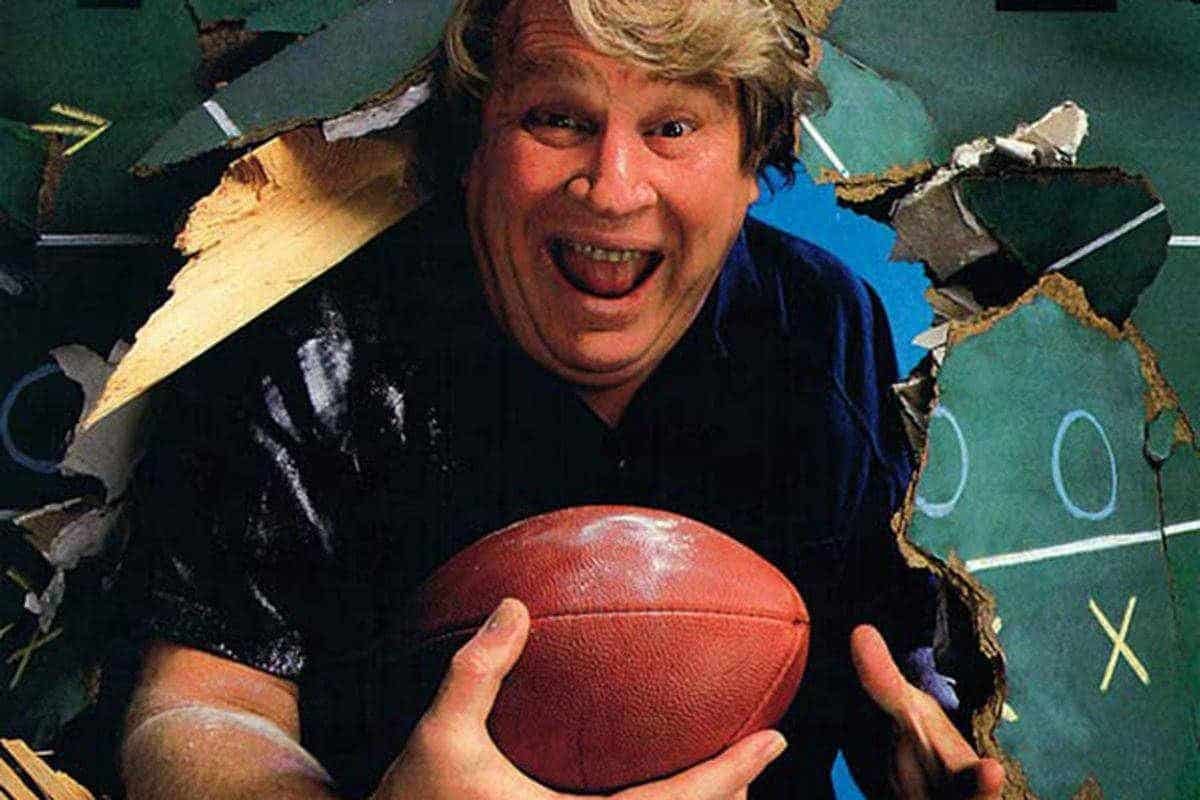
John Madden Football landed in 1988, kicking off a partnership with the gregarious former player, coach, sports commentator and turducken enthusiast. EA flooded the ’90s with sports titles and digital versions of athletes from every league it could license.
The NFL deal was the one that mattered. As the century closed out and the next millennium started, people who had zero interest in princes or galactic bounty hunters finally had something they recognized, and they showed up in droves. There’s a Madden movie on the way, which tells you everything.
Capcom’s Blue Bomber ran the same trick for years and nobody minded
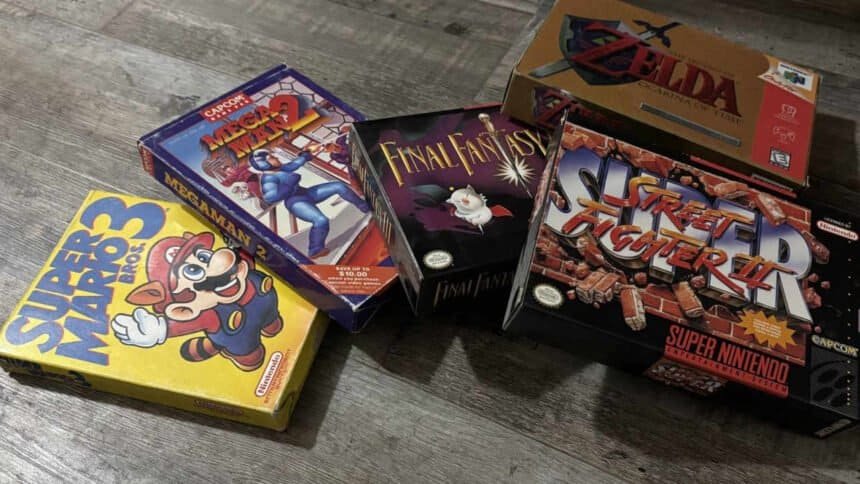
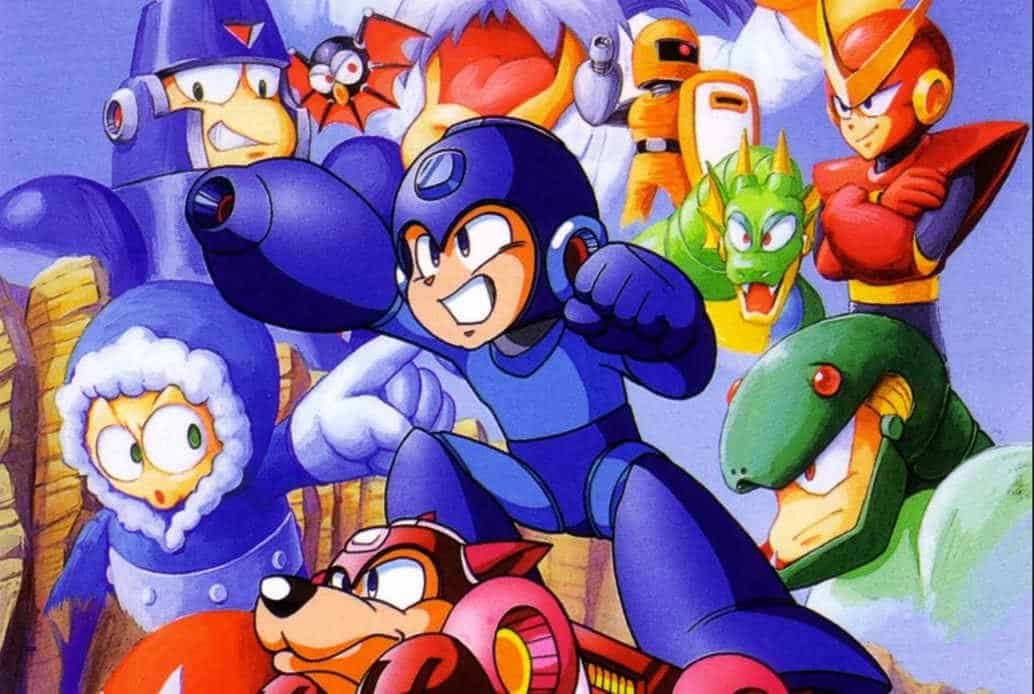
Mega Man stumbled out of the gate. Mega Man 2 fixed that, and what followed was a long stretch where every new year delivered another serving of action platforming done right.
The formula barely changed. Eight out-of-control machines wreck 20XX, always at the direction of Dr. Wily, and the unflappable hero picks up dozens of new abilities and companions along the way. Capcom built a main series out of it, plus the Mega Man X spinoffs, plus assorted console and arcade releases.
His moment has passed, mostly. He’s turned up in cartoons and as a Smash Bros. fighter, and he’s got a new adventure coming in 2027’s Mega Man: Dual Override.
Half a subgenre is named after Konami’s vampire hunters
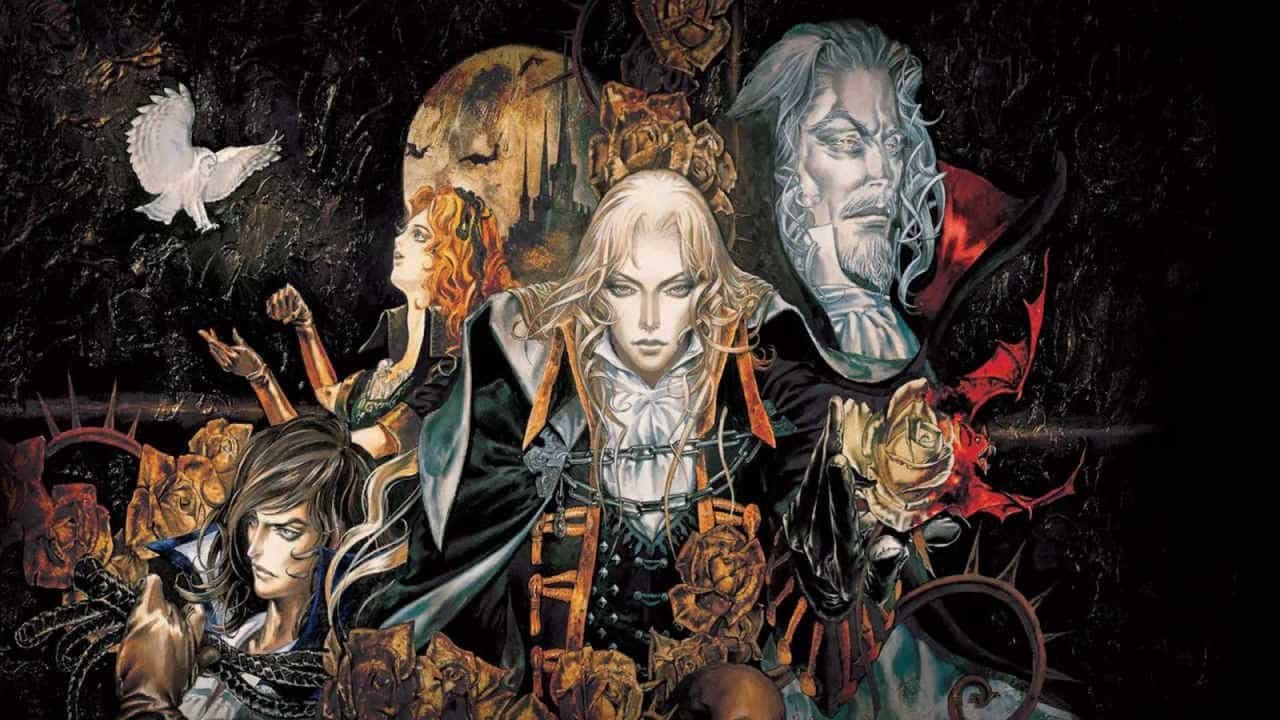
Every gothic adventure game since owes Castlevania money. But the franchise’s real trophy is linguistic: it’s half the inspiration behind the entire Metroidvania subgenre, thanks to Symphony of the Night, which hit PlayStation in Japan on March 20, 1997.
By then the series had already stretched across the NES, Genesis, MSX and Commodore 64. Games once fed by cinema and literature now feed other work themselves, including a hugely popular anime adaptation on Netflix.
The revival’s ongoing. Castlevania: Belmont’s Curse arrives this October for Nintendo Switch, PlayStation 5, Windows PC and Xbox Series X/S.
Nintendo’s first real proof it knew what it was doing
Follow Nintendo’s history back far enough and you smack into Donkey Kong. The original didn’t look like franchise material. It became one anyway.
Donkey Kong Jr. handed the antagonist’s son a hero role. Then came Donkey Kong 3, Donkey Kong Jr. Math and a compilation of the first two. Years later, Rare’s Donkey Kong Country and its sequels showed up and made the point all over again.
That trilogy stretched the Super Nintendo’s lifespan until Nintendo was ready to ship the Nintendo 64, and it seeded a revival on Wii and Wii U. Most recently, Donkey Kong Bananza caught fans off guard near the Nintendo Switch 2 launch.
A city that doesn’t exist, remembered like one that does
Raccoon City is no more real than Hyrule or the Mushroom Kingdom. It feels as real as Chicago or Portland.
You remember the deserted mansion. Zombies at your back, typewriter ribbons rationed like water. You remember the police station, and the discovery that the local cops couldn’t protect you from whatever the Umbrella Corporation had cooked up.
Resident Evil and its sequels and spinoffs spawned a small army of imitators, including Konami’s similarly excellent Silent Hill series, plus movies and board games. Capcom’s still going strong with it, though topping what the franchise did in the late ’90s is hard to picture.
The quarters we fed into pizza parlor cabinets
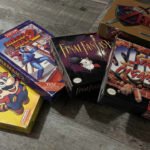
Street Fighter didn’t really matter until Street Fighter 2: The World Warrior started pulling crowds in arcades after its March 1991 release. The Super Nintendo version came a year later and suddenly you could play all night without emptying your pockets.
For a long stretch, though, the best versions lived in cabinets. So we went to them. Arcades, sure, but also laundromats, pizza parlors and convenience stores.
Capcom kept the Street Fighter II variants coming and pushed the property into anime, movies and comics. Mortal Kombat and Tekken chased the audience Capcom found. Neither one is Street Fighter 2, and some of us will die on that hill.
Sega built a rival out of sneakers and sunglasses
Mario’s games have plenty going for them. Style isn’t on the list. The overalls, the drooping mustache, the general air of a guy clocking in: he doesn’t read as someone equipped to save a fantasy kingdom from a dragon-like monster called Koopa.
Sega noticed the gap and filled it with a blue hedgehog who had an attitude, red sneakers and dark shades. Sonic also ran fast. Ludicrously fast. And he collected rings, which sprayed everywhere the second he clipped a spike.
The rivalry started almost immediately after Sonic the Hedgehog shipped on June 23, 1991. Schoolyards split into camps. The heat in those arguments looks silly from here, but in the ’90s it was a reason to get out of bed.
Four words that owned a generation
Whoever wrote “Gotta catch ’em all” deserves a raise, because it became a battle cry.
Parents and pastors fretted that we were inviting the devil indoors. We were combing grassy trails, hoping to lob a ball at some new fish, gopher or bird for the team.
Pokemon is still enormous, and here’s the strange part: it felt bigger in the ’90s. We collected the cards. We hounded our parents for batteries so we could finally take down that gym leader. We traded, especially when a friend had blue and we had red. Stack an anime on top of all that and you’ve got a giant that people still spend serious money to enjoy.
id Software’s shooter is a hardware benchmark now
The original Doom gave us a reason to throw LAN parties, walked us into hell and launched a franchise that everyone else spent years copying.
These days the series has slipped out of favor, even counting the 2016 reboot and its sequels. Doesn’t erase what it was.
Endlessly imitated, never beaten
The Legend of Zelda told a simple story cribbed from the shape of classic fairy tales, and it started one of the most beloved franchises the medium has. The Ocarina of Time remake is all the evidence you need.
There was even a short-lived cartoon in the ’90s, back when Nintendo’s bigger characters were getting TV shows. The games were the draw, though. Two NES installments, then a Super Nintendo sequel that talked some of us into buying 16-bit hardware at last.
Link’s Awakening crammed an enormous world onto the tiny Game Boy. Then Ocarina of Time took those first steps into 3D and flattened everyone.
Thirty-odd years later, the copies keep coming and Link keeps winning.