

Connect started life as a virtual reality conference. This year the headset might be the least surprising thing on the stage.
Meta’s keynote runs September 23, with CEO Mark Zuckerberg going on at 4PM PT/7PM ET. Talks and developer sessions follow the next day, opening with a 10AM PT/1PM ET “developer state of the union.”
The show now covers every hardware project the company has running, plus AI and the metaverse. Between the ever-expanding smart glasses lineup, Meta’s breakneck AI releases and the industry’s current freakout over the pace of AI development, Zuckerberg has more ground to cover than usual.

The most interesting glasses are the ones with no camera
The rumor I keep coming back to is about something a product won’t have. Meta is reportedly working on camera-free frames, in two styles, that trade the cameras for extra microphones so you can talk to its AI assistant.
Losing the cameras buys Meta two things. The frames are reportedly a bit slimmer and look more like “normal glasses.”
The second is harder to spec out and matters more. Meta has spent recent weeks trying to get ahead of the “creep glasses” narrative, cracking down on people who tamper with the LED lights and post videos of themselves harassing strangers. In a recent AMA on Instagram, Meta CTO Andrew Bosworth said the company would have “more to say” about the issue during Connect.
Ray-Ban has hinted that new Meta-branded glasses are coming soon. That could point at the camera-free frames. It could also mean a Gen 3 lineup, since the first Gen 2 models turned up at last year’s Connect.
Then there’s the next Meta Ray-Ban Display. Reports describe a version with displays in both lenses, which would open up real options for the interface. But it’s been quiet on the device sometimes called “Hypernova 2” for long enough that I’d bet on Meta holding it back.
Phoenix looks more like goggles than a headset
It’s been a while since Meta shipped a new headset, and the company has never shown anything quite like the device currently known as “Phoenix.” The mixed reality headset has been rumored for some time, and the signs point to an official debut at Connect.
Several images of the lightweight device surfaced in a HorizonOS update. They show something thin enough to read as goggles rather than a headset, and a cable is clearly visible.
That cable backs earlier reporting that Phoenix leans on a tethered connection to a separate puck. Hand and eye tracking are rumored to stand in for a dedicated controller.
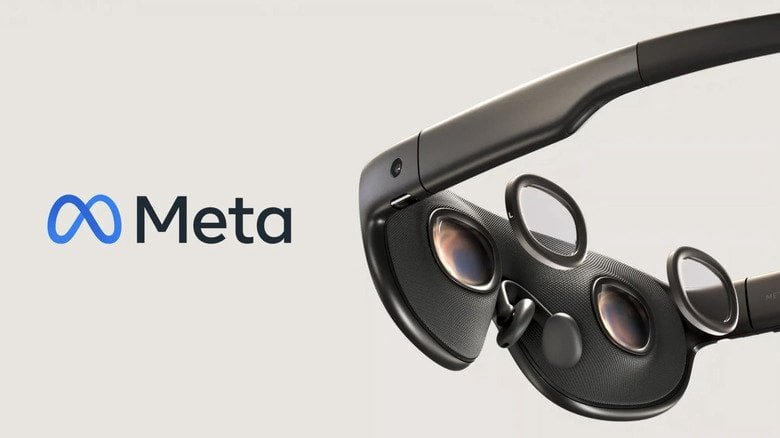
Specs are still a blank. The safe bet is that Phoenix lands among the first devices using the Snapdragon Reality Elite chip Qualcomm announced earlier this year, which was built for mixed reality headsets and designed specifically to support slimmed-down form factors.
New hardware, and the thin software behind it
A new class of headset probably means HorizonOS updates. The harder question is what Meta expects you to actually do on it.
The company has been shuttering VR studios left and right, so I doubt a major game announcement arrives alongside Phoenix. Entertainment looks like the likelier pitch. Meta was reported last year to be backing a new “3D horror series” based on A24’s Talk to Me, apparently meant for viewing in its headsets.
We may also hear more about the holographic avatars first shown two years ago with the Orion prototype. Meta said at the time that the technology would eventually reach virtual reality, and Qualcomm has since highlighted “photorealistic avatars” as a benefit of that same chip. An avatar of Meta’s CTO has been reported as a possible keynote appearance.
Those avatars feed the company’s shifting metaverse pitch. When Meta came close to shutting down Horizon Worlds in VR earlier this year, Bosworth said augmented reality was very much part of the company’s “expansive construct of the metaverse.”
AI, and the apps that never showed up
Recent Connects have been heavy on AI news, and this is the first one since the flood of releases out of Meta’s superintelligence group. Expect a lot of airtime for Muse, the company’s AI agent.
Meta teased that glasses support for Muse was coming “soon,” so more detail at Connect would follow the pattern. Agent features would also give camera-free frames something to sell.
The gap I want addressed is third-party apps. Meta announced a handful of them for its camera glasses at last year’s Connect and momentum since has been thin, though developers can now build dedicated apps for Meta Ray-Ban Display.
So here’s the thing worth counting on September 23. Not the millimeters shaved off a pair of frames, but how many third-party apps Meta can name on stage without “coming soon” attached to them.