
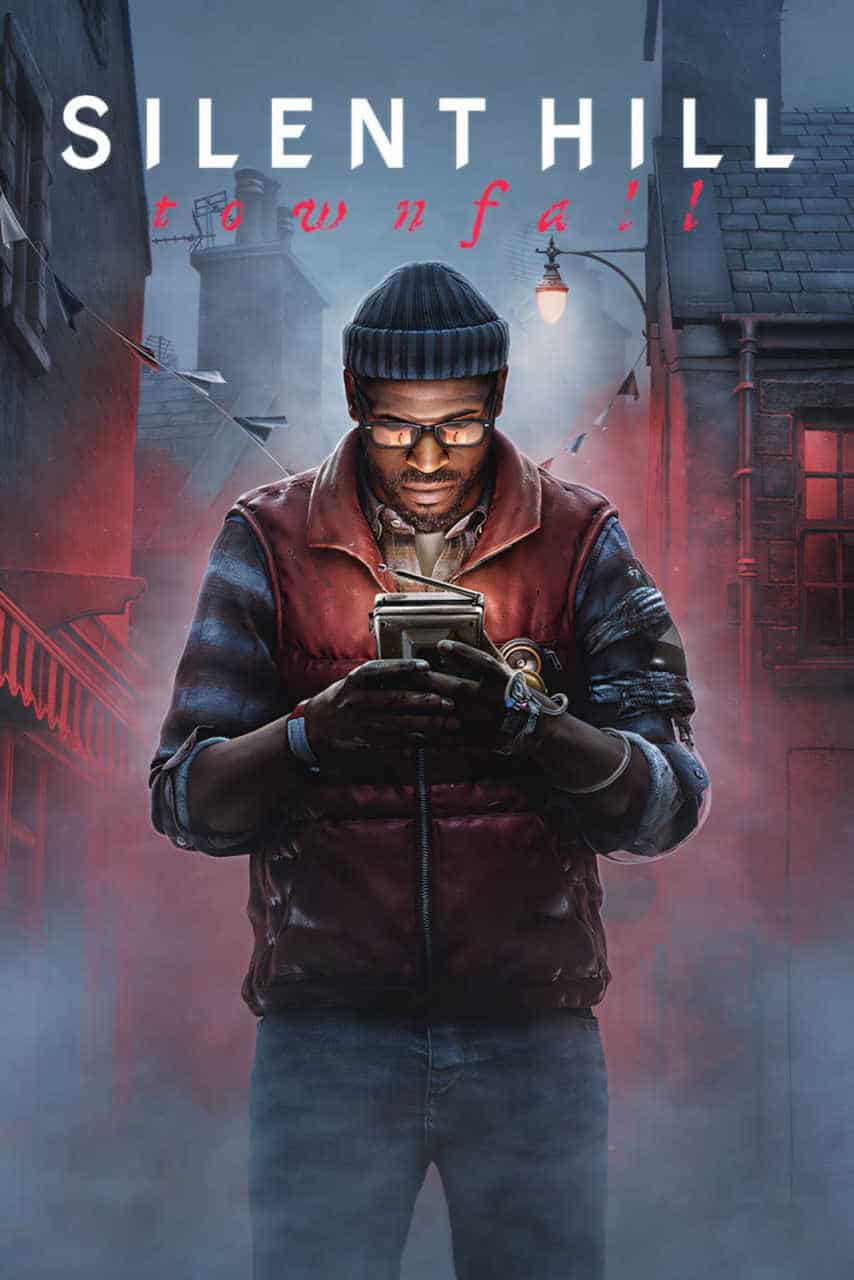
Simon Ordell wakes up in what should be a postcard Scottish seaside town, and then the fog rolls in. You know that fog. But Silent Hill: Townfall isn’t the game that fog has trained you to expect, and some longtime fans are going to be rattled by how far it strays.
The series has never been tied to one place, and the last two entries make that point loudly. Silent Hill f went to rural Japan in the 1960s. Townfall lands in St. Amelia, Scotland, in 1996, with a different era and a different set of stories for its team to pull from.
Simon spends the game trying to solve the mystery of a sleepy seaside town while dodging the horrors that come with it. There’s give-and-take in how it’s built, but the atmosphere is what carries Townfall over the line.

First person, a plank and a CRT handheld
Everything here is seen through Simon’s eyes. His kit is mostly detritus, plus a lo-fi CRT handheld that ends up doing more work than any gun would.
His weaponry is thin. He starts with a big plank that doubles as a shield and something to swing, and it isn’t the tool you want for a head-on brawl with a crowd. That’s fine, because Townfall is a more relaxed experience and rarely asks you to fight that way. Exploration, puzzle-solving, navigation and light stealth and combat are the priorities.
That vibe sets it apart even from the lower-key Silent Hill games, so set your expectations before you go in. I had a blast mapping out St. Amelia, learning its ins and outs while piecing together Simon’s backstory and the handful of other people still around after the fog swallowed the town.
Puzzles that refuse to hold your hand
The smaller, more intimate setting makes room for a handful of smart puzzles, most of them about finding keys for various locks. Some are a bit out-there and demand real critical thinking. One early puzzle has almost no signposting and expects you to use the CRTV to pull a lock combination out of multiple vague photos.
After so many games that breadcrumb every step, that was a refreshing change of pace, especially when it came time to crack that particular puzzle. Old-school adventure game fans will find a lot to love here, even if classic Silent Hill fans grumble about it.
A small town that behaves like a maze
St. Amelia is small-ish, but it’s labyrinthine. Plenty of routes are locked off at the start and open up through story progression or optional means, like breaking or unlatching locks. You find your way with a lifelike map brochure that pops out at the touch of a button.
Simon leaves various markings on it to hint at where he needs to go, but they often offer no further instruction. That relaxed format means you explore at your own pace, turning up healing items and keys that may pay off later. Running and hiding is a legitimate option too, and with enemy encounters typically sparing, the ones you do get land with some tension.
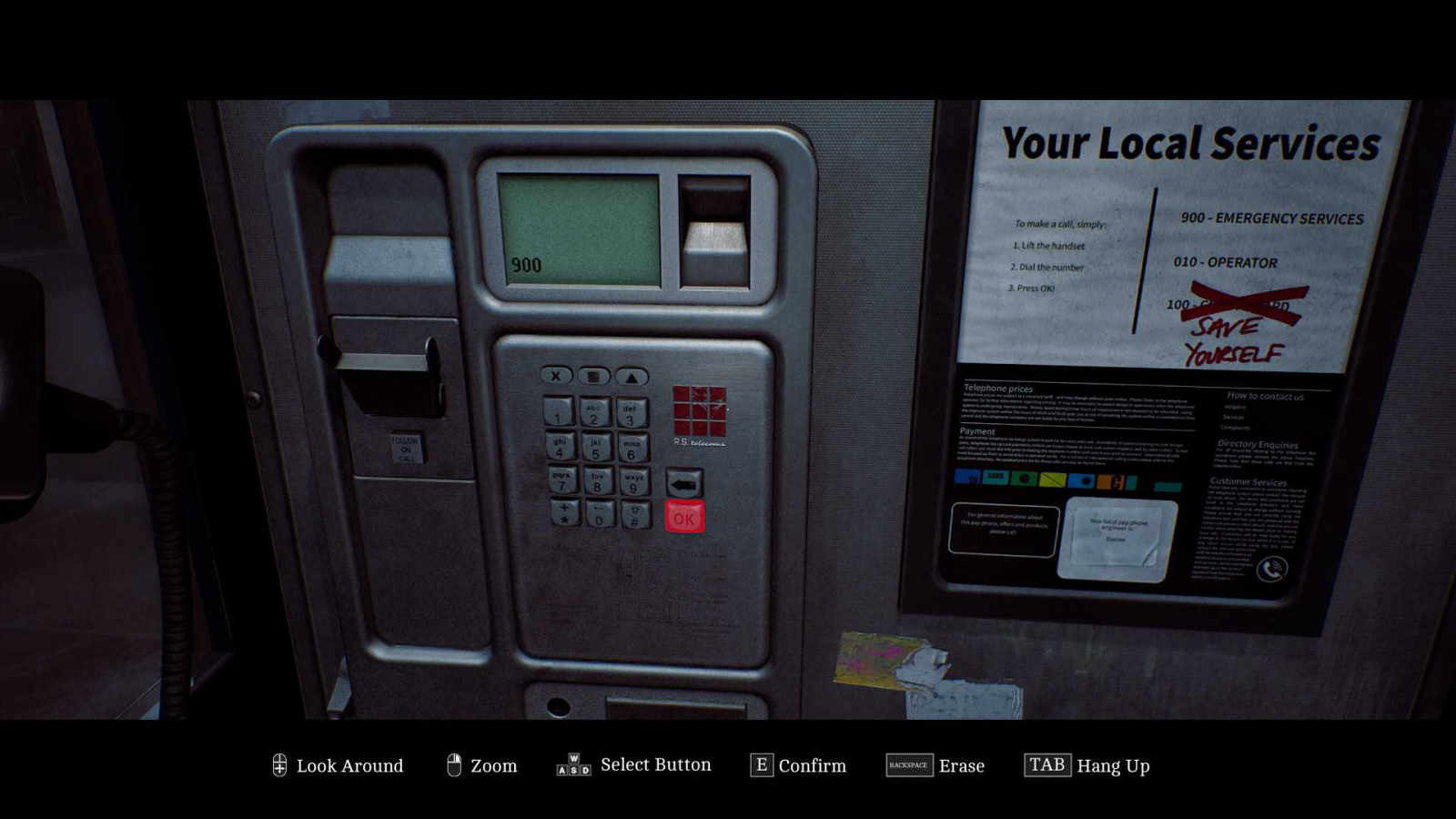
One moment stuck with me. I sprinted full speed down a market street into a family clinic with an abomination on my heels, slammed the door and locked it while they banged on the window. Then I used a phone number I’d found in another puzzle, called someone and got a lead on where to go next.
Built on a real place, and it shows
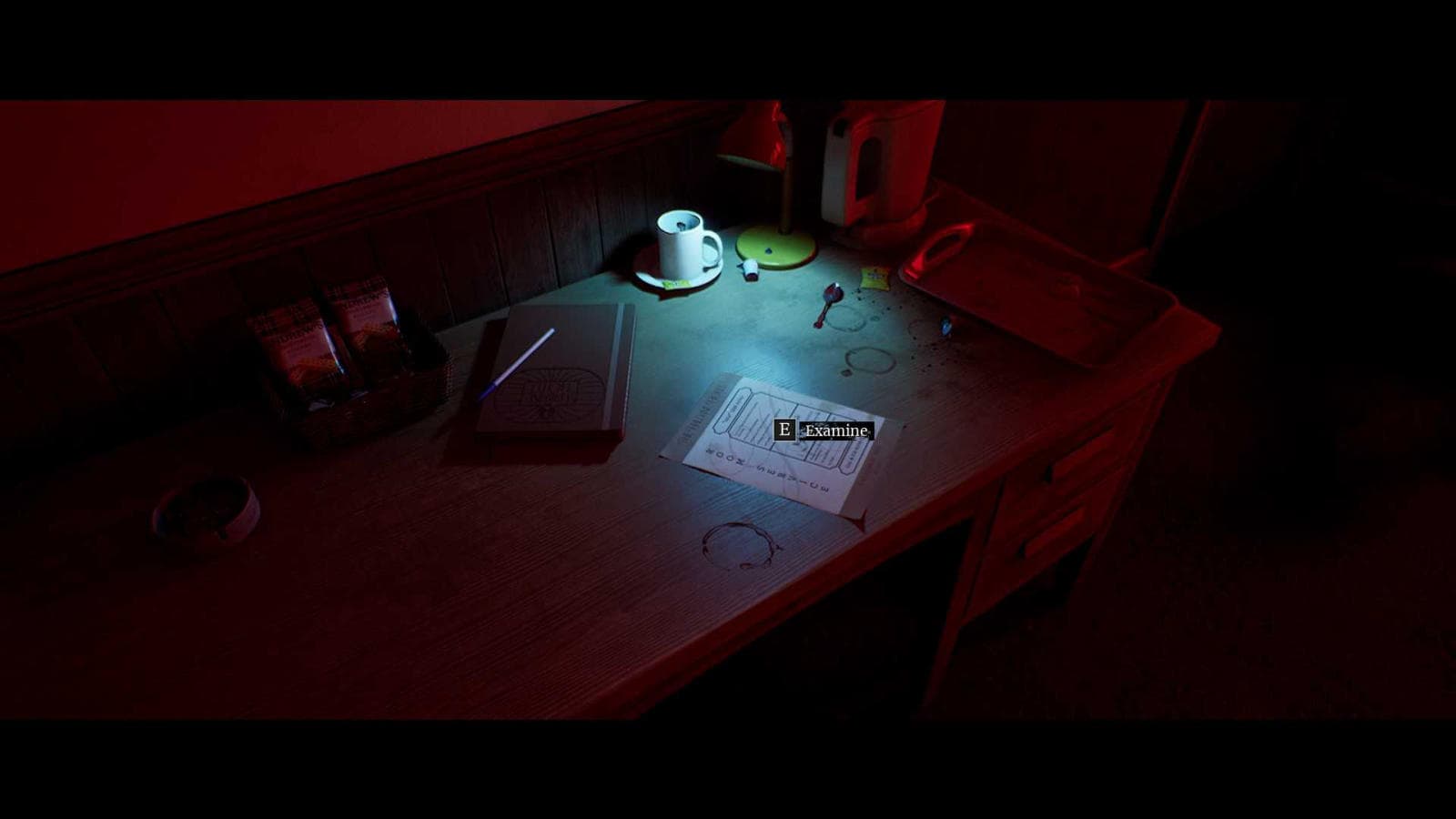
Progression in Townfall feels organic despite a stringent chapter-based structure running underneath. The town itself is lovely and a welcome break from the bloated open-world format so many other AAA projects default to. It’s based on a real Scottish town, St Monans, and that grounding comes through. It has earned its place in the Silent Hill canon.
The format does come with trade-offs. Things drag at times, and select revelations after a lengthy puzzle session aren’t as enlightening as they should be. The 1996 setting does some heavy lifting, and it’s clear the team cares about it and built it directly into the narrative.
Score-wise, it’s sevens across the board. Story earns a 7: a more intimate and fresh setting makes up for a few other shortcomings. Gameplay gets a 7, with straightforward mechanics bolstered by fun exploration and easy-going puzzles. Visuals sit at 7, lacking in some areas while the core town is beautifully crafted. Audio rounds it out at 7, since the dialogue isn’t remarkable but the sound design excels.
The slower presentation might turn off a lot of fans, and it doesn’t always work. But it worked well enough that I went straight back through the game after finishing it. If you want a new survival horror game and you’re fine with first-person scares, Silent Hill: Townfall is a conditional recommendation waiting in the wings. Just don’t expect a classic Silent Hill experience, as far as mainline entries go.