

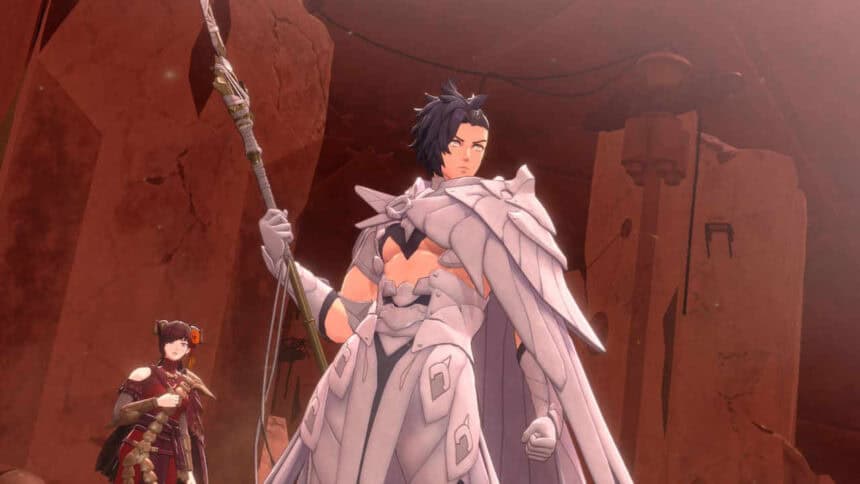
Behind those Kurahana-illustrated eyes lives the soul of a classic Fire Emblem game.
Fire Emblem: Fortune’s Weave has all the trappings of a modern entry, sure. The Engage-style personal skills are here. So are the social elements Three Houses made standard. But this is Intelligent Systems at its most confident, and the reason is simple: the studio has finally found a way to harmonize its classic systems with what players expect now.

You could’ve told me Fortune’s Weave was Intelligent Systems’ anniversary project and I’d believe it. The game is crammed with little homages pulled from across the series, each one tweaked to function more like an evolution than a callback. Proof of how far Fire Emblem has come in 30 years.
Fewer supports, better supports
The biggest homage is how characters relate to each other. Gone are the days where every character needs a dozen support conversation partners and a roster of romance interests.
Not that the old approach was always bad. Fates and Three Houses had quite a few excellent pairings. But a lot of them felt forced, like Intelligent Systems was overcompensating for how dull and limited Radiant Dawn’s supports were back in 2006.
Fortune’s Weave calls to mind the Game Boy Advance era instead. Every character gets a handful of support conversations with people who truly matter to them: colleagues, family members, rivals, occasionally a random clash of two big personalities. Romance exists, but it and the manufacture of time-traveling baby warriors aren’t the only thing on the menu.
It even does my favorite trick from that early ’00s stretch of the series. A handful of random, mysterious outlier characters show up with excellent stats and great designs that make you want to know more about them (think Legault or Farina), and then they get maybe five conversation partners if you’re lucky.
Relationships feel more intimate and meaningful this way. They’re not lore dumps. You don’t have to tell me everything about every character’s life! Just the bits that mean something to their story, please.
And the payoff is worth it. Even Nuzzuo, who has exactly one support chat with exactly one person, benefits from the depth it brings him, which you’d never otherwise get from his brief appearance in Cai’s path.
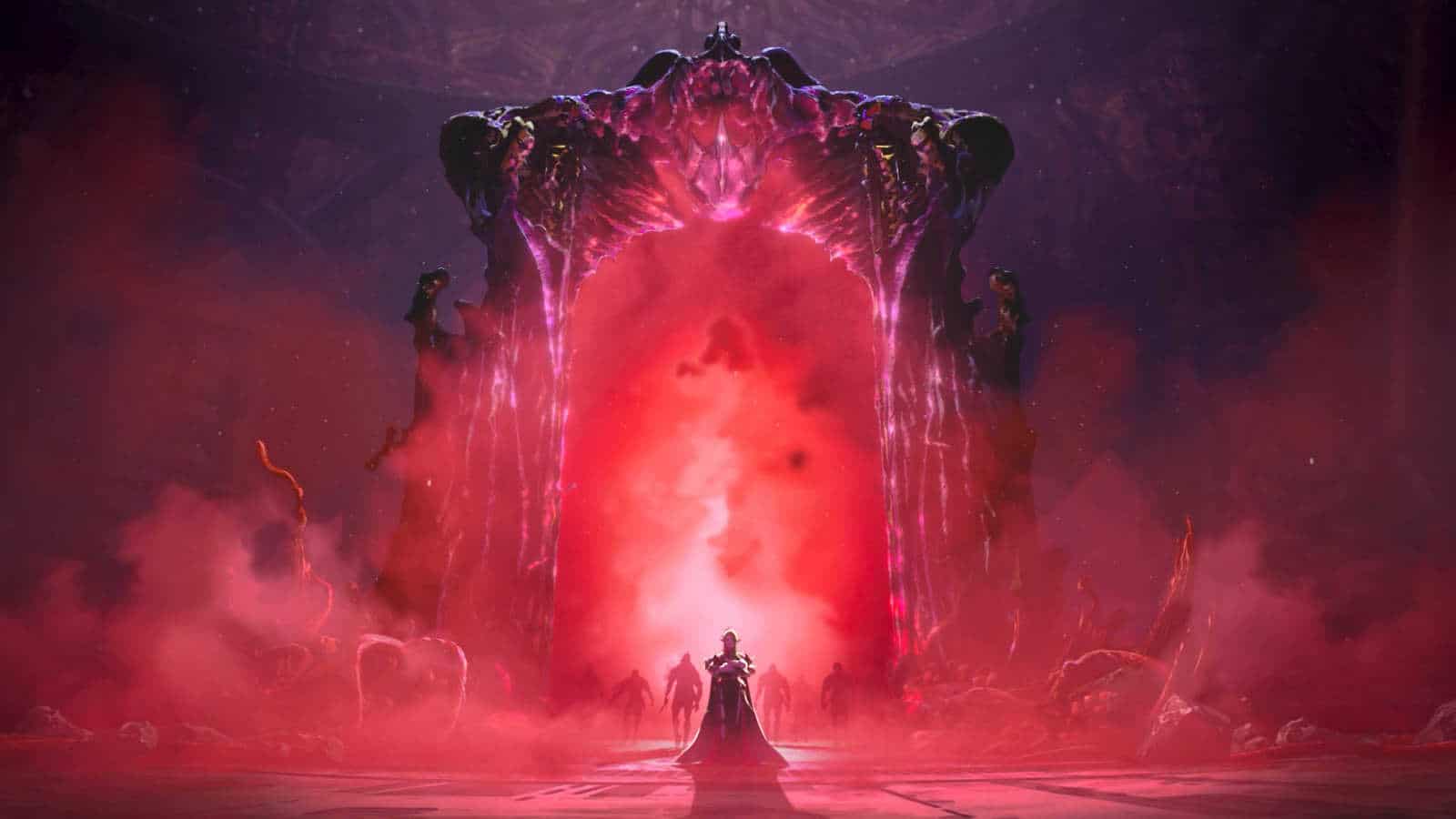
An underworld with a family tree
The underworld plot deserves its own shout-out. Undead monsters and evil netherworld lords are hardly new to Fire Emblem, but I was always disappointed by how impersonal they tended to feel. Only 2004’s Sacred Stones managed to weave personality in with the netherworld material.
Fortune’s Weave pulls it off too, turning the whole thing into a twisted family drama that traces back to Sothis’ arrival centuries before. The plot is elevated so much for it.
Giving undead enemies special powers also adds the sense of challenge you were supposed to feel going up against skeleton armies in Sacred Stones, but only got once the giant zombie dragons showed up.
Fog of war that finally bites
Then there’s limited vision. Three Houses and Engage had fog of war to an extent, but their maps were a far cry from the memorable likes of Blazing Blade’s “Battle before Dawn” or some of Radiant Dawn’s tougher stages. The tension just wasn’t there.
The fog maps in Fortune’s Weave carry a sense of danger, even the smaller skirmish-type ones. Enemies behave brutally, seeking out the targets they’re effective against and surrounding them. Not knowing where they are or what they’re packing feels like a serious threat.

There’s a blessing to mitigate restricted vision if you find it’s making things too hard. More importantly, a small network of other interactions makes these low-vis maps more interesting than the earlier ones that inspired them. Discovering an enemy leaves them confused for a turn, which means they can’t counterattack. A set of accessories grants extra buffs when you attack confused enemies.
So the play becomes: invoke the blessing, expand your vision, confuse a whole mob, then sweep in and demolish them.
Killing the weapon triangle was overdue
In the same vein, doing away with the weapon triangle and durability may look like concessions to modernity. I see it as a long-overdue improvement.
Building functions into weapons instead of classes, so axes always hit hard at the cost of accuracy and swords get stronger on follow-ups, leaves more room for strategic flexibility. The result is the same, in essence. You’re still thinking about which character’s skills work best with your chosen weapons and who needs to be nearby to support them.
But you have so many more options for what that looks like, instead of running the same swordmasters, knights and paladins the same way every time.
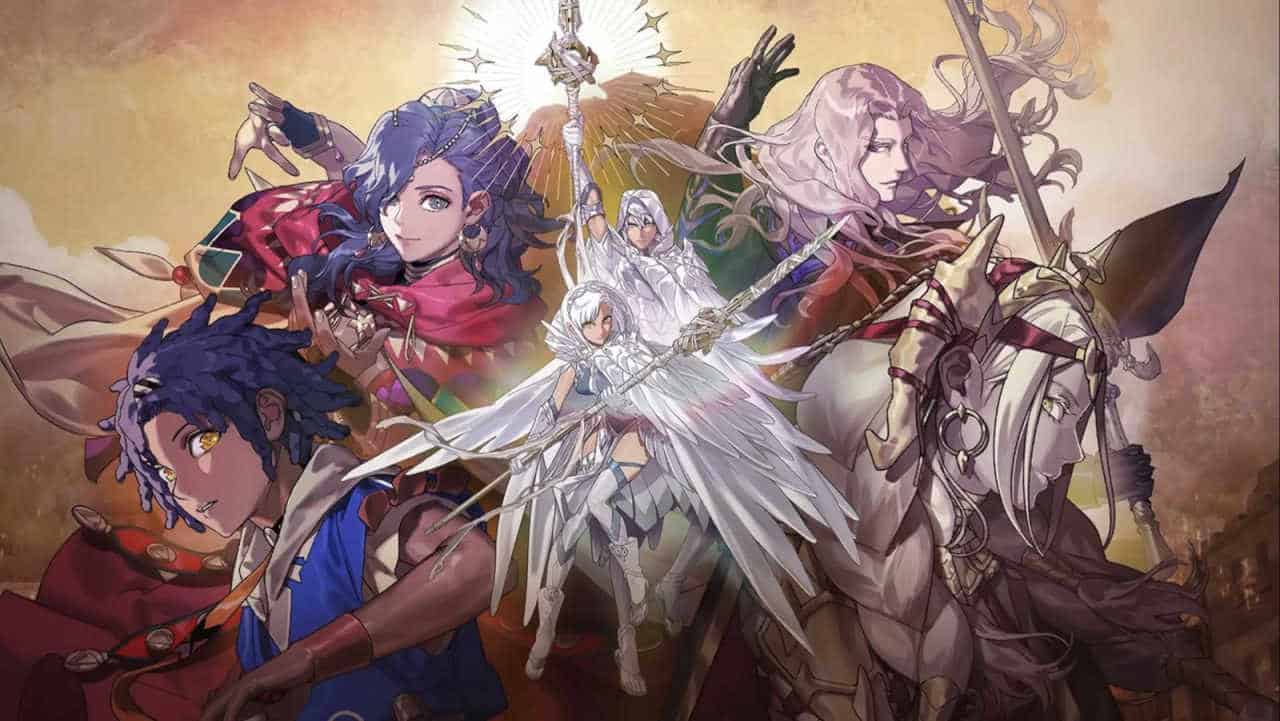
After years of experiments like weapon wear and the debuffs on strong weapons in Fates, Fortune’s Weave plays like Intelligent Systems finally figured out how to make its classic systems work in a modern setting. It’s an exceptional achievement for the studio, and for the tactical RPG genre on the whole.