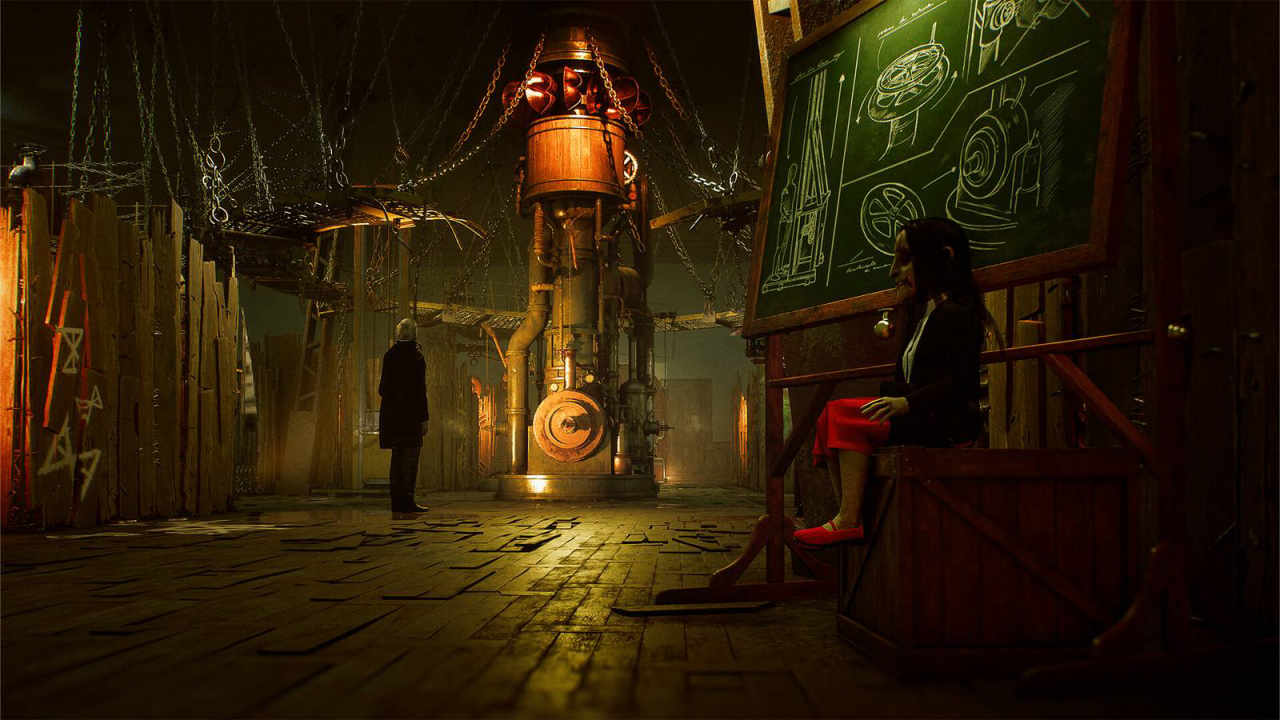

Somewhere in the ruins of post-World War I Europe, three people wake up inside a labyrinth they didn’t build. Keys are hidden, supplies are scarce and the clock is running. One of them is stuck in a trap and has to decide whether an arm is worth more than getting out.
Watching the moment on a screen isn’t the job anymore. You’re the one making the call.
That’s SAW: Genesis, and it’s the strangest move the franchise has made in more than 20 years. The Saw prequel isn’t a movie. It’s an asymmetrical multiplayer game built on 3v1 matches, with three players as the Accused and one as the Judge.
Jigsaw’s philosophy has an older owner
The setting is the part that surprised me most. Genesis takes place roughly a century before John Kramer starts running his own victims through Jigsaw’s infamous tests, which puts it further back in the timeline than any previous Saw story.
Nobody wears the pig mask here. The Judge is at the center instead, a figure shaped by experiences in the Great War who comes to believe humanity can be “rehabilitated” through pain and sacrifice. The Judge builds deadly trials for the Accused, full of traps, hard moral choices and survival that can come at an enormous cost.
Bloober Team describes the Judge as an early architect of the philosophy that would eventually influence Jigsaw. That’s a smart workaround. The game gets to expand the mythology without touching Kramer’s established origin, and it finally offers some context for how this whole mess started.
What happens when you can’t just watch
The movies run on suspense, gruesome practical effects and carefully built reveals. Genesis takes those horror tropes and turns them into systems that play out differently every match.
The maps are procedurally generated. The Accused have to cooperate to solve challenges, scavenge supplies and find keys, all before time runs out. The Judge works from the shadows with hidden passages, toxins, traps and even an Accomplice to manipulate everyone else. (Accomplices are about as Saw as it gets, given how many of Kramer’s secret helpers the films have revealed.)
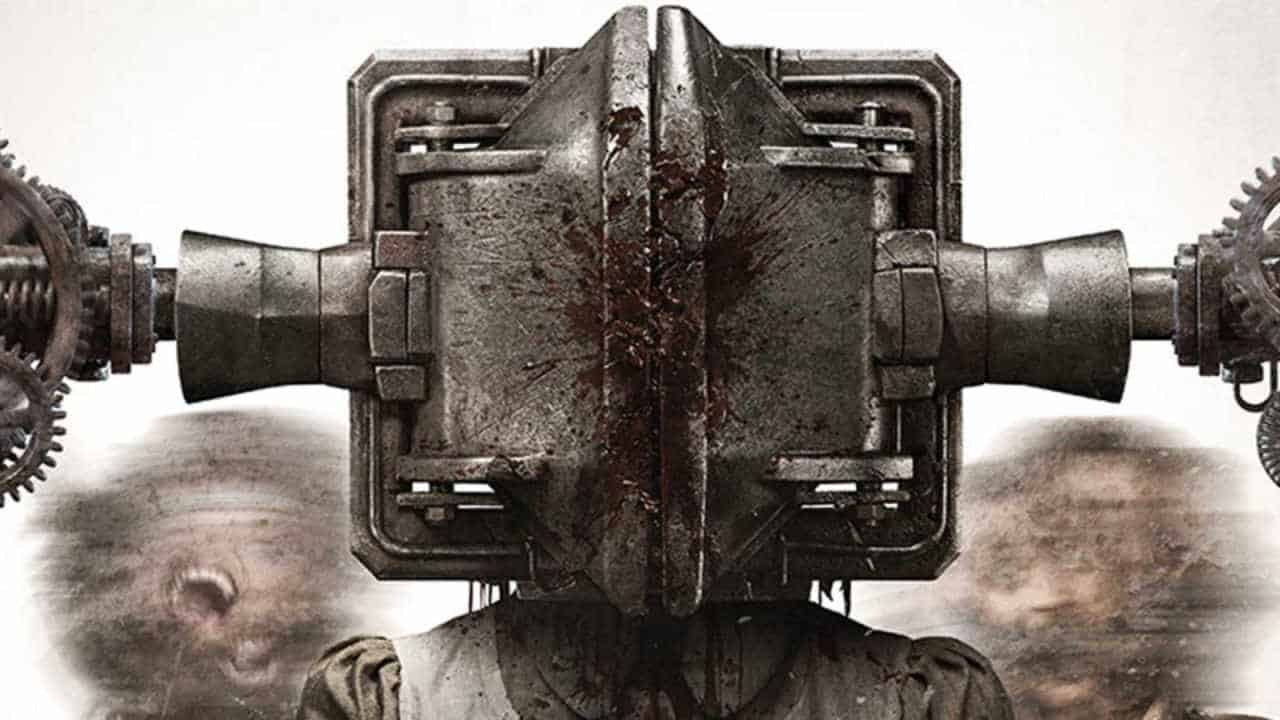
And then there’s the most Saw thing possible: a permanent sacrifice. Players caught in Rehabilitation Traps may have to give up a body part to escape. Losing an arm or a leg then affects how well you solve puzzles, fight or move.
The Judge doesn’t get off easy either. Most asymmetrical horror games treat the villain as close to untouchable, but this one is physically vulnerable and can get hurt.
Ten movies of Jigsaw lead here
It’s worth remembering how far the series has already drifted. James Wan’s 2004 original was a fairly simple grim mystery: two men trapped in a bathroom, facing a gruesome choice. Nine more movies followed, each adding to a mythology of apprentices, secret accomplices, overlapping timelines and increasingly elaborate “games.”
Even after Kramer died, the franchise kept finding ways back to him with flashbacks, victims we’d never seen and new characters who borrowed his methods. So a prequel isn’t a shock. A prequel you play with two friends and a stranger who wants you dead is new territory.
It’s an interesting new take on what Saw can be. Whether it pulls in longtime fans, newcomers or both is still an open question.

When you can play it
Bloober Team’s Broken Mirror Games and Anshar Studios are co-developing SAW: Genesis, and Bloober Team is publishing. After a recent delay, the game is now set to enter Early Access in Q1 2027. PC is the only confirmed platform so far.
So the game starts in a trench-scarred world a hundred years before Kramer, where the first rule of Jigsaw’s philosophy was already in place: getting out might cost you a limb.