 George Tsagkarakis

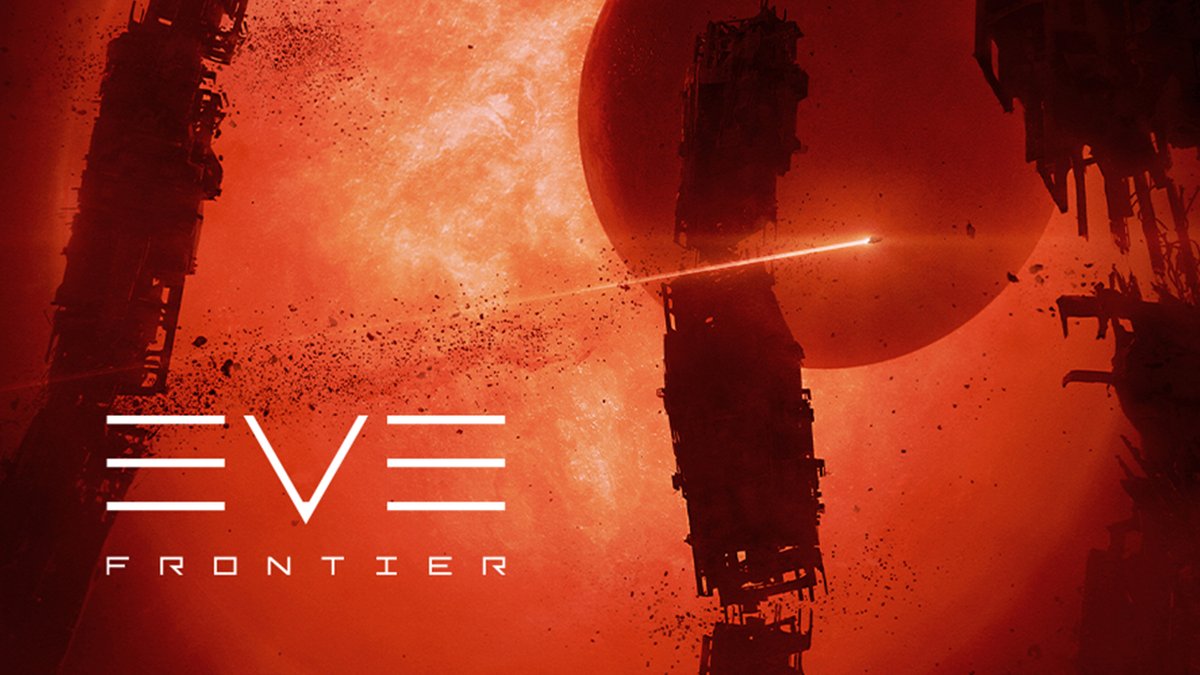
Fenris Creations has rebuilt manufacturing in EVE Frontier (official site), its space survival game, with a system called Digital Chemistry. The properties of the raw materials players mine now decide how well the equipment made from them performs. The change is part of the game’s mid-cycle update.
Until now, crafting used fixed recipes, and those recipes turned out identical items. Under Digital Chemistry, two batches of the same material can differ in density, conductivity and strength. Those differences carry through manufacturing into the finished components and modules.
What changes for players
Fenris uses mining equipment as its example. The properties of mined silicates affect the optics made from them. Those optics go into a lens, and the lens’s characteristics affect mining output, operating cycles and energy requirements. Two players with equipment that looks alike could get different results because their components came from different materials.
Fixed blueprints are gone. Their replacement is schemas, which accept any input that meets specified characteristics. Manufacturers can swap one material for another as long as its properties meet the requirements. If a material gets expensive or scarce, production doesn’t have to stop when a suitable alternative exists, though changing the input may change the finished product.
Fenris has not added universal quality grades. A property that helps one component can be wrong for another, and high density, for example, does not automatically make a material better. Buyers could end up shopping for particular specifications instead of the top tier or the cheapest option, and manufacturers could specialise in components suited to particular activities or customers.
Location, transport and risk
Fenris expects to spread wider material variations across the universe, which could give some regions an edge in producing certain equipment. The studio’s example is exceptional silicates supporting better lenses, with the lens’s eventual selling price also reflecting shipping costs.
For players, the question goes beyond whether premium equipment performs better. Its extra output has to justify the cost and risk of getting hold of it. That fits the game’s wider economic design, where fuel consumption makes movement and activity consequential. Moving valuable inputs costs resources, and dangerous routes mean the cargo can be lost.
For alliances, the opening is to link resource discovery, extraction, manufacturing and transport. A good deposit could be worth more to a group that also has the expertise and infrastructure to turn it into equipment people want.
Also in the update
The mid-cycle update also adds:
- the EREV exploration ship
- the VATRA hauler
- three-dimensional module fitting
Full modular shipbuilding is planned for Cycle 8. Fenris intends material quality to affect ship sections as the system expands.