


Legends of Elumia
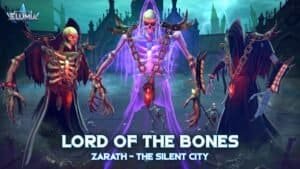
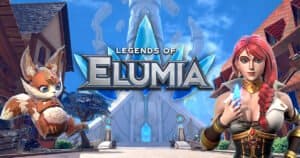
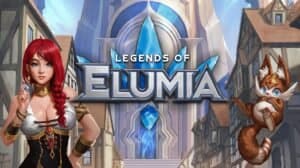
The next generation MMO is here. Elumia is a P2E metaverse where you collect, create, and play NFTs in a 3D multiplayer action RPG. Holders of Official Presale Passes will get exclusive early access to Legends of Elumia NFT Drop and the next two NFT drops. In addition, each pass will be able to claim (for free) o… Read more
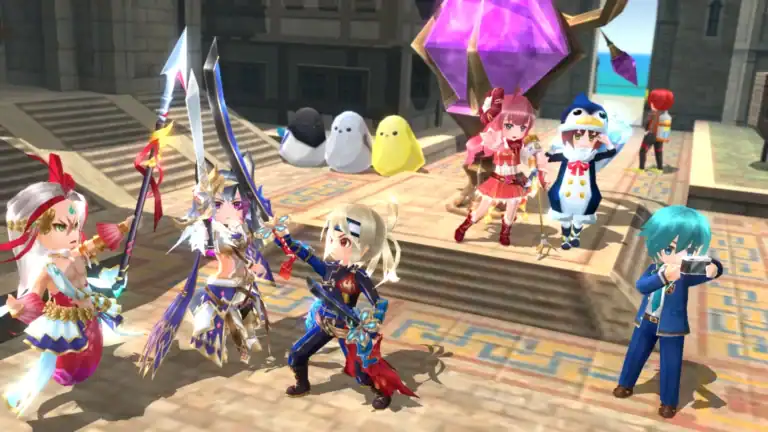
The next generation MMO is here. Elumia is a P2E metaverse where you collect, create, and play NFTs in a 3D multiplayer action RPG. Holders of Official Presale Passes will get exclusive early access to Legends of Elumia NFT Drop and the next two NFT drops. In addition, each pass will be able to claim (for free) one of Legends of Elumia limited edition, genesis character skin NFT when participating in the drop.
Owners
13
Items
1.0k
Royalty
1%
24h
7d
30d
Contracts
Polygon
0x2953…4963
Activity by time period
Period
Volume
Sales
Avg Price
Volume / day
Δ vs prior
24h
—
—
—
—
—
7d
—
—
—
—
—
30d
—
—
—
—
—
"Volume / day" divides each period's total volume by its length, so 24h is directly comparable to a 7d or 30d daily-average. If the 24h rate is higher than the 30d rate, the collection is heating up.
Momentum — volume per day