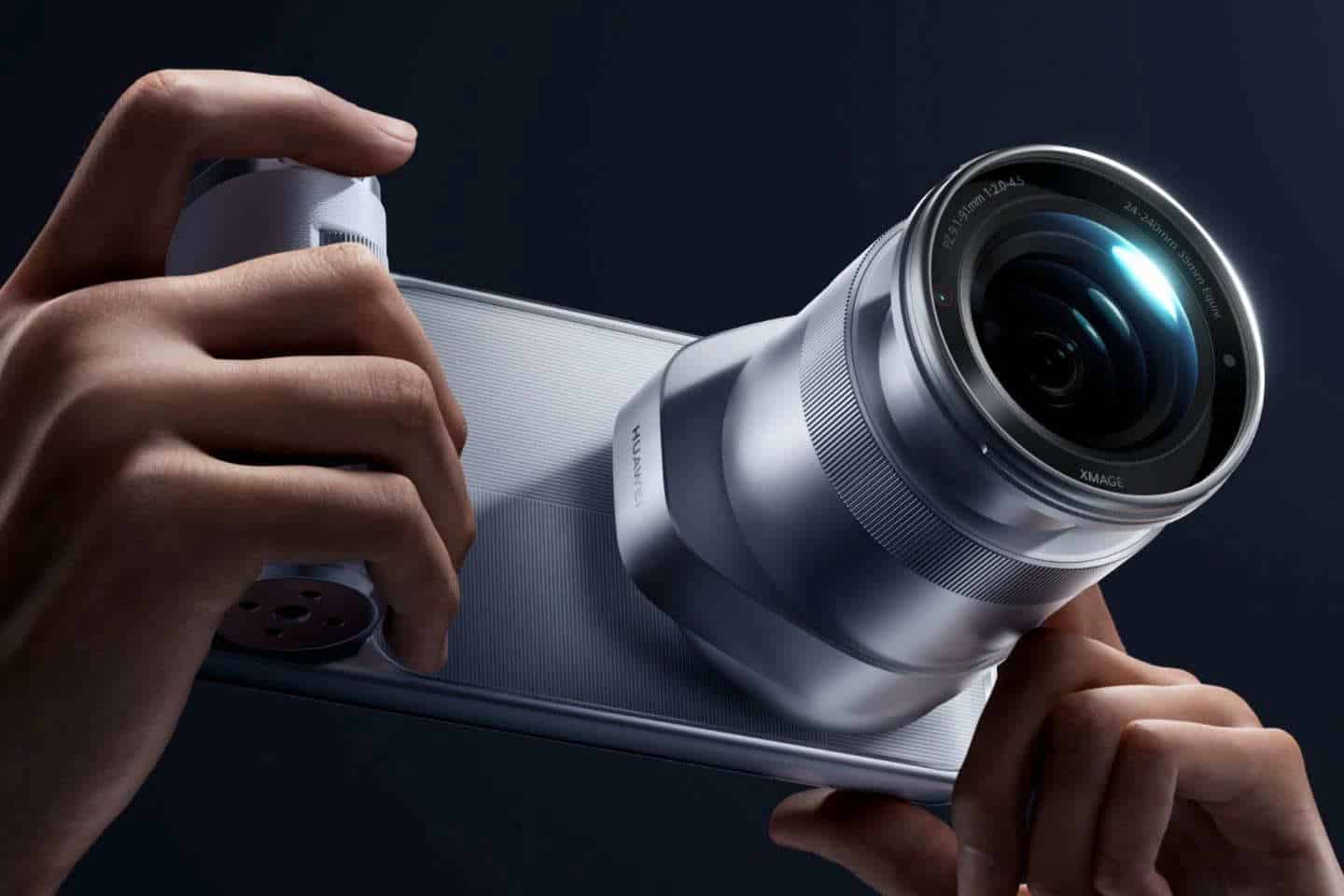

Huawei’s newest phone accessory has a bigger image sensor than the phone it attaches to. That one detail says most of what you need to know about the Ruiying Z10, a 24-240mm zoom lens for the Mate 90 Pro Max that also carries its own sensor.
The Z10 is effectively a standalone camera. The phone supplies power, processing and software.
A teleconverter with its own sensor
Clip-on “teleconverter” lenses aren’t new. Over the last few years, Chinese Android makers have followed Vivo in selling add-on lenses for their flagships, letting those phones shoot at distances their built-in cameras can’t reach.
Those earlier add-ons were only glass, and each had a fixed focal length. The Z10 adds a 1-inch-type, 50-megapixel RYYB sensor, which is larger than any sensor in the Mate 90 Pro Max. So when you attach it, you aren’t just putting better optics in front of the phone’s camera. You’re replacing the camera.
It’s also a true zoom. The Z10 covers 24-240mm with a variable aperture of f/2.0-f/4.5, so you get a range of focal lengths from one piece of hardware instead of a single fixed reach.
Big, but smaller than a mirrorless camera
The obvious problem is size. The Z10 is enormous, even next to other teleconverters, and it won’t fit in your pocket.
Look at it from the other direction, though. It weighs 346g, which still makes it smaller and easier to carry than most mirrorless cameras. And it’ll probably get you into concerts and sports matches where dedicated cameras aren’t allowed. Getting real 240mm reach past a venue’s camera ban could be the most convincing reason to own one.
Huawei also seems to have designed the lens to mount straight onto compatible phones. You don’t need a separate case to give it something to attach to, which is one less thing to carry.
The price is a phone’s worth
The Z10 costs ¥5,999 (around $895). That’s more than some flagship phones cost, and you’ll be paying it on top of a phone that already sits at the top of Huawei’s range.
Compatibility is narrow, too. Huawei said the Z10 works with the collector’s edition of the Mate 90 Pro Max and with the Mate 90 RS variant. Those are the only two models in the new Mate 90 series with a screw-mount around the camera island.
The phones are already well equipped
Those two phones don’t need much help to begin with. The main camera is a 50-megapixel unit with a variable f/1.4-f/4.0 aperture and a 1/1.28-inch-type sensor. Next to it is a 200-megapixel 4x periscope telephoto with a sensor of the same size, plus a 40-megapixel ultrawide.
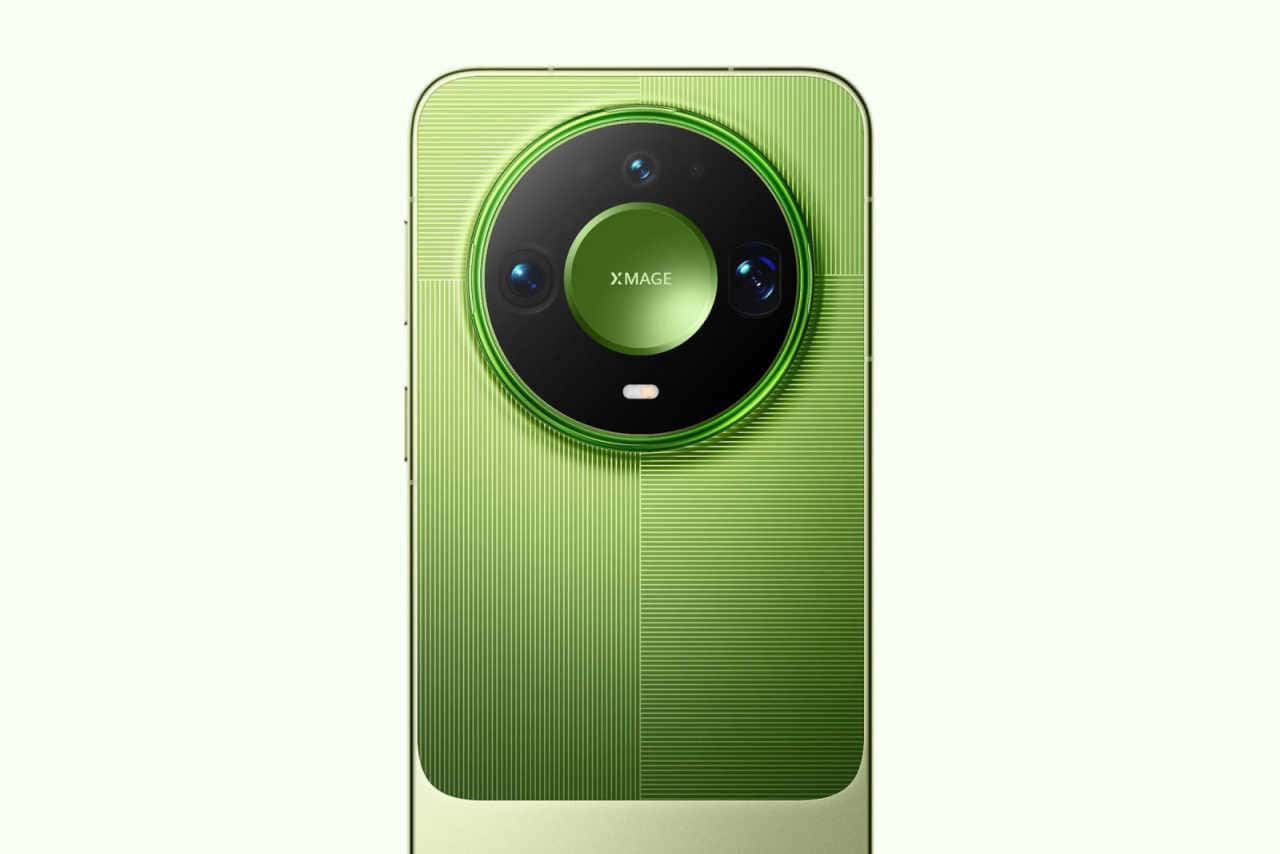
The rest of the spec sheet matches. There’s a 6.9-inch OLED display rated for 12,000 nits of peak brightness, a 6,800mAh battery and Huawei’s own Kirin 9050 Pro chip. The standard Mate 90 and Mate 90 Pro are slightly smaller and have pared-back specs across the board. Neither has the screw-mount, so neither can take the Z10.
That makes the Z10 a narrow purchase. It’s for owners of one of two top-tier Mate 90 models who’d rather carry 346g of zoom lens to the stadium than a mirrorless body that might get turned away at the gate. If you don’t fit that description, the 4x periscope on the phone will cover most of what you shoot.