
Two hours. That’s the daily ceiling Meta has agreed to put on teen accounts across Facebook and Instagram in the US, and it’s the part of this settlement that will actually be felt by the people it’s aimed at.
The rest of the agreement reads like a compliance document. This part reads like a curfew.
What Meta actually signed
Meta agreed to sweeping changes for teens as part of a child safety settlement reached with attorneys general across the US. Under the agreement, the company must apply new safeguards on Instagram and Facebook that change how teens interact with both platforms and restrict their use during certain times.
The settlement stems from a nationwide lawsuit alleging Meta, Google, TikTok and Snap failed to protect children and made their platforms “addictive” by design. A group of 51 US states and territories signed the agreement, including New York, New Jersey, California, Nevada, South Carolina, Washington, Illinois and many more.
Most of these protections are required to stay in place for at least 10 years. That’s the number worth sitting with. Product policies at this company usually have the shelf life of a beta feature. A decade-long commitment enforced by 51 attorneys general is a different animal.
Where the rules don’t apply
The changes are coming to Facebook and Instagram in every US state except two. New Mexico is in the middle of its own legal battle with Meta. Florida already banned kids under 14 from creating social media accounts, so the state sits outside this deal entirely.
Texas struck a separate settlement with Meta carrying similar requirements.
So if you’re a parent trying to work out whether your kid’s account changes, the answer depends on your zip code. That’s an awkward outcome for a settlement pitched as nationwide.
The safeguards Meta says it’s keeping
Meta has committed to holding onto several protections it already runs. All teens go into more private accounts by default. “Potentially suspicious adults” are blocked from messaging them. Adults have a harder time finding, following or interacting with young users.
The company also said it will keep its age-appropriate content restrictions, which hide posts containing nudity, sexual content, strong language or risky stunts from teens.
None of that is new. It’s existing policy, now locked down by legal agreement instead of a blog post. Whether you find that reassuring depends on how much weight you gave the blog post.
The $17.1 billion asterisk
Meta must pay $17.1 billion to states over 10 years. But $5.3 billion of that only gets paid under conditions Meta doesn’t control.
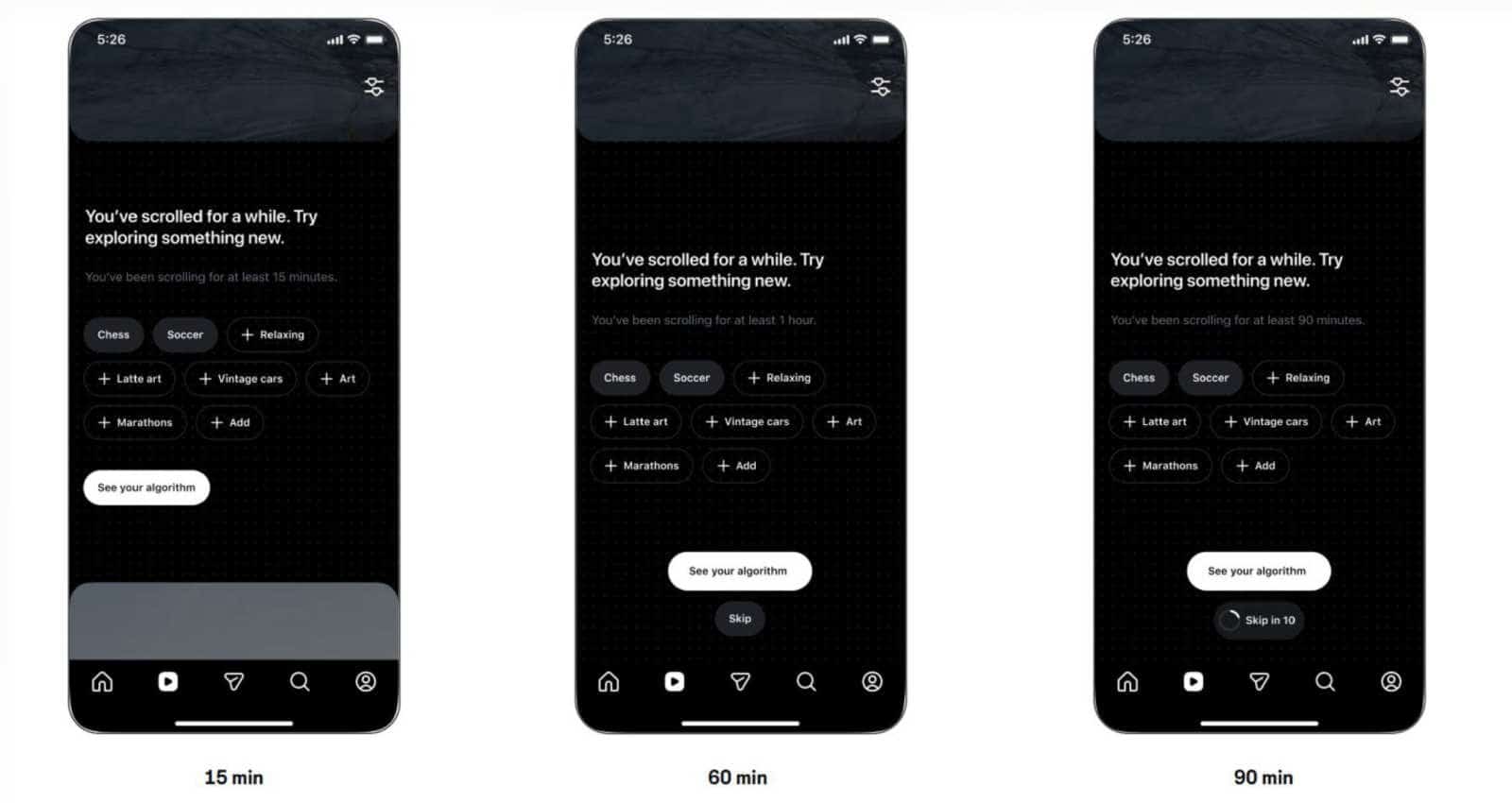
The company said it will hand over that $5.3 billion only if TikTok and YouTube pay the same amount, implement a daily time limit for teens, add restrictions at night and roll out age assurance measures.
Meta is openly calling on both companies to follow, saying “these protections will only be truly effective if we work with our peers.”
Read that plainly. Meta has attached roughly 31 percent of its own settlement payment to the behavior of two competitors who never signed anything. It’s a clever piece of negotiating, and it puts public pressure on TikTok and YouTube at no cost if they ignore it.
What to watch for on your kid’s phone
If you manage a teen’s account, the two-hour limit and the nighttime restrictions are the changes that will produce arguments at your dinner table. Everything else happens invisibly in account settings most teens never open.
Check which state you’re in first. If it’s New Mexico or Florida, none of this lands, and the conversation you need to have with your kid is the one you were going to have anyway.