
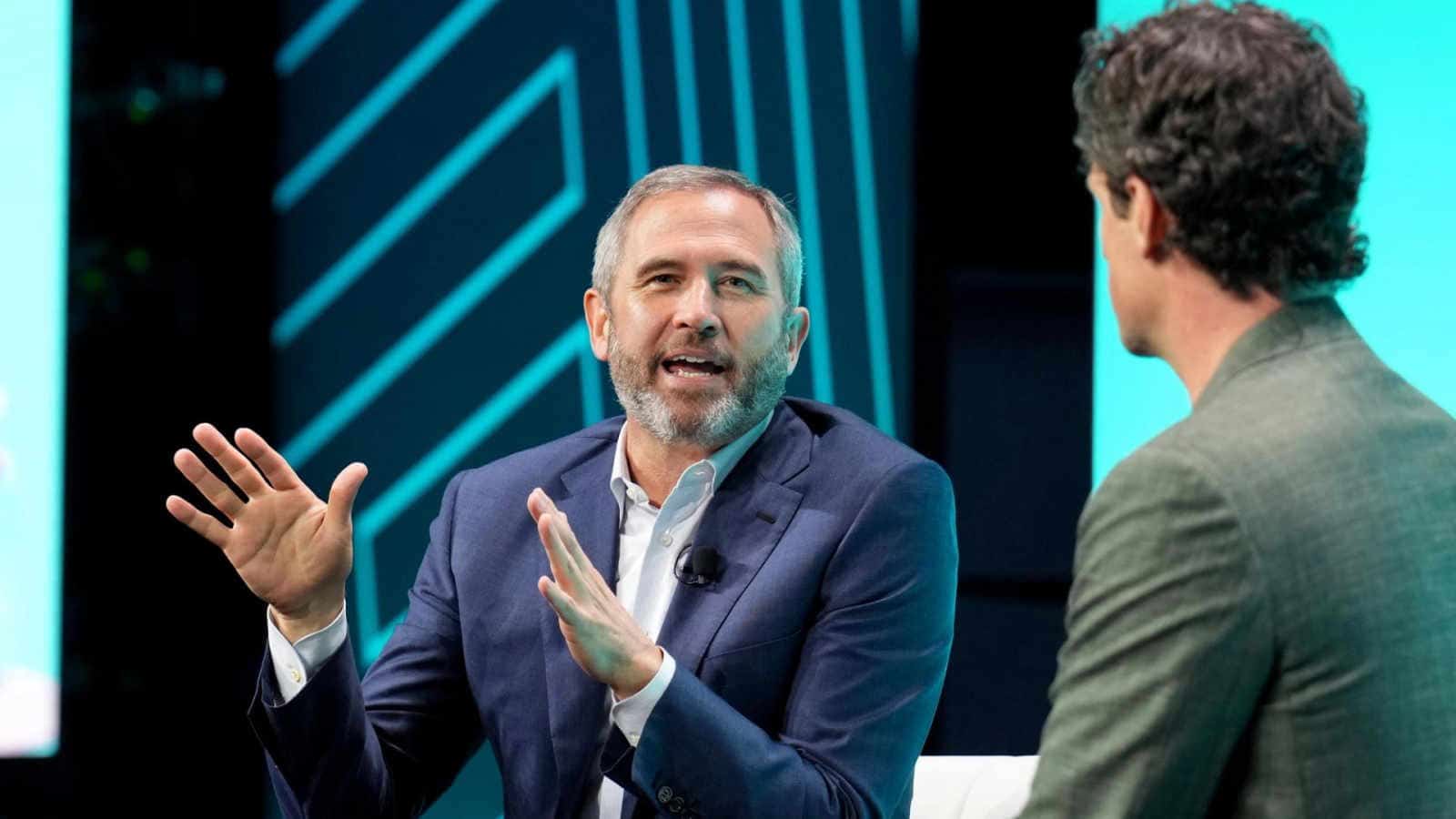

Three years ago, a $275 million debt raise from a crypto company would have been a story about survival. This one isn’t. Ripple upsized a private placement of senior unsecured notes to $275 million through Ripple Prime, its non-bank prime brokerage, and the paper came out of the process with an investment-grade rating.
That last part matters more than the headline number.
Credit analysis agency KBRA assigned the notes a BBB rating, consistent with the issuer rating it had previously given Ripple Prime. BBB is the bottom rung of investment grade, not a gold star, but it’s a rung most crypto-adjacent balance sheets never reach at all. Bond desks that can’t touch anything sub-investment-grade can touch this.
Where the money actually goes
Ripple said on Tuesday the proceeds are earmarked for working capital and general corporate purposes as Ripple Prime builds out its U.S. clearing, prime brokerage and financing services. Piper Sandler acted as lead placement agent.
“Working capital and general corporate purposes” is boilerplate, and I’d normally roll past it. But for a prime broker it’s closer to literal than it sounds. Financing services means extending credit against collateral, and extending credit means you need capital sitting on the books doing nothing except being available. Debt is a reasonable way to get it.
The equity round came first, and it was cheaper
In May, Ripple raised $200 million from global investment firm Neuberger Berman at a $40 billion valuation, also to expand Ripple Prime. Now it’s back four months later taking on debt instead.
Companies that can raise equity at $40 billion don’t usually rush to issue notes unless the notes are cheaper, faster or both. Prime brokerage is a balance-sheet business, and diluting shareholders to fund a lending book is an expensive way to run one.
Hidden Road is the whole story here
Ripple bought the prime-brokerage firm Hidden Road for $1.25 billion in April, one of the largest deals in the history of the cryptocurrency industry. It rebranded the business as Ripple Prime in 2025.
Since then, Ripple said, the platform’s revenue has tripled year over year.
Tripled from what, the company didn’t say, and that’s the number I want. A prime broker coming off a small base can triple revenue on a handful of new clients. Still, tripling is tripling, and it’s the clearest signal yet that a $1.25 billion acquisition wasn’t just an expensive way to buy a logo.
What a non-bank prime broker is doing here
The “non-bank” qualifier does a lot of work. Traditional prime brokerage lives inside Goldman Sachs and Morgan Stanley, and those firms have been selective about which crypto clients they’ll clear for. Ripple Prime is going after the accounts the banks won’t take, with clearing and financing attached.
It’s an old playbook. Independent prime brokers have carved out space in every asset class where the bulge bracket got squeamish. The difference is that the squeamishness here is regulatory, not economic, and regulatory positions change faster than credit ratings do.
The company underneath all this
Ripple was founded in 2012 and provides a blockchain-based service for payments, custody, liquidity and treasury management. Its flagship token XRP is the sixth largest cryptocurrency by market cap.
Worth remembering: for most of its public life, Ripple was a token company that happened to have enterprise software attached. The Hidden Road deal, the Neuberger Berman round and now the notes point at a different shape entirely, one where the institutional plumbing business is the thing and XRP is a line item.
What to watch instead of the raise
The raise is done and the rating is assigned. Neither tells you whether this works.
Watch the next KBRA action on Ripple Prime’s issuer rating. A BBB that holds through a full year of expanded U.S. clearing means the credit analysts looked at the loan book and didn’t flinch. A BBB that slips means they did.
And if you’re an institutional client shopping for a prime broker right now, the rating is the only piece of this announcement you should be pricing in. The $275 million is Ripple’s money. The BBB is a third party telling you what it thinks of how Ripple lends it.

[…] is organized by XRPL Commons in partnership with the XRP Ledger Foundation. It occurs just before Ripple's Swell conference, scheduled for October 27-29 at The Shed in […]