


Warning: spoilers ahead for Star Trek: The Last Starship #10.
Admiral Sato doesn’t fire a torpedo. She flips on a field, and the most feared villains in Star Trek go quiet.
That’s how Star Trek: The Last Starship #10 ends the standoff aboard the Omega, and it’s the closest thing Starfleet has ever had to a Borg off switch.
Writers Jackson Lanzing and Collin Kelly and artist Adrian Bonilla built the issue around it, out now from IDW Publishing.
The nanite problem, finally solved
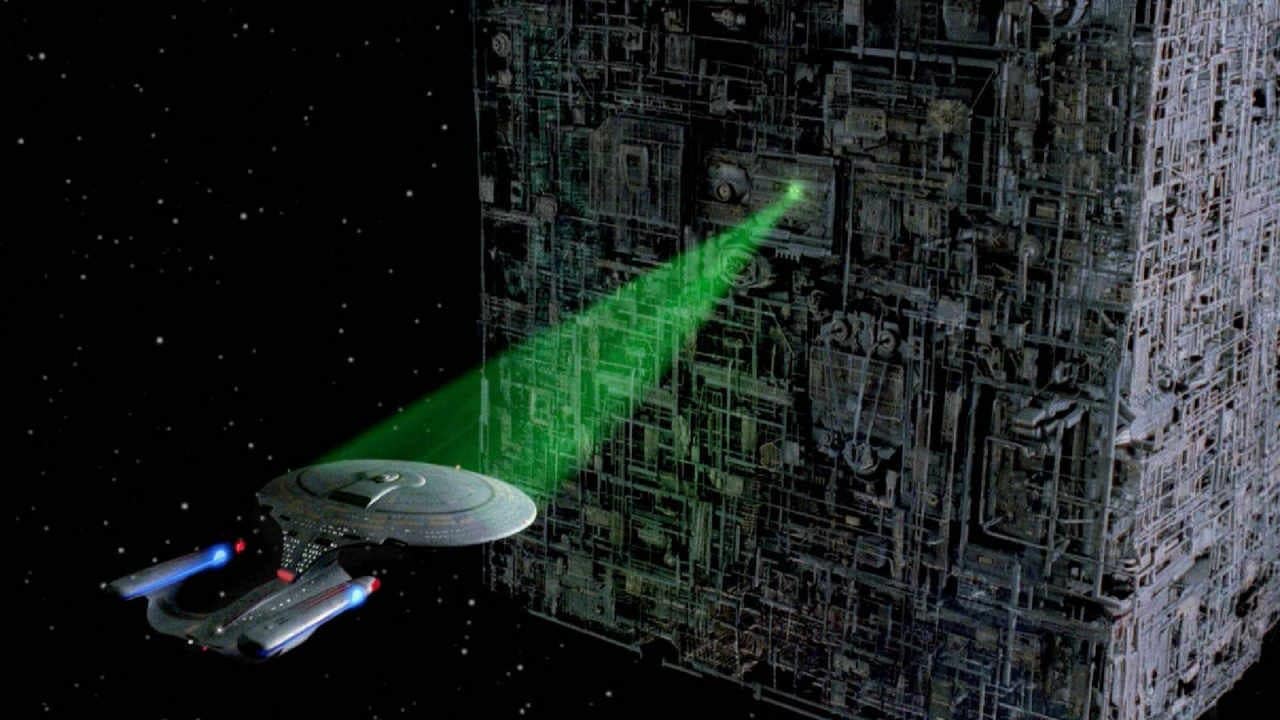
Sato’s ship engages the Borg-Kirk aboard the Omega and deploys what the issue calls an “anti-nanite” field. Borg technology is rooted in nanotech, especially the probes they use to assimilate other species. Disrupt the nanites and you disrupt everything.

It works. Kirk stands down. The issue closes with Kirk and Sato meeting face to face, presumably for the last time.
How the disruption field actually functions is left to the reader’s imagination, which is how most Star Trek technology has always worked. Nobody needs a schematic.

Kirk, revived and then assimilated
The Last Starship is set during the chaos that followed “The Burn,” the event that caused galactic civilization to crumble. Its lead is Captain Kirk, revived hundreds of years after his death.
The Jurati-Borg brought him back to rally the galaxy and restore faith in the Federation. A noble plan, badly executed.
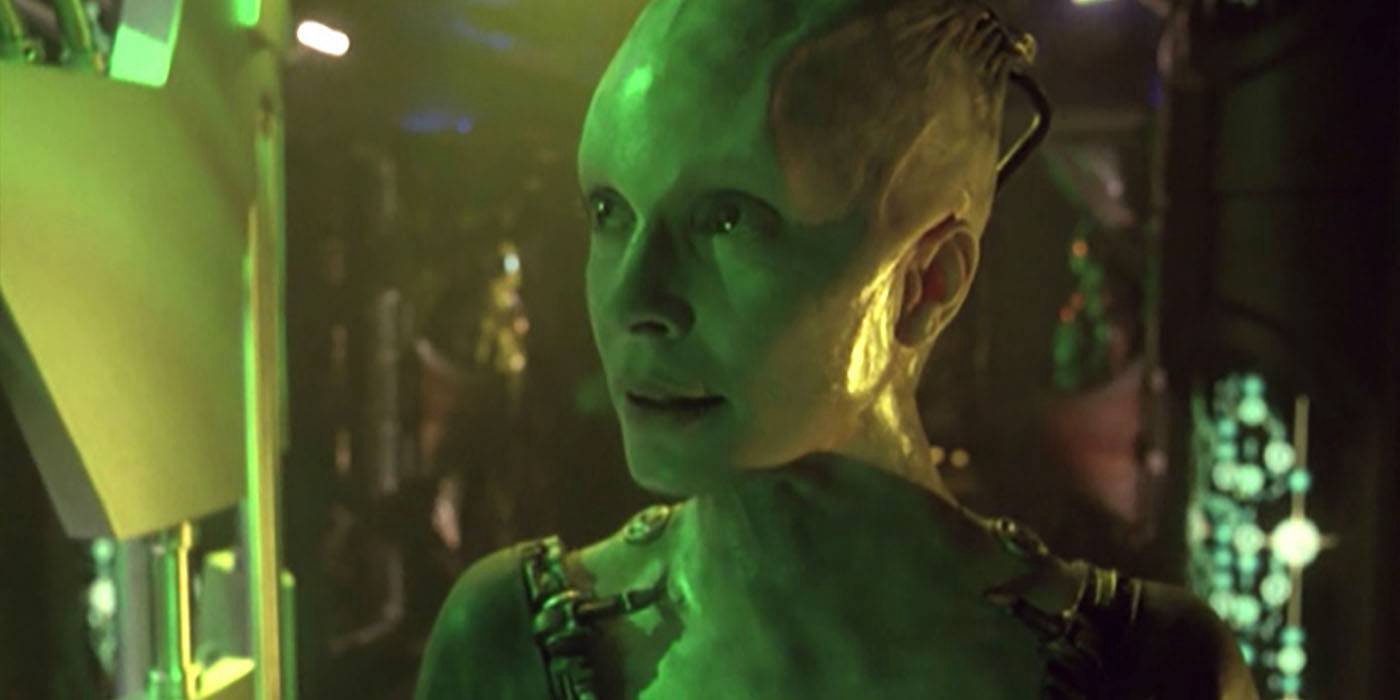
Matters didn’t play out as Jurati intended. In a desperate “Hail Mary” attempt to save herself and the Borg, she assimilates Kirk.
Now Kirk is set on destroying the nascent Emerald Chain, the criminal organization that rose after the Burn. Follow through on that threat and the Chain retaliates harder. So Starfleet sends Sato to reign him in.
Why the Borg earned this much paranoia
Half-organic and half-machine, the Borg assimilate species and add their biological and technological distinctiveness to the Collective. Every absorbed civilization makes them harder to stop.
Then they met the Federation.
In season two of Star Trek: The Next Generation, Q formally introduced Starfleet to the Borg by hurling the Enterprise to the then-distant Delta Quadrant. The Enterprise barely survived that first contact.
Within a year the Borg were back, this time invading. Their opening move was kidnapping and assimilating Captain Picard, which led to the massacre at Wolf 359, one of the biggest losses in Starfleet history. The Enterprise squeaked out another victory.
Tens of thousands dead, and a very long to-do list
The Borg assimilated several colonies and ships at the start of that first invasion, then killed and assimilated tens of thousands at Wolf 359. A Federation that had humbled nearly every species it fought got taken down to the wire.
That’s what changed Starfleet’s thinking. Reactive defense wasn’t going to cut it against a Collective that learns from every fight.
The weapons got better. Quantum torpedoes. The Defiant class starships. Voyager’s hazardous trek through the heart of Borg space handed the Federation more information and insight into the species than it had ever had.
All of it climaxed in the Collective’s defeat at Jupiter in the early 25th century.
The centuries-long gap nobody explains
A breakaway faction led by Agnes Jurati survived until the 30th century. Which is where the timeline gets strange.
By the time The Last Starship takes place, Jupiter is centuries in the rear-view mirror. The Jurati-Borg were in isolation, showing no desire to conquer the Federation.
So why was Starfleet still pouring resources into anti-Borg weapons? The issue doesn’t say.
It’s also a little damning that the fix took hundreds of years to arrive. So much of Borg technology relies on nanites, and Starfleet finally wizened up to this. You’d think somebody would have noticed sooner.
The unanswered questions don’t dent the payoff. The field neutralized Kirk and Jurati and forced them to the negotiating table, which no torpedo ever managed.
Star Trek: The Last Starship #10 is on sale now from IDW Publishing.
Sato didn’t beat the Borg. She turned them off.