
A 1993 SNES puzzle game about three Vikings kidnapped for an alien zoo is still playable today, and it’s still funnier than most games with 30 years of hardware on it. That’s the thing about Blizzard. The company keeps building stuff people refuse to stop playing.
Few developers have left a mark this durable. The best Blizzard titles still carry enormous fanbases decades after release, and the strongest ones earn it the hard way, through gameplay loops players can’t put down. Massive multiplayer, sharp competition, genres defined and redefined.
With this year’s BlizzCon announcements on the horizon, the strength of this catalog looking forward is hard to argue with. But Blizzard’s past tends to define its games, since so many of them run on live service models that keep them perpetually popular. Expansions, DLC and microtransactions get layered on instead of sequels, unless a sequel brings enormous changes.
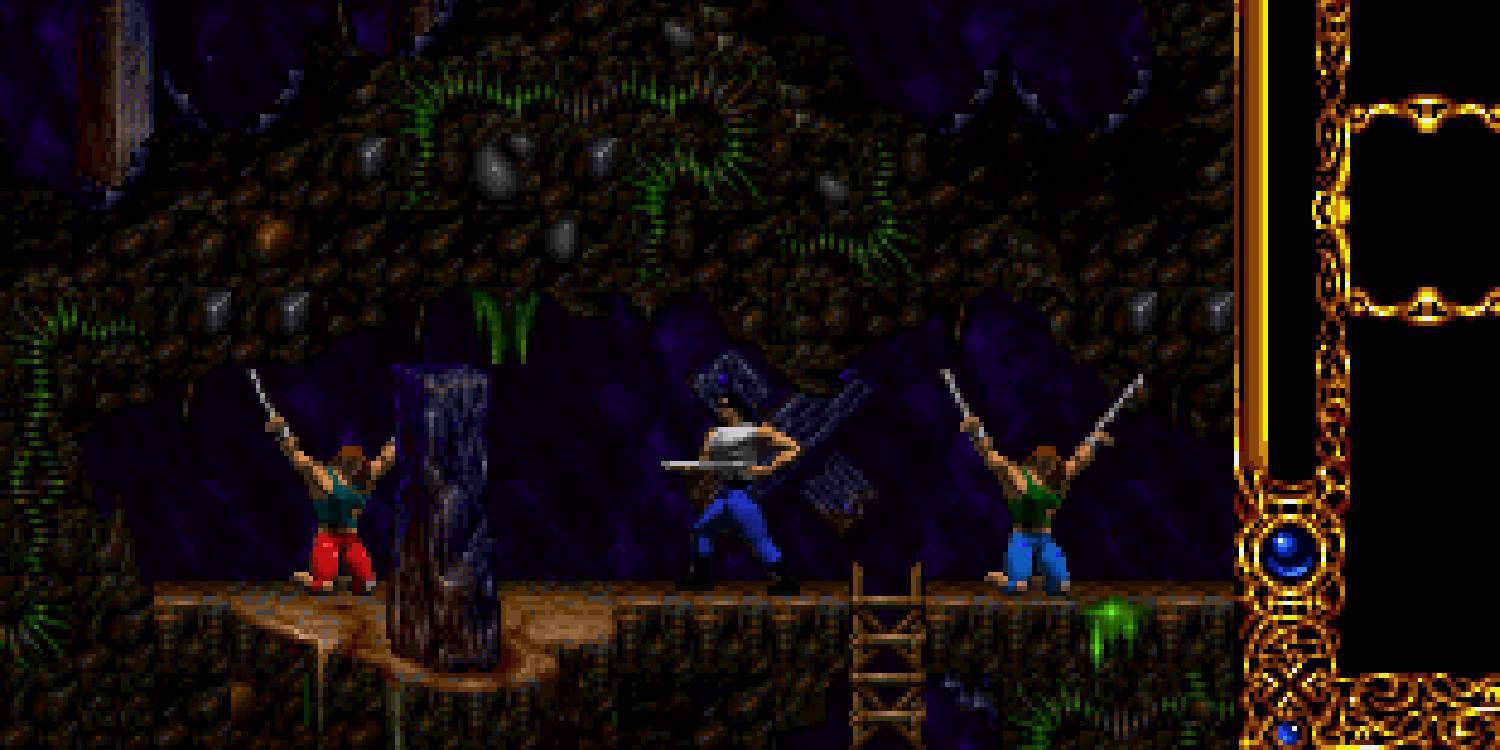
The mid-’90s platformer that invented cover shooting
Blackthorne came out when platformers ruled the first wave of home consoles, and it broke the mold by caring less about platforming than about strategic, focused level design that actually challenged you. Darker and grittier than its peers. A single-player adventure that stood out on a shelf full of mascots.
The presentation stayed straightforward, arcade-like and easy to pick up. But Blackthorne invented mechanics that would go on to define other genres entirely, including ducking behind cover to shoot at enemies. Mass Effect, Gears of War and plenty of other action titles owe it a debt.
The MOBA that refused to be one map
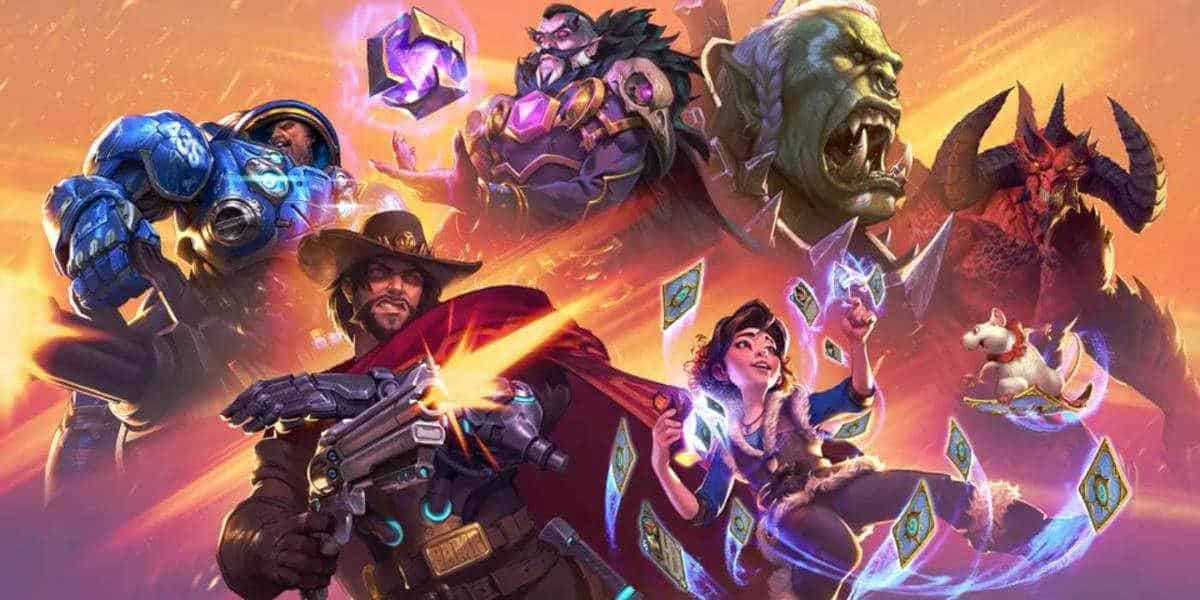
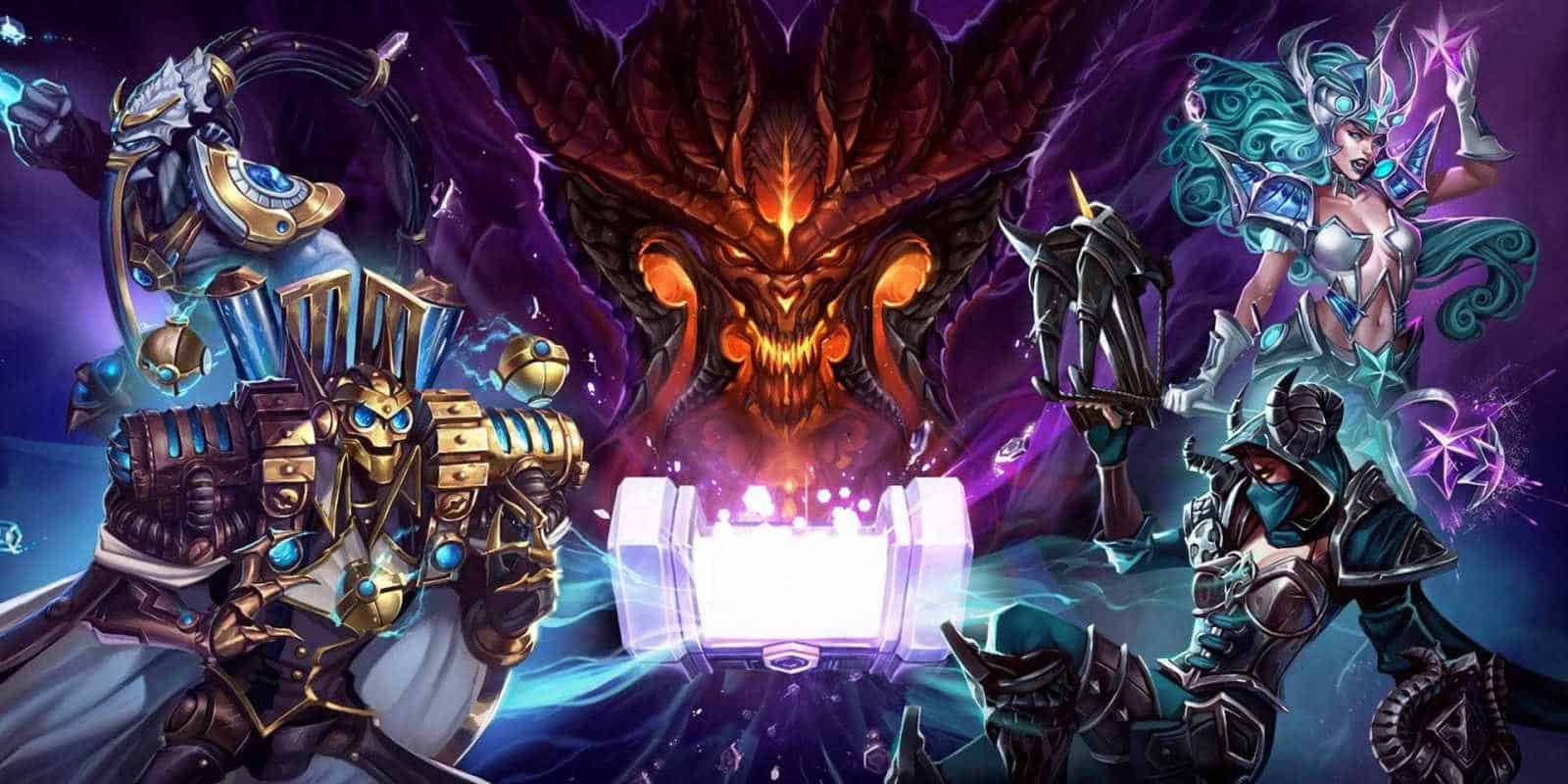
DOTA and League of Legends own this space, and Heroes of the Storm never dented that. It’s still a solid entry packed with ideas the giants didn’t try. Multiple game types and match modes push MOBA competition in unorthodox directions instead of orbiting one core map forever.
The roster is the pitch: a crossover of Blizzard characters pulled from every major franchise, each playing the way they do in their home game. Diablo himself can hunt down Tracer from Overwatch. The teamwork required to win produces the same compelling collaboration as any MOBA, just aimed somewhere no other Blizzard game goes.
Three Vikings, one alien zoo
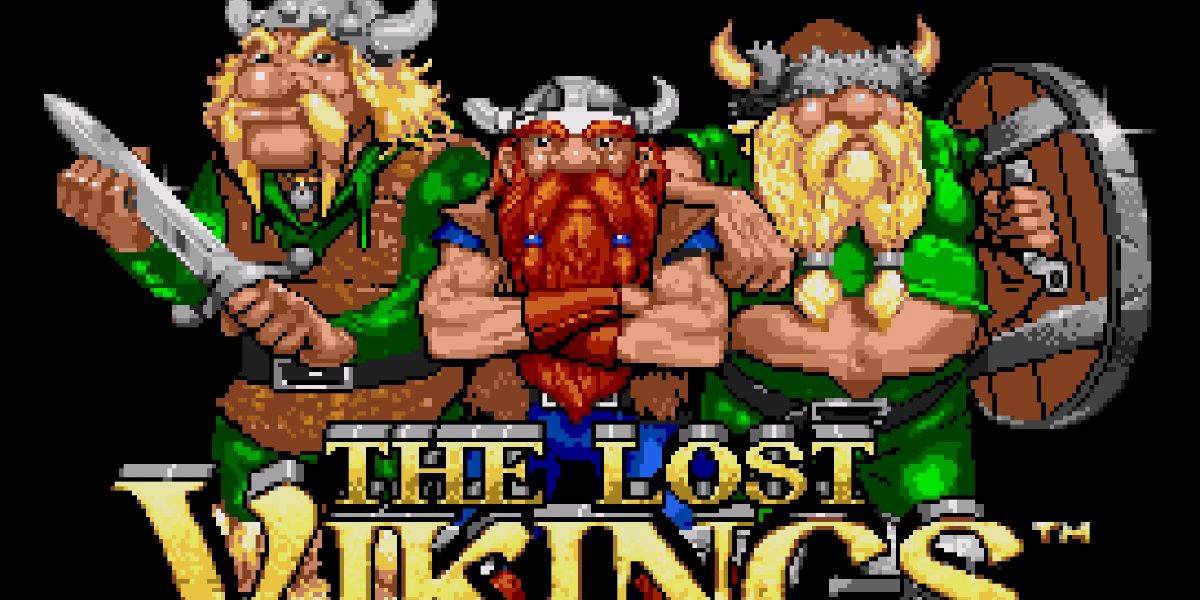
Back when the company was still called Silicon & Synapse, it released The Lost Vikings in 1993. You juggle the abilities of Erik the Swift, Baleog the Fierce and Olaf the Stout to solve puzzles that keep getting nastier.
These Vikings aren’t lost at sea. They’ve been abducted by Tomator, emperor of an alien empire, to be displayed in an intergalactic zoo.
Cartoon Vikings in an alien abduction zoo was already a recipe for chaos, and then the writing in the story and dialogue makes the whole thing stick in your head. It’s still playable as part of the Blizzard Arcade Collection on Battle.net, and that version includes the Definitive Edition, which adds five new levels.
The expansion that saved Diablo 3
Diablo 3 launched with systems that alienated longtime fans, including a pile of microtransactions for in-game items that added up to real money. Reaper of Souls fixed most of it, cutting away what players hated and reviving the game into one of Blizzard’s strongest.
The core problem was the in-game auction house, where players sold items for cash. Diablo 4 doesn’t have one, though comparable monetary systems in Blizzard series still tend to stir up controversy.
What’s left is depth. Character builds branch wildly and ramp toward a complex endgame grind that stays fun no matter how many hours you sink into it. The Rift system piled on replayability, letting you and your friends build overpowered characters and flatten dungeons together. The rebuilt loot system created a loop nothing else in the series had managed.
Why Hearthstone still beats every other franchise card game
Lots of franchises have tried the card game pivot. Hearthstone is the one that worked. It simplifies competitive TCG formulas into something a beginner can grasp immediately and a top player can spend years failing to master. Multiple game modes keep many decks viable, which is more variety than most online card titles offer.
Constant expansions, updates and format tweaks keep it fresh, even when that means older decks age out. The RPG elements give it a feel nothing else has, so it lands even if you couldn’t name a single World of Warcraft character on the cards.
The Mana system was a real innovation at launch, forcing you to spend time in a match before your deck’s best combos unlock. Flashier, more important cards get their moment, and every part of your deck starts to matter. Free-to-play systems let you build something strong over time.
The hero shooter that made every character feel like a character
Overwatch was a monumental success, and arguably the strongest hero shooter since Team Fortress 2. The reason is simple: every single character looked and played like someone. Reaper and his twin shotguns and general gloom. Reinhardt and his shield, hammer and charge. Nobody in that roster felt like filler.
Continual character releases kept it going, with team compositions shifting every time a new hero slotted in. Players had something to look forward to, and the game stayed fresh for years.
As a shooter, it kept ability design simple. Every hero’s kit is easy to learn and occasionally brutal to master once a team is coordinating around you. The maps are detailed and full of personality, and the animated cinematic shorts built out lore that gave the world weight. All those extra details added up to an identity that holds its own next to Blizzard’s biggest IPs.
Starcraft is still the blueprint
The original Starcraft is essential to gaming, full stop. It popularized real time strategy through Blizzard’s signature presentation and its knack for simplifying complicated ideas. Three factions, each with real depth, every unit built for a distinct purpose. Deciding what to build and how to use it becomes an addicting loop fast.
The storyline between the factions is a huge part of the appeal. The campaign here and in the sequel drove the game’s popularity well beyond its competitive scene.
What makes it one of the best strategy games ever is how cleanly all the pieces fit. For a 1998 release, the strategic complexity that emerges from player skill and expression still holds up.
Then Brood War made it better. The first expansion added factions and raised the difficulty on an already stellar game, with a stronger campaign whose challenges force you to micro every scenario against the enemy. The level design is impeccable and the decisions it produces are genuinely hard.
Warcraft 3 gave you hero units and a map editor
Blizzard’s next RTS after Starcraft took the genre’s furniture and added new pieces. Warcraft 3 packed in the most factions the studio had ever built for an RTS, and the variety was staggering, with nearly endless strategies available for each group. Hero units complicated all of it, pushing even more weight onto microplay.
But The Frozen Throne is what put this game on a pedestal for so many Blizzard fans. The expansion turned an already massive game into something gargantuan, handing players more ways to enjoy the gameplay and the story. Throw in the custom map maker, which let players build their own RTS maps, and Warcraft 3 becomes endlessly replayable.
Diablo 2 built the character sheet everyone copied
Plenty of people call Diablo 2 the best game in the series, and they’ve got the receipts. It continues the original’s dark fantasy ARPG style, then refines and polishes and expands it into systems that would inspire multiple later smash hits. You can build almost any character you can imagine, thanks to deep customization skills and build trees.
Like every Blizzard game on this list, it got stronger with its expansion. Lord of Destruction added a whole new story Act plus a new area with tougher enemies and fresh quests.
That character depth pairs beautifully with the level design and reward systems. As one of the first games with proper co-op, Diablo 2 let you drag friends into dungeons hunting the best loot, the closest thing to a tabletop RPG session a PC could offer at the time. With unlimited options for every character you roll, the brevity hardly registers.
The sequel that made esports global
There’s a real argument that Starcraft 2 is one of the best sequels ever made, taking everything the original did and pushing it to its full potential. It defines itself by strategic depth, delivering what RTS fans want alongside competitive systems that helped esports explode worldwide.
Wings of Liberty continued the series’ narrative in 2010. Heart of the Swarm and Legacy of the Void followed, putting different factions in the spotlight with their own stories and stacking on content. Blizzard backed all of it with consistent support and a free-to-play model that makes it easy for newcomers to try.
The quality of life improvements from Starcraft to Starcraft 2 are absurd in number, and each one builds on something fans already liked. Blizzard has kept the balance tight for years, giving it competitive integrity that other RTS games rarely get to enjoy. Free custom maps, alternative modes, and a genre pinnacle a lot of people still won’t argue about.