
Side with the goblins or protect the druids. That’s a real fork in the road in Baldur’s Gate 3, and whichever way you go, the Sword Coast remembers.
The RPG genre has always been the best place for a story that splits in half. You interpret your character, you make calls along the way, and the game bends. Skyrim‘s civil war arc is the famous version of that: help the Stormcloaks or help the Empire, and the outcome changes to match. Famous, yes. But plenty of other games do the job better.
Branching narrative usually gets credited to visual novels and interactive fiction. Life is Strange. Detroit: Become Human. Those are the names people reach for when they talk about choices shaping an ending. Turn-based RPGs deserve a seat at that table too, and a handful of them let you customize the story so thoroughly that no two playthroughs rhyme.

Larian didn’t invent this, it just went bigger
Baldur’s Gate 3 is the most recent example anyone can name. Larian’s award-winning RPG changed video games with its three-part story arc and a roster of companions who got more interesting the longer you kept them around. It didn’t create anything new. It took what was already working in the CRPG genre and scaled it up until it was impossible to forget.
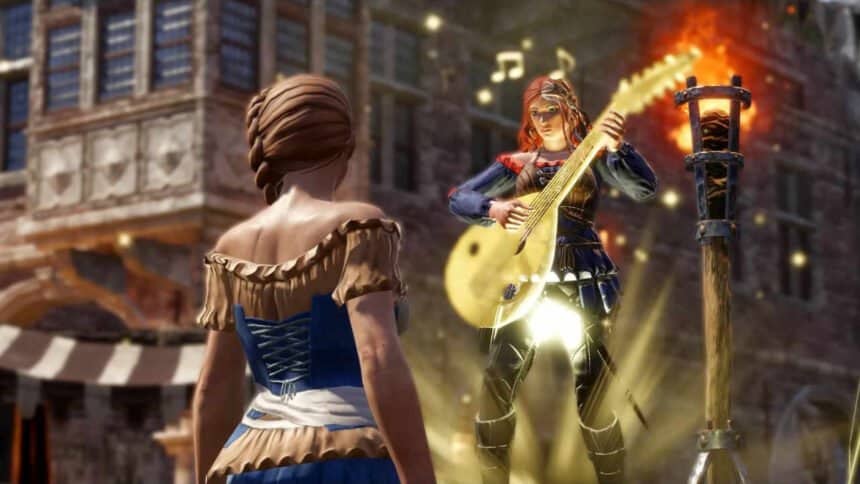
Your Dungeons and Dragons-inspired campaign runs along the Sword Coast while you hunt a cure for the Mind Flayer parasite in your skull. You meet people. Some of them join you. And depending on how you treat them, you can romance your companions or antagonize them, which changes both how the story plays and what you learn.
The world shifts too. Help the druids defend themselves against the goblins, or throw in with the goblins if you’re feeling evil. Those are the macro choices. Underneath them sit dozens of smaller narrative options that nudge individual NPCs, and those nudges have repercussions later. It’s the most fleshed-out turn-based RPG on this front, which is why people replay it dozens of times.
The 1998 game that made your reputation a mechanic
Fallout 2 got here first. Released in 1998 as a direct sequel to 1997’s Fallout, it expanded on how your decisions steer the ending. Character customization was already genre-standard, but Fallout 2 let you interact with NPCs in wildly different ways, and a few of them could be recruited.
Reputation was the new one, absent from the first game. It tracks how the factions and settlements that make up the social structure of Fallout 2 see you. Stand well with a community and you unlock more content: extra side quests, alternative routes through quests you’d already started. Stand badly and doors close.
Worst case, you make enemies. Even how you explore matters, since taking your time with everything can sour some of your allies and bend your main story quests along with it. It remains one of the most beloved entries in the series. Fans are building an open-world remake of it, and Bethesda, which owns the IP, is working on Fallout 5.
The Larian game people skip on their way to BG3
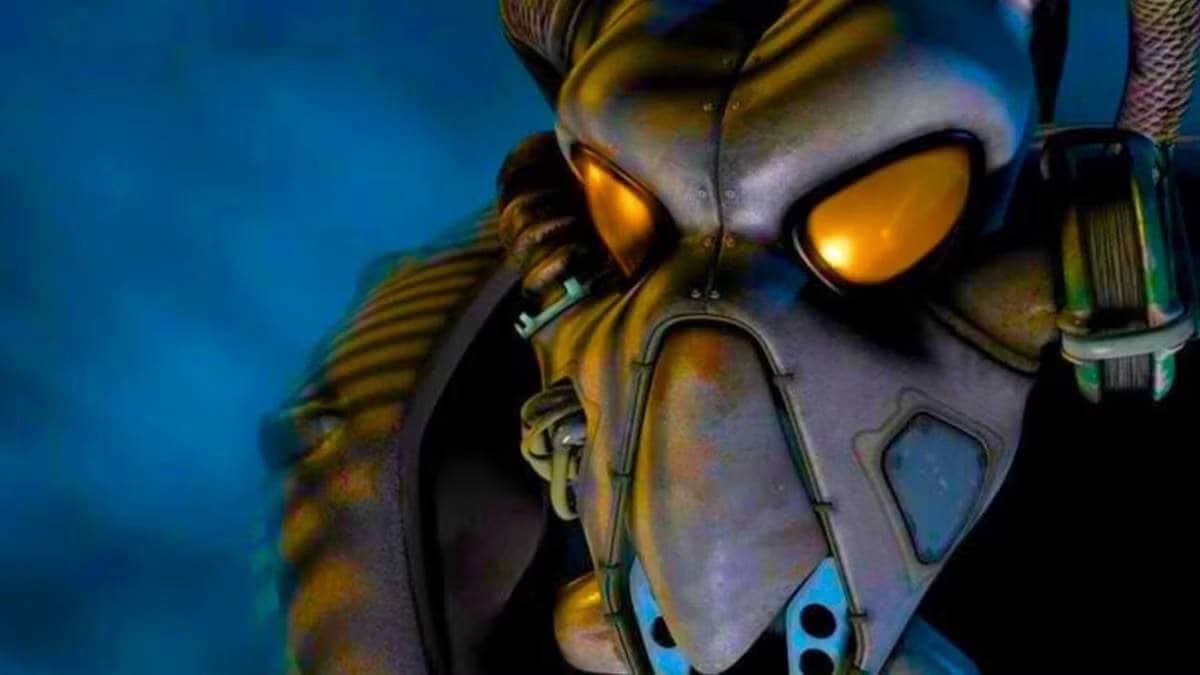
Divinity: Original Sin 2 is the precursor, structurally speaking, even if BG3 is a far larger and more technically ambitious project. Like the 2023 GOTY, it’s a turn-based RPG with an enormous open world and a story split across several acts.
You’re escaping a prison and climbing toward godhood, and you do it alongside allies who reveal more of themselves the longer they travel with you. The choices pile up, inside the main campaign and well outside it. Help Sebille assassinate her target or don’t. Pick your own way out of Fort Joy.
Some decisions you make without realizing you made one. Skip a fight and someone who could have been an ally dies. There are things Divinity: Original Sin 2 does better than BG3, and the way your choices reshape the world, sometimes passively, is one of them. Don’t overlook it.
Build a Jedi, then ruin him
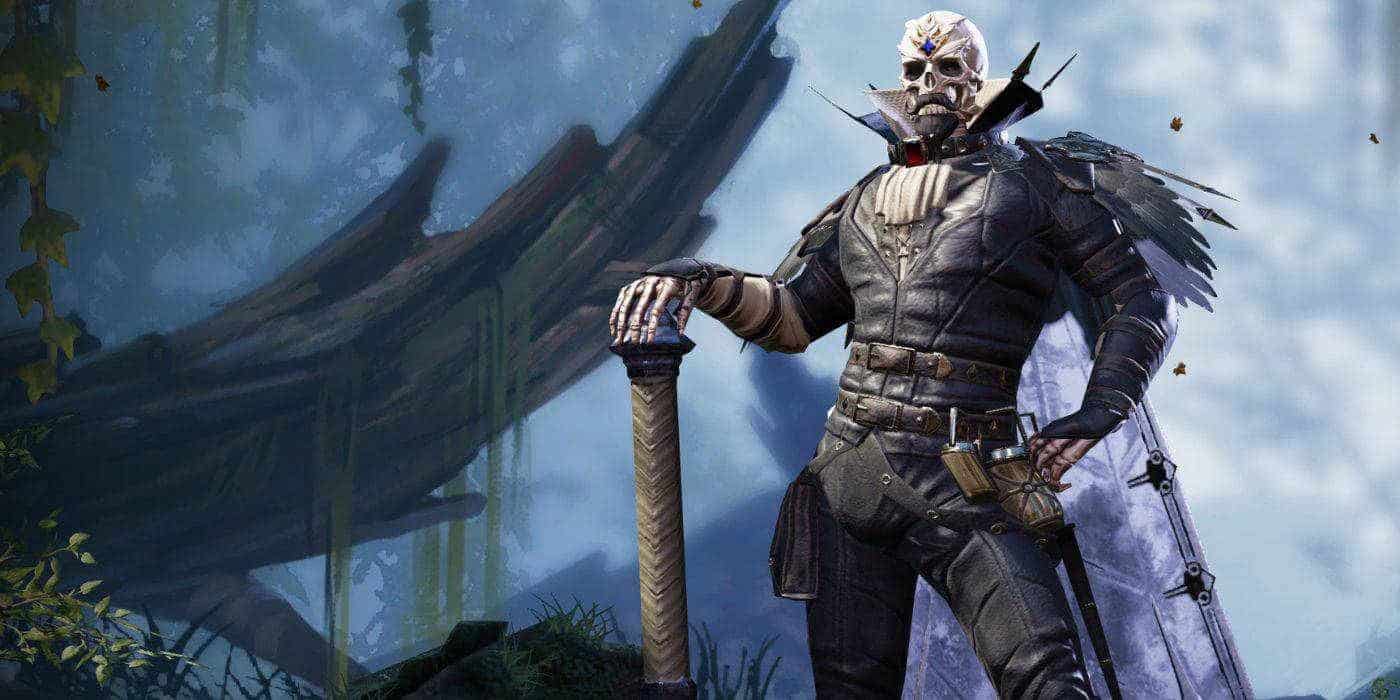
Star Wars: Knights of the Old Republic came out in 2003 and it’s technically real-time with pause, but it plays like a turn-based game. You build a custom Jedi who doesn’t have to share a single principle with the Order. He can go fully corrupt, seduced by the Dark Side and the powers that come with it.
The alignment system slides constantly toward Light or Dark based on what you do in the campaign. That gauge decides which of the two possible endings you get, and it also changes how characters react to you along the way.
Your decisions reach your quests, your rewards and, most directly, the powers you pick up as you level. Want to feel like a Sith Lord even though the game never uses the term for you? Go ahead. The confirmed Star Wars: Knights of the Old Republic Remake will have to decide how much of that freedom to keep, and how much to expand.
Redcliffe is the first thing that breaks
Also real-time with pause, also loaded with consequence, and in Dragon Age: Origins the consequences run deeper. BioWare’s 2009 masterpiece hands you a character to create, and that alone reshapes the opening hours as you settle into the world through whatever you molded. The origins in Dragon Age: Origins carry real weight.
Then it buries you in decisions. The first big one lands early: save Redcliffe or don’t. It echoes for the rest of the game. Nearly every story arc and questline has multiple approaches, each with its own result, and those results include character deaths, romances and changes to the state of the world that carry into other games in the series.
We’ve got no shortage of games now where the world adapts to what you choose. Origins still stands among the strongest of them. Save Redcliffe, lose something else, and live in the version of Ferelden you built.