
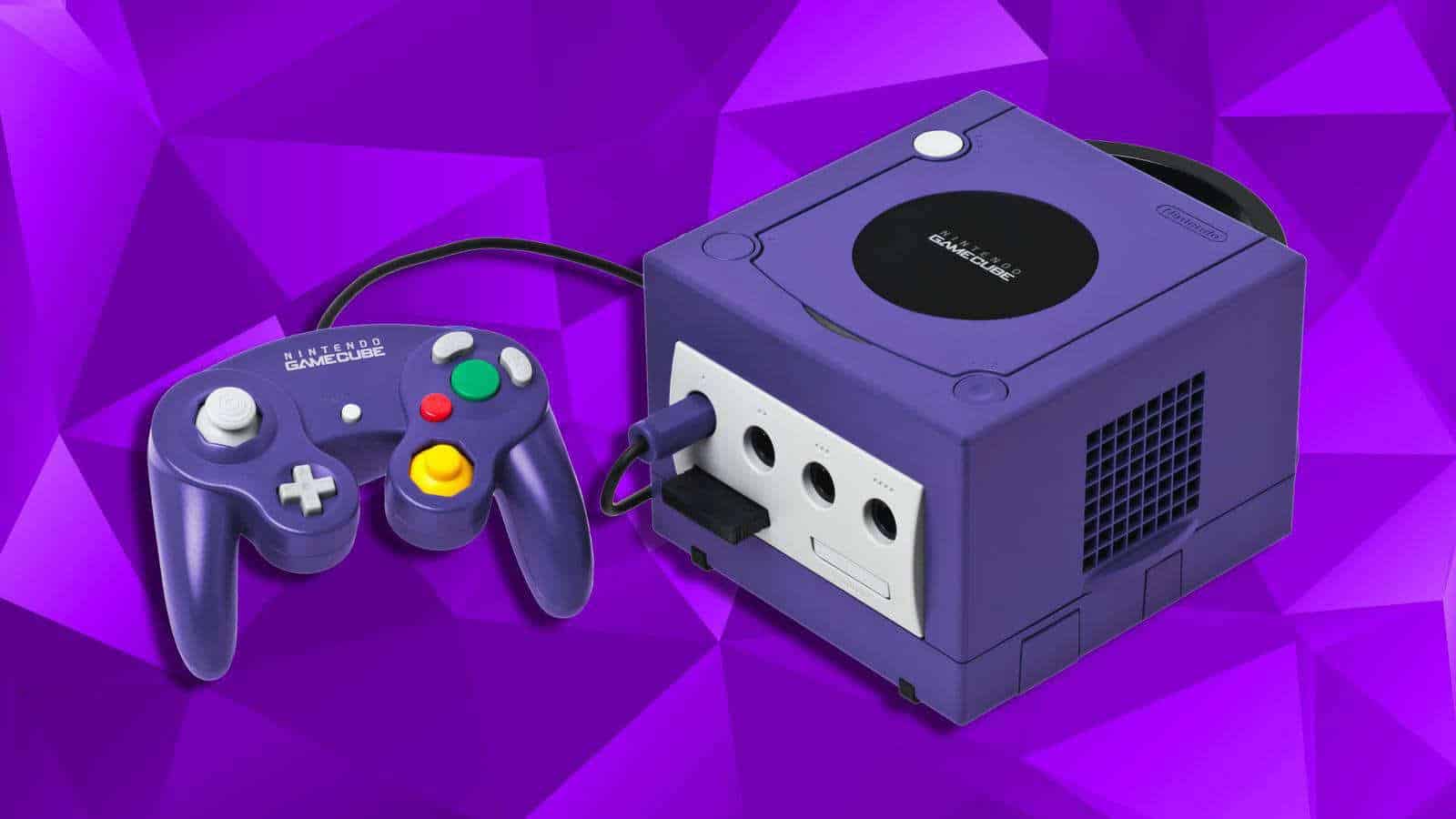

The GameCube isn’t underrated. It’s just overlooked, constantly, by people who should know better.
Anyone who owned the thing back then remembers how strange and how good the library was. How many of its best games rewrote the rules. How annoying it is that its whole aesthetic died with it. That console was Nintendo at its most creative, and most of what it offered has quietly slipped away.
The one that set the bar
One game from that library still demands to be played today. It arrived while Nintendo was only starting to figure out its own appetite for RPGs, and it didn’t just raise expectations for what came next. It launched an entire sub-genre that’s still enormously popular.
That game is Paper Mario: The Thousand-Year Door.
Nintendo had circled the RPG before. Fire Emblem and Super Mario RPG are the obvious examples, but the formula never fully clicked. Quest64 flopped. Fire Emblem, for all it did well, couldn’t match the storytelling of its peers. The first Paper Mario on N64 answered all that with a smart combat system, exploration mechanics nobody else was doing and a story fun enough to hold the whole thing together.
What Intelligent Systems finally figured out
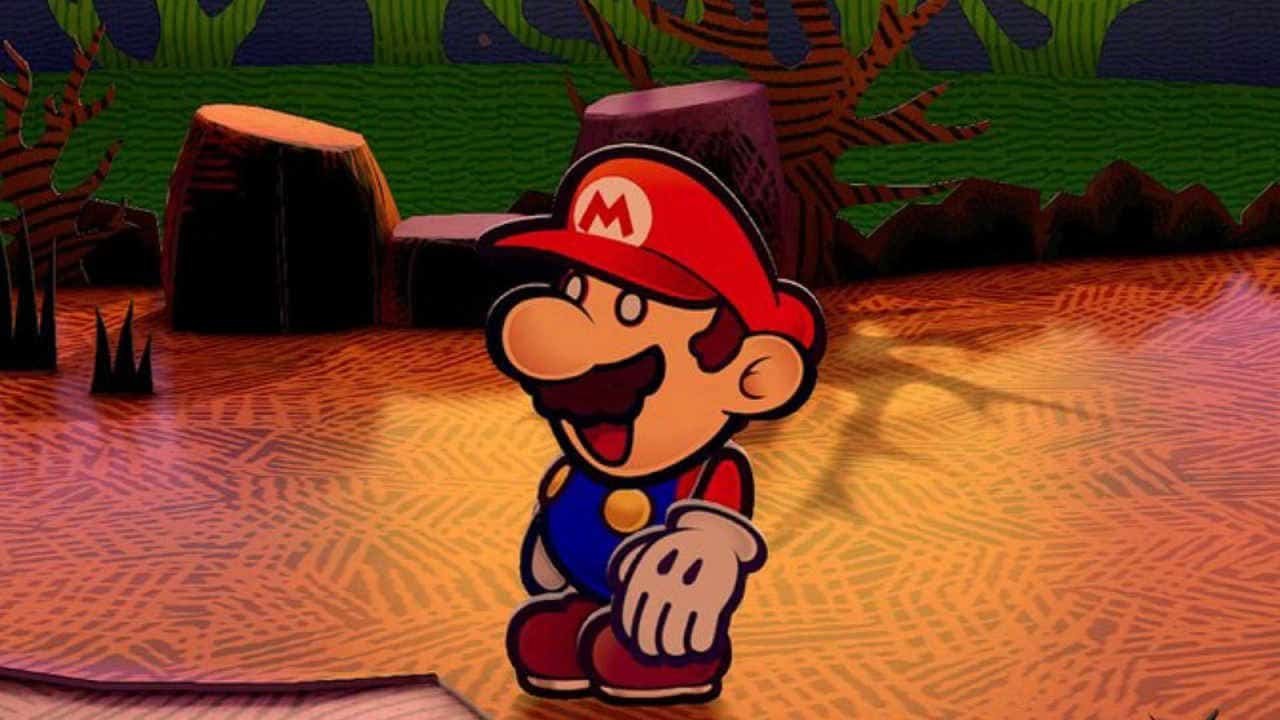
Then The Thousand-Year Door landed and both Nintendo and Intelligent Systems showed they’d cracked it. The story went darker, hit harder emotionally and stuck with you longer than the original’s did. The new companions carry the kind of depth you’d expect from Final Fantasy, or to a somewhat lesser degree Xenogears.
The combat system, retired after TTYD, took what the first game nearly nailed and finished the job. It’s the best version the series ever produced, and it spawned a generation of Paper Mario imitators.
World design, music, writing, all of it locks together. That’s why it was one of the best-selling GameCube games of all time and why fans worldwide treated it as essential. It just never got the respect handed to its more famous shelfmates.
The remake proved the point
Is it the single best GameCube game ever made? That’s subjective, obviously. I’d argue yes. It’s one of the few games from that era that holds up visually and mechanically, and it was well ahead of its moment.
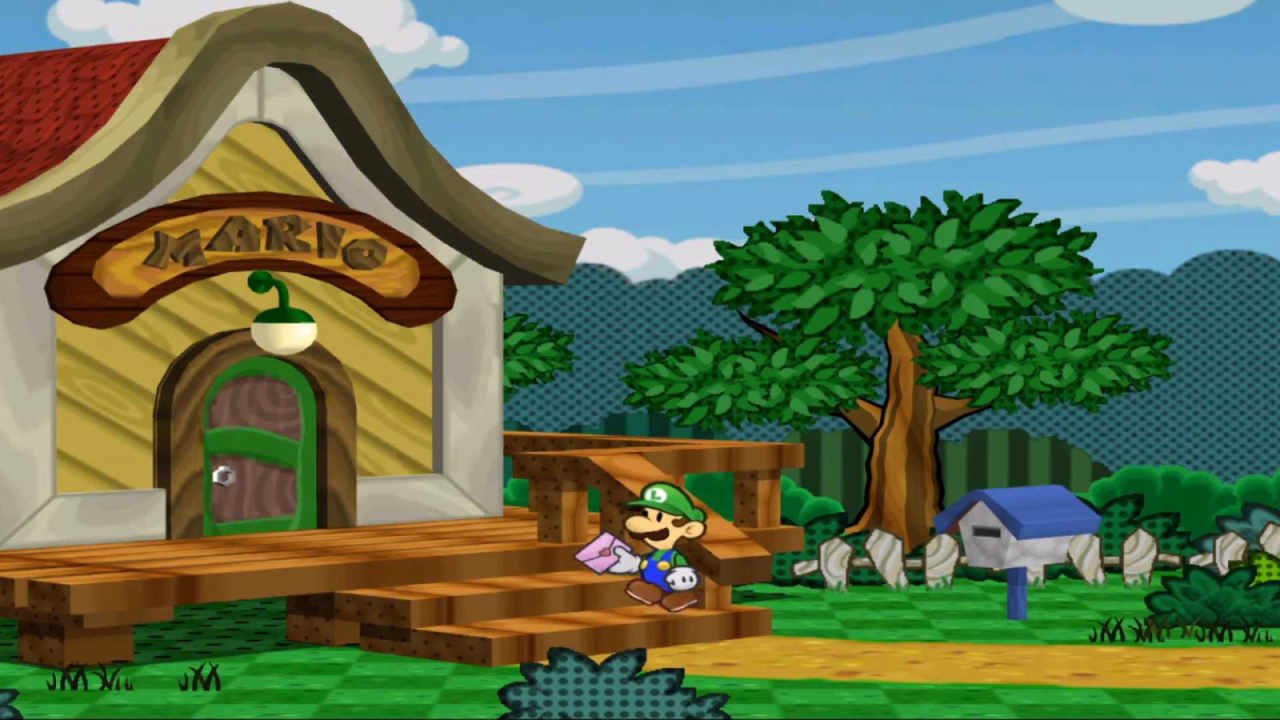
Look at the remake. The visual update fits the theme and aesthetic beautifully, but the gameplay stayed largely intact beyond some quality-of-life tweaks. You don’t leave a 2004 design alone unless it was already that refined.

Not the most important game on the console. Still the most complete.
Other GameCube games shaped the industry more directly. Others carry heavier nostalgia, usually because they were everywhere or belonged to a mainline series instead of being a spin-off.
But The Thousand-Year Door feels like a perfect masterpiece. An experience built without compromise, one that fully achieves its vision in a way most of its contemporaries never managed.
Best of the era? Debate it, that’s fine. Among the best is not up for debate. It elevated the RPG genre, spawned its own sub-genre, shaped the developers who came after it and left a mark on people like me.
If you want to understand what made the GameCube era different, the creativity and the craft and the sheer willingness to try something, you start here.

[…] The GCN turns 25 this year, and the controller is the best argument for its legacy. Nintendo has kept re-releasing it in new editions, over and over, for a machine that stopped rolling off production lines two decades ago. […]