
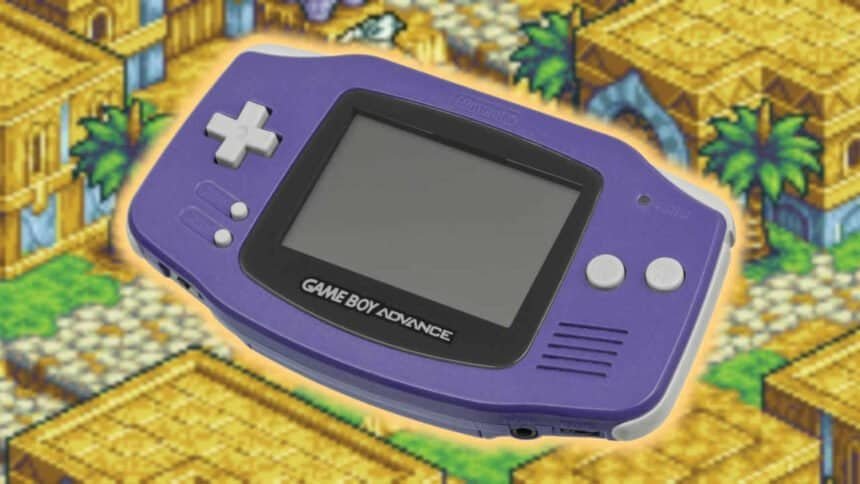
Two hundred and nineteen hours. In Hoenn. On a handheld you could fit in a coat pocket.
That’s the completionist number for Pokémon Emerald, and it’s the kind of figure that scrambles what most people remember about the Game Boy Advance. The received wisdom says handheld games were the snack between real meals, the thing you played on a car ride while the PlayStation 2 waited at home with the actual epics. Mostly that’s true. The GBA library does skew short compared to what the PS2 or the GameCube were shipping.
But a handful of them will still take your entire month.

The console was a bigger deal than its size suggested
Nintendo’s handheld was a revolution within the industry, an evolution of the Game Boy Color that officially opened up a new generation of games and possibilities. Some of the best games on it withstood the test of time and still get named among the best titles ever made.
Pokémon‘s Gen 3 is the obvious example. It set a new standard for what the series could do, even while building on the original formula that exploded during the Game Boy Color years. The console also hosted The Legend of Zelda: A Link to the Past and Four Swords.
So the hardware wasn’t the constraint people assumed. Five games in particular prove it.

The tactics game that finally let the West in
The Fire Emblem franchise had existed for well over a decade by the time most players outside Japan heard of it. Shadow Dragon and the Blade of Light landed on the Japanese Famicom in 1990. Western markets didn’t get a real entry until Fire Emblem: The Blazing Sword arrived on Game Boy Advance in 2003.
Over here it was known simply as Fire Emblem. The seventh title in the series introduced a new type of tactical combat encounter, putting you in the roles of Lyn, Eliwood and Hector, controlling armies across a grid and individual characters in focused fights.
That introduction did its job. The IP kept growing over the following decades into a hit, and players will soon see Fire Emblem: Fortune’s Weave on the Nintendo Switch 2.
The campaign runs around 27 hours, standard for an RPG of its era. Do everything the game offers and you’re looking at roughly 46.
Three Sega RPGs in one cartridge
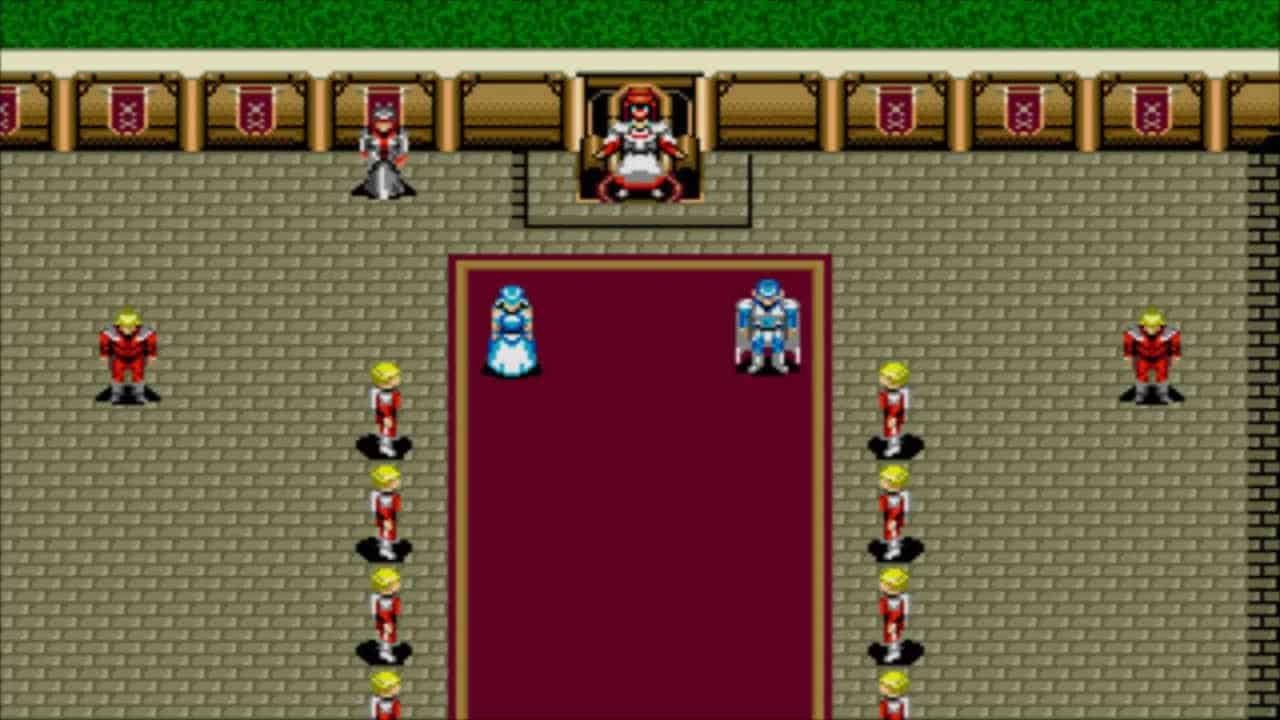
By the late 1990s and early 2000s, companies were already mining their back catalogs for ports to more modern hardware. Phantasy Star Collection is that impulse in cartridge form, a compilation of the series’ first entries. It originally released for Sega Saturn in Japan in 1998, then came to Game Boy Advance in North America in 2002 and Europe in 2003.
The versions aren’t identical. The Saturn edition packed in the first four games; the GBA release carried three. Still, plenty of Nintendo handheld owners met Phantasy Star for the first time here.
Individually, none of these is a marathon. Stacked together, the collection runs about 63 hours and 35 minutes to finish all three. Worth flagging: that figure comes from a single polled entry, so real playtime may vary a lot.
The farm that Stardew Valley grew out of
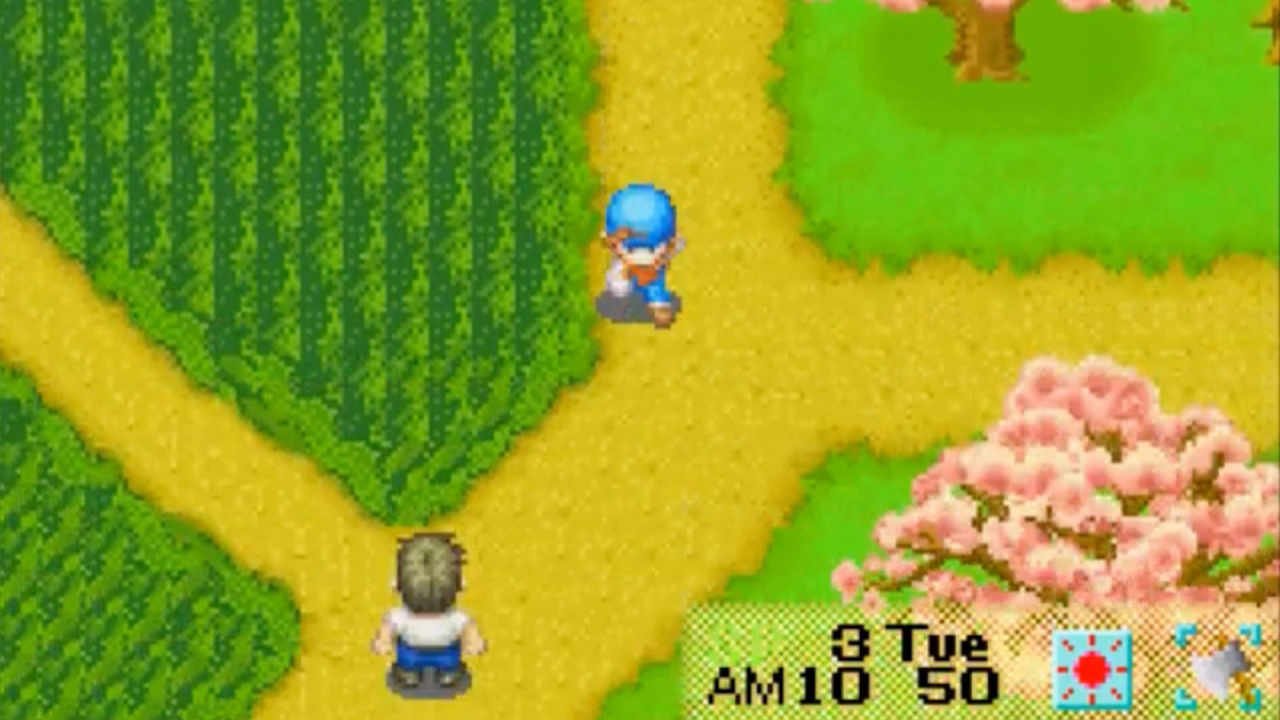
Harvest Moon: Friends of Mineral Town was one of the GBA’s most popular releases, beloved enough that it got a 2020 remake called Story of Seasons: Friend of Mineral Town. The name change came down to licensing. It was the first Story of Seasons release for the platform, and here’s the fun part: the 2003 original was itself a remake, of 1999’s Harvest Moon: Back to Nature on PlayStation 1.
You play a farmer who inherits a farm from an old man, decides to stay, and slowly expands the place while tending crops and raising animals. This was the foundation for Stardew Valley, and plenty of people will tell you Stardew ended up the better game.
The campaign takes about 27 hours, which doesn’t sound like much. Chase everything, though, and you can burn 99 hours in that virtual farmland.
The Square Enix game nobody talks about enough
Final Fantasy Tactics Advance raises the ceiling considerably. Released in 2003 as a successor to 1997’s Final Fantasy Tactics, it was designed exclusively for the Game Boy Advance and told a brand new story set in the same world as the original. The goal was the FFT tactical experience in more contained encounters.
Encounters come in different flavors as you progress, some tied to the campaign and others part of side quests. It also introduced the Law mechanic, overseen by a Judge who slaps restrictions on certain actions mid-combat. This is one of the most overlooked games in the series, and it’s remarkable, especially for a handheld.
Main campaign alone: around 45 hours. Completionists can push it to 113, which is a startling number for a GBA cartridge.
Hoenn will hold you hostage
The first wave of Gen 3 games set in Hoenn are among the longest things on the system. Ruby, Sapphire and Emerald all offer hundreds of hours, and Emerald is the biggest of the three. It arrived in 2004, nearly two years after Ruby and Sapphire opened Gen 3, and the Rayquaza-led title sends Trainers back to Hoenn for a similar story told from a slightly different angle.
Emerald keeps most of what Ruby and Sapphire changed while adding its own wrinkles. Both Team Magma and Team Aqua show up. You can catch Groudon and Kyogre. You can grab one of the three Gen 2 starters, and the postgame Battle Frontier opens up, which wasn’t in Ruby or Sapphire at all.
Average playtime sits around 51 hours. Rush the campaign and you’re out in 31.
But there’s so much buried in Hoenn that the completionist path stretches to 219 hours, one of the longest Game Boy Advance titles Nintendo ever made. That’s nine straight days of a screen with no backlight, and a generation of players did it anyway.