
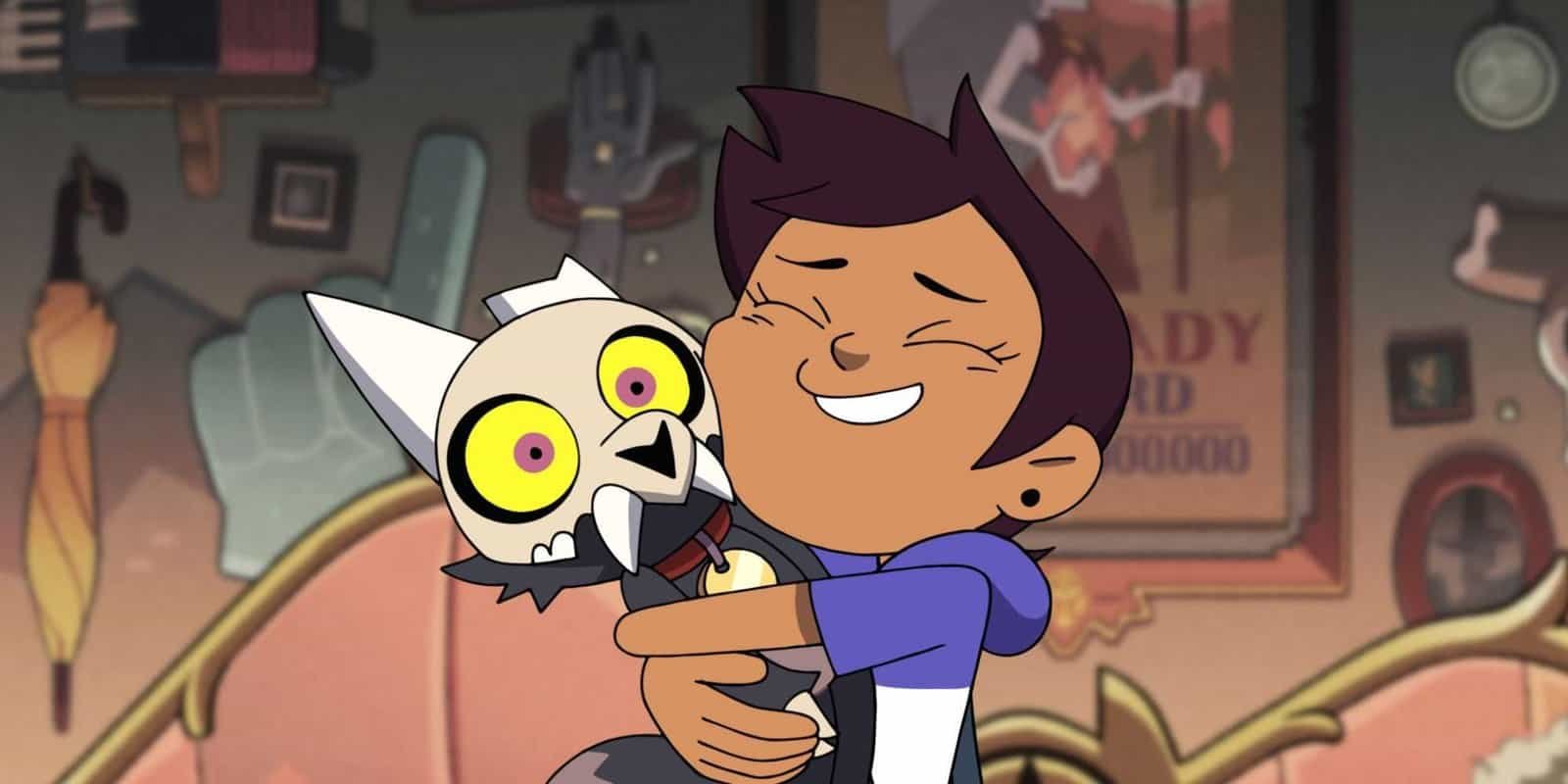
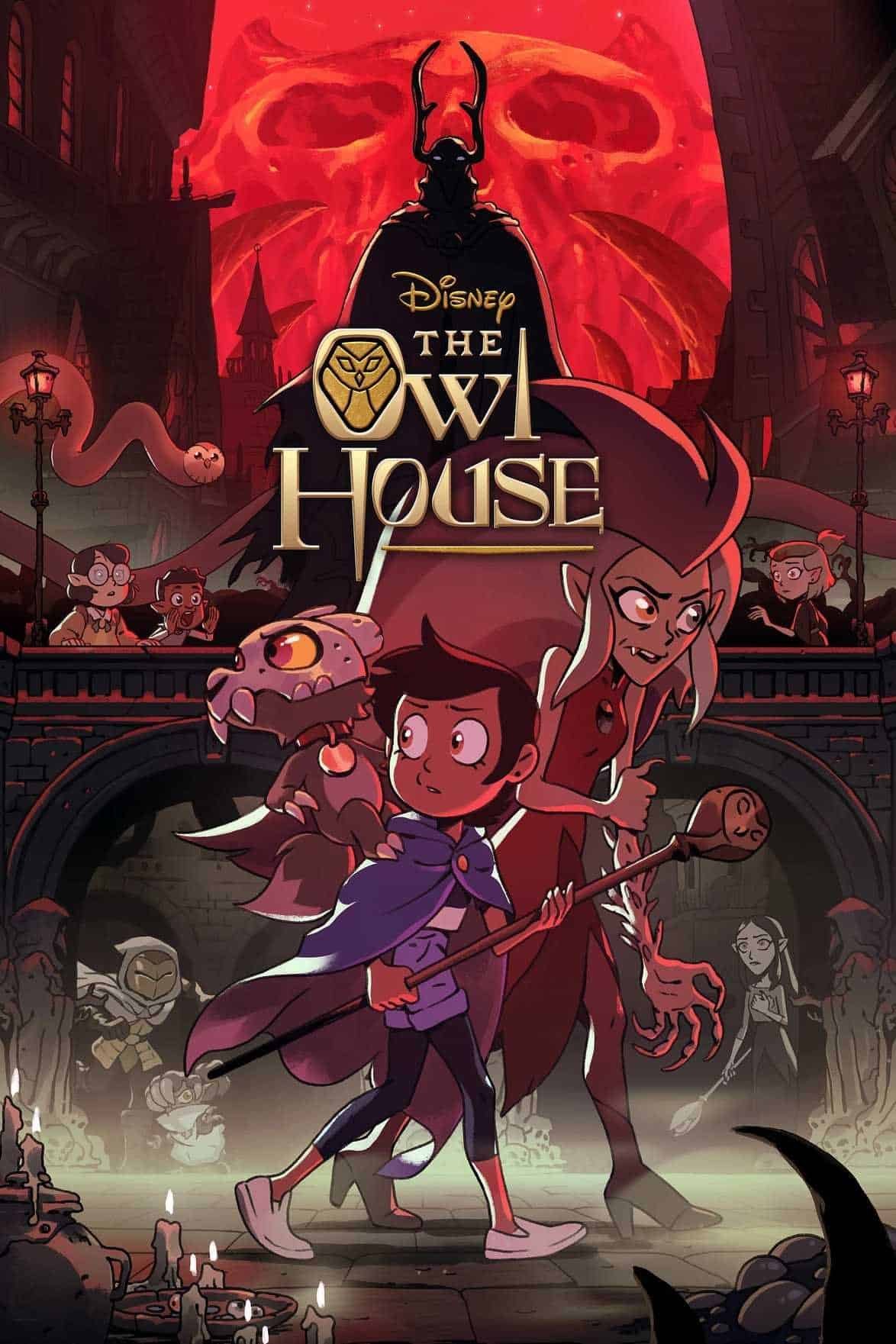
A teenage girl with no magical ability whatsoever falls into another world and talks her way into an apprenticeship with a con artist witch. That’s the setup of The Owl House, and it’s the closest Disney has come in years to making something that doesn’t feel like Disney.
The critics agreed. All of them. Rotten Tomatoes has it at a perfect 100% positive score.
Disney should be the default answer for anyone asking who makes the best fantasy television. The company’s fairytales defined a generation and function as their own genre at this point. But that formula has aged, and what once read as comfortingly predictable now reads as stale.

Why Disney had to change its approach
Viewers want denser lore and stranger worlds now. Disney is no longer the uncontested king of the genre, and it’s competing with shows that push further and pull in wider audiences.
That pressure forced the issue. Disney’s track record outside its comfort zone is rough, historically speaking. The Owl House is the exception.
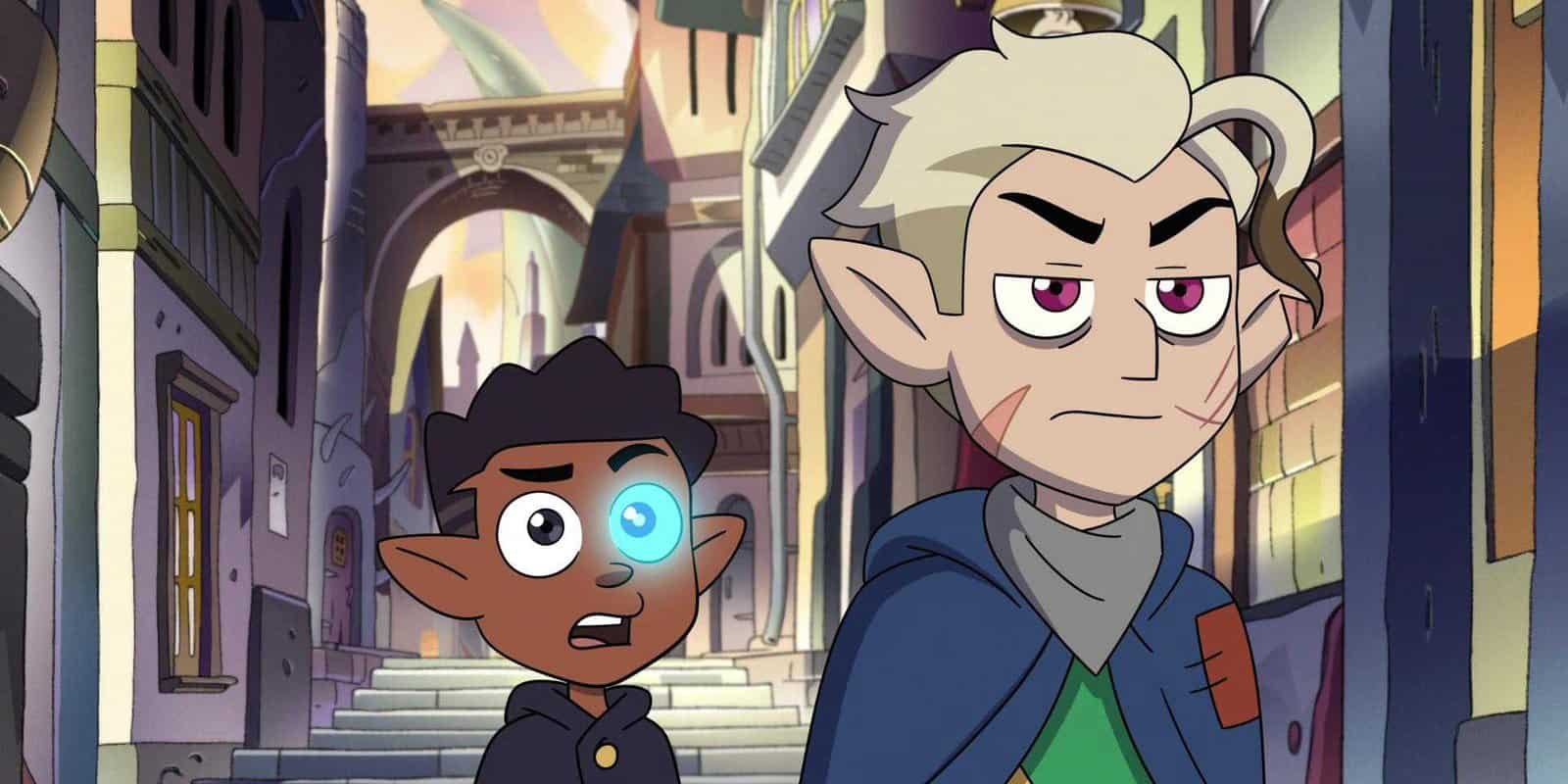
Luz finds her way into a magical land and becomes a witch’s apprentice despite having no inbuilt magical talent. She enrolls at Hexside School of Magic and Demonics, starts poking around the realm, and works out that Emperor Belos has sinister plans for it.
From there the show becomes a group project: save the realm, dig up the truth about everyone’s pasts, get Luz home in one piece.
Yes, it’s a magic school show. Stay with me.
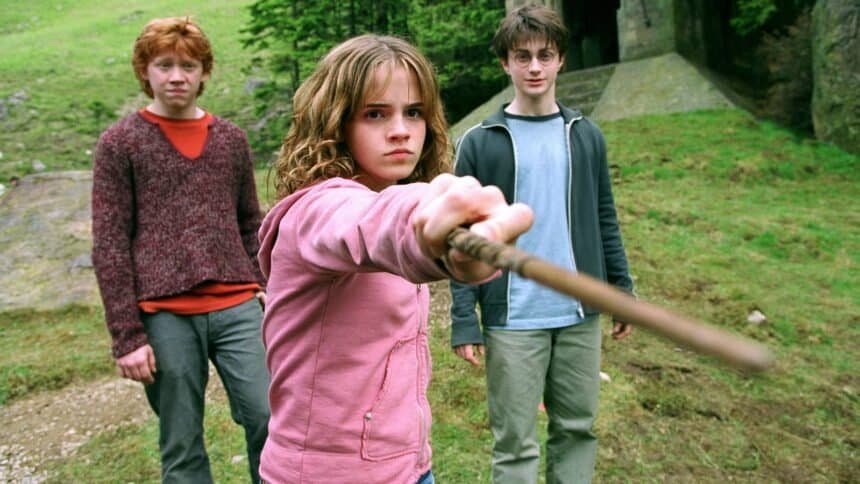
Magical schools have been a fantasy staple for decades. Harry Potter sold the idea to an enormous international audience, and The Owl House knows it.
It also knows where that story creaks. Rewatching Harry Potter surfaces problems that The Owl House sidesteps entirely, starting with a cast diverse enough to resemble actual life, fantasy setting be damned.
And it doesn’t pretend the comparison isn’t happening. The Choosy Hat scene is a straight parody, played for laughs, aimed directly at the source.
The premise overlaps. The spirit doesn’t.
The show it actually resembles
The Owl House shares DNA with Adventure Time, another series that looks like a kid and his dog wandering a quirky animated world and turns out to be far deeper than advertised.
Both circle good, evil and redemption. Both use coming-of-age stories to argue you build your own destiny rather than waiting around to be anointed as the Chosen One.
The Owl House drops that idea into a setting that looks like Hogwarts, then delights in pointing at the plot holes. Self-aware, and funny about it.
There aren’t many shows doing this. Other platforms should be taking notes.
The cancellation, and what Disney reportedly said
Some viewers pushed back on the pacing, which gets uneven toward the end. Critics went the other way, praising the representation, the worldbuilding and the character arcs.
Disney canceled the show after season three, reportedly because it didn’t fit the Disney brand. The series was allowed to finish anyway, with the third season restructured as a run of specials.
Working under that constraint, it still landed a 100% positive critics score. It earned every point.
Season one aired in 2020: 100% from critics, 83% from audiences. Season two aired in 2021 with the same split, 100% and 83%. Season three arrived in 2022 with no critics’ rating listed and an 81% audience score.
Where the story goes from here
Some lore never got explored. The ending still lands emotionally, which matters more.
Fans keep hoping for a return, and the series doesn’t appear to be coming back to screens. What does exist is a sequel in graphic novel form, built around King.

The full setup, for anyone starting cold: Luz Noceda is a creative teenager who stumbles into the magical Boiling Isles and becomes the apprentice of the rebellious witch Eda Clawthorne. She can’t perform magic. She learns the craft anyway, alongside new friends, while uncovering the secrets of a realm ruled by the mysterious Emperor Belos, whose plans threaten the future of the Isles.
The Owl House doesn’t have the acclaim that follows Harry Potter and Adventure Time around. It takes the best parts of both and builds something of its own, and it’s overdue for a bigger audience.
Three seasons. One perfect score. A girl with no magic in her, arguing her way through a school that was never built for her.