
The rescue is off. NASA has pulled the plug on the part of the mission that mattered most: nobody is pushing the Neil Gehrels Swift Observatory back up where it belongs, and the telescope is expected to re-enter and burn up in Earth’s atmosphere later this year.
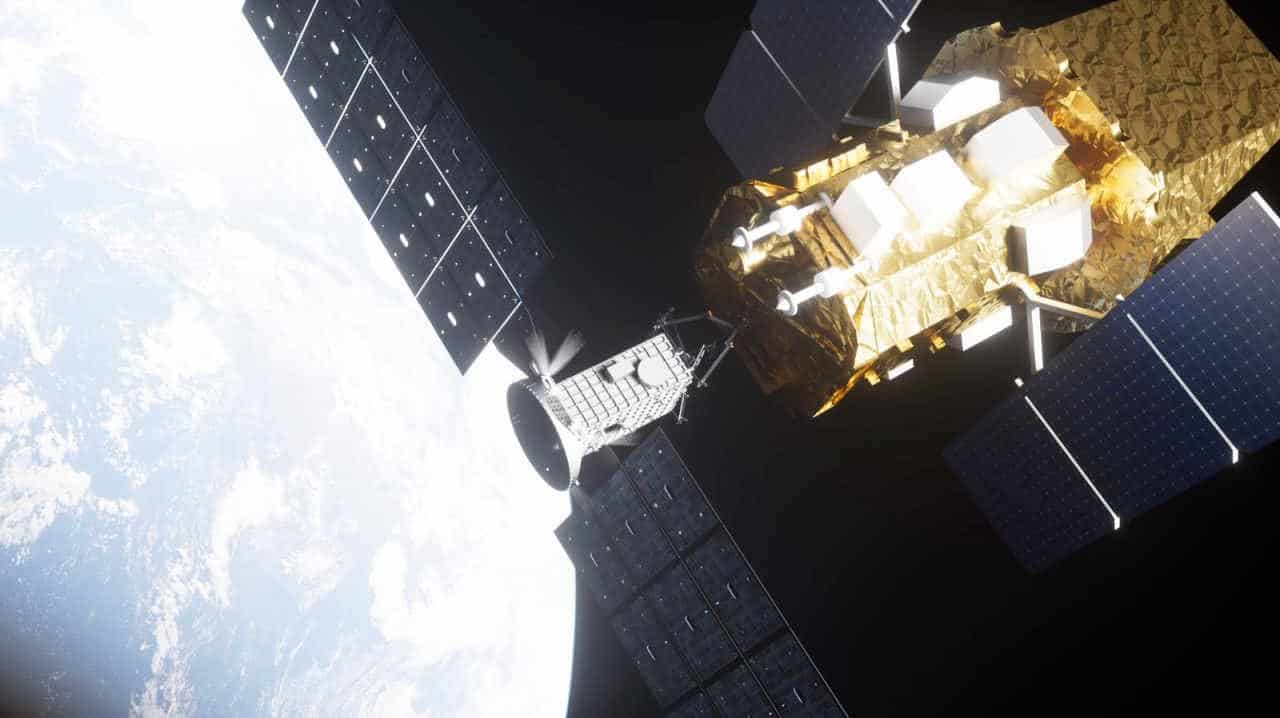
Katalyst Space’s LINK spacecraft was supposed to dock with the satellite and boost it to a higher altitude. It won’t. NASA pinned the decision on LINK’s attitude control problem, the one that started in late July and never got better.
The spin that ended it
Back when the trouble surfaced, NASA said the spacecraft couldn’t manage its orientation in orbit and was spinning helplessly. Communications with LINK went sporadic. Its thruster system lost some functionality too.
As recently as last month, NASA and Katalyst were still saying the spacecraft could pull the job off. That optimism is gone.
Less than a year to build a rescue vehicle
Katalyst had under 12 months to design the spacecraft for the Swift Boost mission, which launched in early July. That’s not a normal timeline for anything that flies.
Shawn Domagal-Goldman, the Astrophysics Division director at NASA Headquarters in Washington, called it a “high-risk, high-reward mission” from the start. Nobody had tried this before, and the team was racing a decaying orbit driven by rising solar activity over recent years.
What’s actually being lost
Swift launched in 2004 to study gamma ray bursts. Astronomers have since pointed it at plenty of other things, and NASA has leaned on it to grab critical information fast when something sudden happens in the sky.
The boost was supposed to buy the observatory a decade or so. Instead, NASA says it will prioritize finding “new options to react rapidly to cosmic events,” while leaning on current missions to cover the gap in the meantime.
LINK still has one job left
The spacecraft will still attempt to rendezvous with Swift. No tugging, no altitude change, just the approach.
NASA and Katalyst plan to squeeze as much data as they can out of the rendezvous operations and hand it to future satellite servicing missions. That’s the salvage value here, and it’s not nothing.
“This is not the outcome we were working toward, but it does not change why this mission was worth attempting,” said NASA Administrator Jared Isaacman. “The team moved with extraordinary speed to give Swift a chance to carry out more science while advancing capabilities America will need for satellite servicing in the future. We are going to learn everything we can from LINK’s rendezvous attempt and put those lessons to work on the missions that follow.”
Watch what LINK does on approach. That telemetry is the only thing standing between this attempt and a total write-off, and it’s the piece that determines whether the next servicing mission starts from a better place than this one did.