

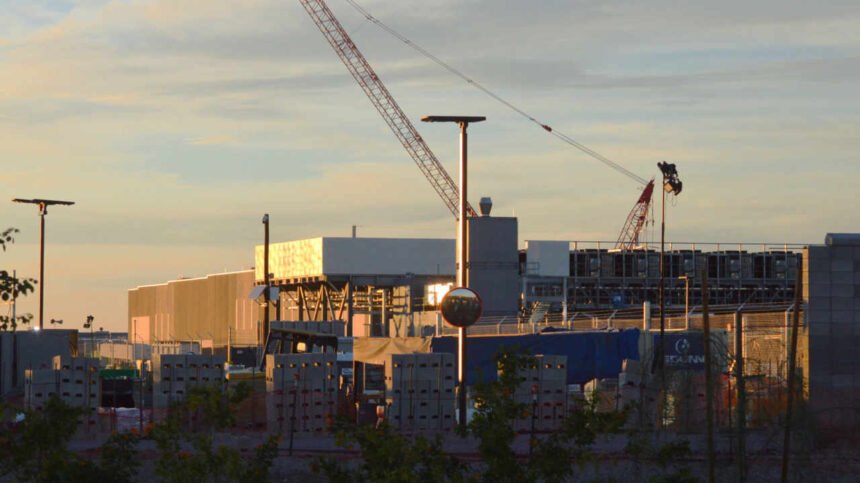
The pitch is a trade. AI data centers agree to dial back electricity use when the grid is straining, and in return utilities plug them in years sooner than they otherwise would.
That’s the deal NVIDIA, Google and Emerald AI are floating with the AI Energy Management Alliance, a new coalition the companies announced. The stated goal is more flexible AI data centers that don’t wreck electricity grids or trigger enormous, taxpayer-funded infrastructure upgrades.
The wait is the whole problem
New US data centers can sit in the interconnection queue for a decade or more. Utilities have to prove they can serve everyone at the worst possible moment, “including on sweltering afternoons when air conditioners are running full tilt,” Emerald AI CEO Varun Sivaram wrote in a Fortune article.

Here’s the number that makes the argument work. The grid runs at only 50 percent utilization on average. If “AI data centers were flexible during the grid’s worst hours of the year, America could unlock 100GW on our existing grid for flexible data centers,” Sivaram wrote.
So the constraint isn’t generation. It’s the handful of hours a year when everyone’s air conditioning is running at once.
Built for a grid that doesn’t exist anymore
NVIDIA frames it as a mismatch in its own blog post. US power infrastructure was designed around “flat, static electricity demand,” not computing centers that can throttle themselves on command.
The fix AEMA wants standardized: data centers that shift computing workloads, discharge storage and respond to system contingencies. The phrase NVIDIA uses is a “controllable resource rather than an inflexible load.”
Concretely, that means batteries to carry facilities through peaks, on-site generation to prop up demand and software that can “slow, pause or shift less urgent computing.” Nothing exotic. The hard part was never the hardware.
What the rulebook would actually say
AEMA is proposing principles around “setting clear rules for facilities regarding staying connected during brief grid disturbances, reducing power use when needed and responding to emergencies.” Technical requirements, performance metrics and operational data sharing get standardized too.
The other half of the bargain is the part utilities have to sign: faster grid connections, with costs potentially shared.
What it doesn’t touch
Read the proposal closely and you’ll notice what’s missing. AEMA doesn’t address the pollution these data centers generate through their energy demands. It doesn’t address the noise. It doesn’t address the general disruption to neighboring communities.
It addresses one thing: getting data centers connected faster in exchange for being less of a headache for regional grids.
That’s a narrower deal than the framing suggests, and the timing isn’t subtle. Public backlash against AI data centers has grown loud enough that politicians are starting to do the math on their own re-election odds.
The lobbying arm says the quiet part
Sivaram is explicit about where this goes next. “AEMA will press this case in state capitals and in Washington. Our ask of governors, regulators and federal policymakers is simple: offer data centers that commit to flexibility a faster and larger grid connection — and hold them to it,” he wrote.
“And hold them to it” is doing a lot of work in that sentence. Enforcement is the entire question, and it’s the one piece the coalition is handing to regulators rather than solving itself.
If you live near a proposed site, the offer on the table is that your regional grid gets stressed a little less on the hottest afternoon of the year. Whether that’s worth accelerating the queue is a conversation happening in county meetings right now, and the anger in those rooms suggests residents are weighing it differently than the coalition is.