


Two dollars per gigabit. That’s the number buried in a supply chain report out of Korea, and it’s the reason your next iPhone might cost more than the one you just decided was already too expensive.
Apple has reportedly agreed to pay Samsung roughly $2 per gigabit for LPDDR5X RAM and about $0.33 per gigabit for NAND storage starting in the first quarter of 2027. Put that against what Samsung was charging in the third quarter of 2026, which was $1.50 and $0.26 per gigabit respectively, and the jump isn’t subtle.
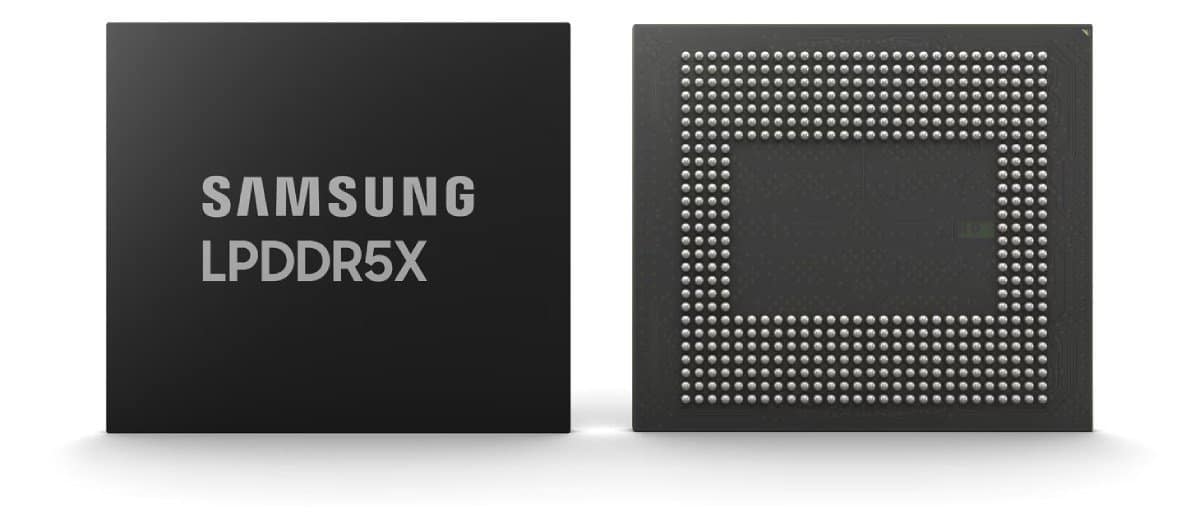
Memory is one of the few components in a phone that scales directly with the spec sheet. A base-storage model and a maxed-out one differ by hundreds of gigabits of NAND. When the per-gigabit cost moves, the high-capacity configurations move the hardest.

You’ve already paid the first increase
This isn’t a hypothetical future problem. The iPhone 18 Pro and iPhone 18 Pro Max arrived with a price increase over last year’s models, and it landed everywhere.
In the US, the new phones sell for $100 more than the iPhone 17 Pro and 17 Pro Max. In Greece, the increase came in at roughly 100 euros, near enough to the same move once you account for currency and VAT.
And it wasn’t confined to the top of the lineup. Even the iPhone 16, a model that’s been on shelves long enough to normally drift downward in price, went up instead. Hardware market conditions pushed it there.
That’s the part worth sitting with. Older iPhones getting more expensive is not how this category has worked for most of its existence.
Samsung is negotiating with everyone, and not everyone said yes
Samsung has been in talks with multiple manufacturers about adjusting DRAM and NAND pricing. Apple is one of them, and according to the reports the two have reached a new agreement with Apple accepting the terms.
Oppo and vivo did not. Both have refused Samsung’s higher pricing, per the same report, though there’s no further detail available on what that standoff looks like or how it ends.
That split tells you something about leverage. Apple can absorb a memory increase and pass it along to a customer base that has repeatedly demonstrated it will pay. A brand competing on price in markets where $50 decides the sale has a much smaller cushion.
What this actually means for a 2027 iPhone
Nobody has confirmed a price. The reports establish what Apple is expected to pay for components, not what Apple will charge you, and those are different conversations held in different rooms.
But component costs don’t usually get eaten quietly, and Apple just showed in this cycle that it’s willing to move the number. The $100 increase on the 18 Pro is the precedent, and it happened before this agreement takes effect.
If the pattern holds, the pressure shows up first where memory content is highest. That means the Pro and Pro Max tiers, and specifically the 512GB and 1TB configurations that already carry the steepest upgrade steps.
The timing gives you a window
The new pricing starts in the first quarter of 2027, which means devices built and sold before then are working off the older component agreement.
If you’re on an iPhone that’s holding up and you were planning to stretch it another year or two, that calculus has changed. Waiting has usually meant a better phone for the same money. Here it may mean the same phone for more money.
The flip side is that none of this is signed in public. Supply agreements get renegotiated, memory pricing has cycles, and a report out of Korea about Q1 2027 terms is still a report about something more than a year out.
Buy the storage now, not later
Here’s the concrete move. If you’re buying an iPhone in the next several months and you’re hesitating between storage tiers, take the larger one.
Storage upgrades are the single line item most exposed to a NAND price increase, and they’re the one thing on the configuration page you can’t change after the fact. The gap between tiers is as cheap right now as it’s likely to be.
And if Oppo and vivo hold their line while Apple pays up, the price spread between a flagship iPhone and a flagship Android in 2027 could widen in a way it hasn’t in years.