
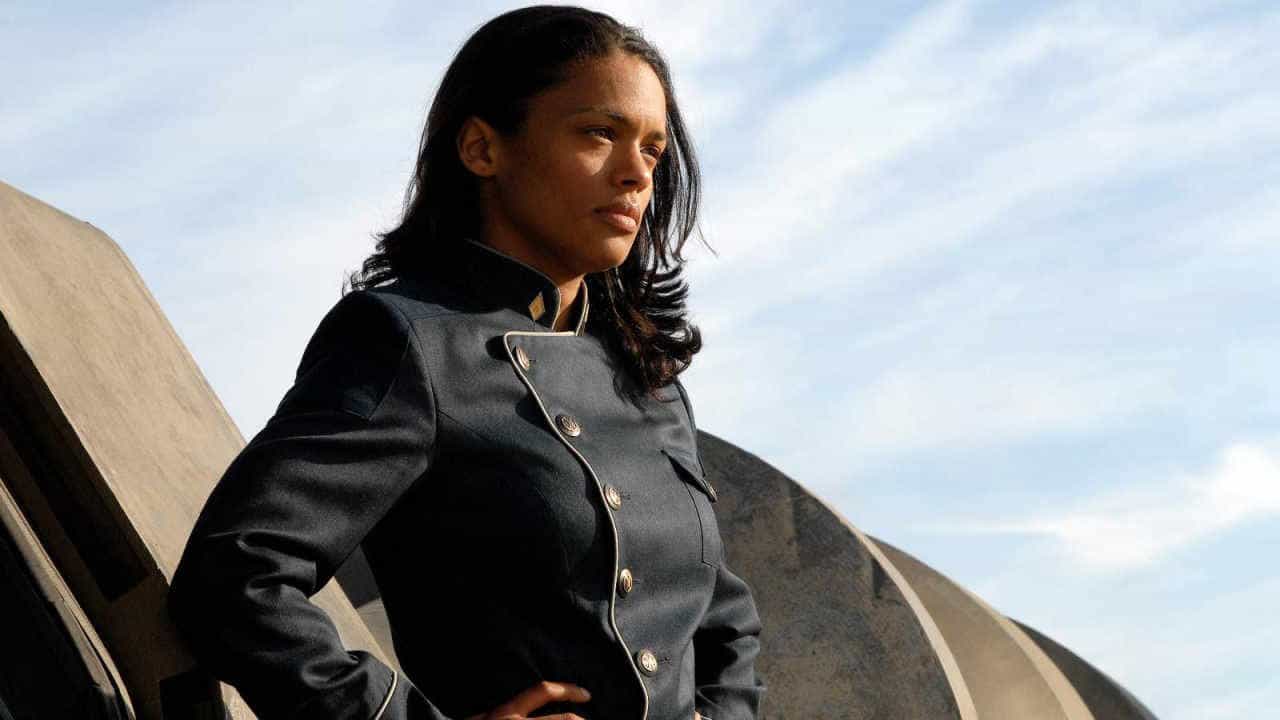

In 1978, the Cylons were the scariest robots on television. By 1989, they looked like a toy line.
That’s the humiliation at the center of one of science fiction’s longest grudges, and it took Battlestar Galactica more than a decade to settle it.
Start with who got there first. The Cybermen waited years for real competition, having established themselves as the genre’s first truly iconic robotic species that wanted humanity wiped out in a wave of cold, emotionless steel. Twelve years after they clanked their way through a weary First Doctor’s era, Battlestar Galactica arrived with the Cylons.
The show that made man vs. machine the whole point
The difference was structural. Battlestar Galactica’s entire premise was an ongoing war between fleshy humans and those clunky Cylons, making it one of the first TV shows to put man vs. machine front and center. An overwhelming, technologically superior force of emotionless robots hunting human life across a galaxy.
That premise is table stakes now. Terminator did it. The Matrix (official site) did it. Battlestar Galactica was standing at the front of the line.
Star Trek, for all its 1960s reach, hadn’t managed the same thing. The robot enemies Captain Kirk’s crew ran into were mostly oversized gray cabinets with flashing lights and tinny voices, computers gone wrong or programmed to do wrong. Trek’s real villains, the Klingons and the Romulans and the Gorn, were flesh and blood. That distinction mattered.
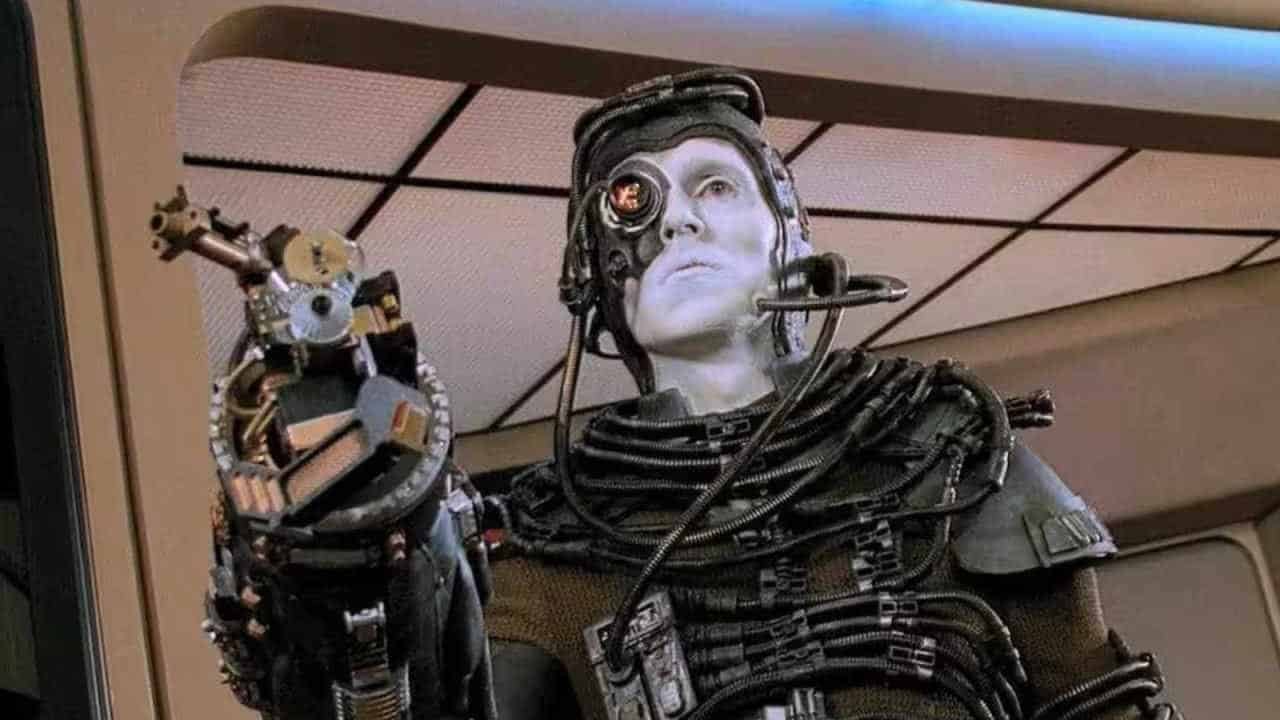
Then “Q Who” happened
Everything shifted in 1989. After a debut season that was really quite underwhelming, Star Trek: The Next Generation dropped the Borg into the middle of season 2, and sci-fi got a new chapter whether it asked for one or not.
The Borg assimilated themselves into pop culture aggressively, defining Star Trek for decades with runs in Voyager, Picard and a successful stretch on the big screen. It’s difficult to overestimate what they did to the genre. It’s just as difficult to ignore how much they resembled the 1978 Cylons.
The timing helps explain it. “Q Who” landed when robots were becoming a Hollywood staple, turning up everywhere from 2019 Los Angeles to the crime-ridden streets of future Detroit. The stories were getting denser too, folding in questions of existence, sentience and legal ethics.
But the Borg weren’t a philosophy seminar. They were a robotic race that despised the living, carried overwhelming firepower and would chase a ship to the end of the galaxy just to kill whoever was inside. Read that description and try not to see the Cylons in it.
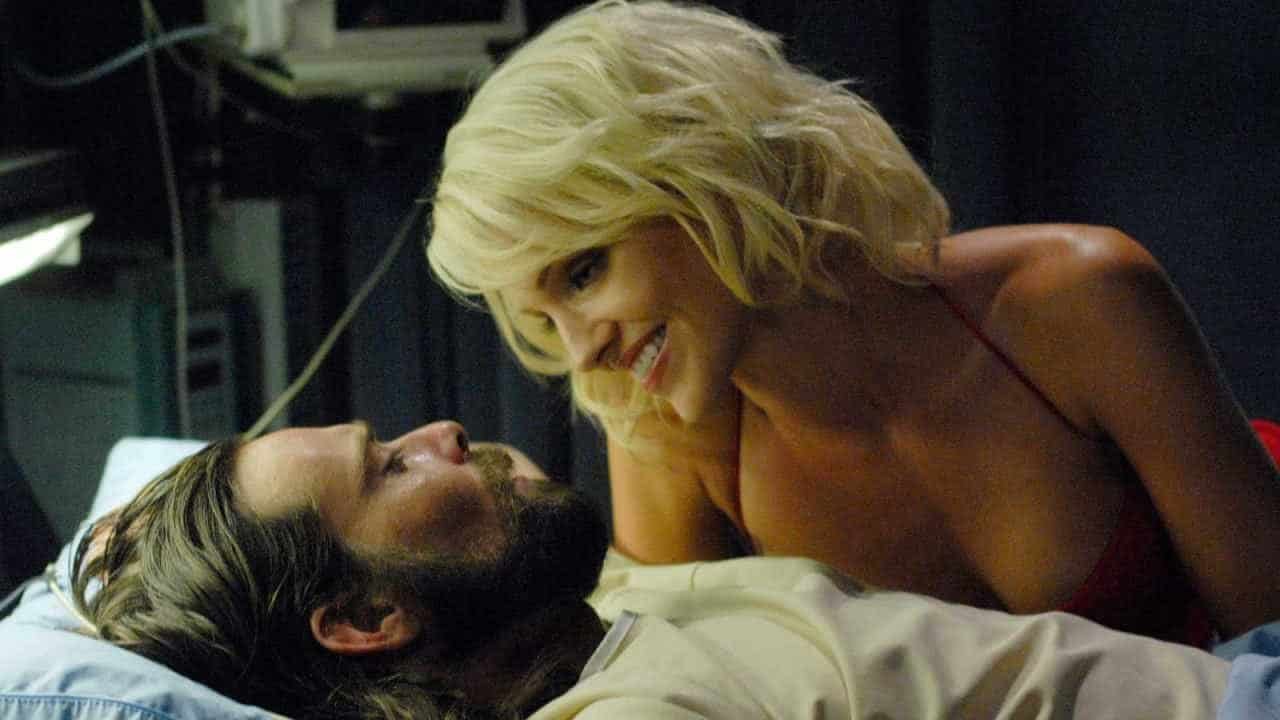
Cylons, but with the fear turned up
The Borg were Cylons in overdrive. Where Battlestar Galactica’s villains skewed cartoonish, the Borg had genuine dread in them, pale and ghoul-like, and The Next Generation pushed further into horror by revealing that captured humans were recycled into hosts.
Their ships were dingy and callously efficient. Their voices were calm and awful. And when Jean-Luc Picard himself made the trip to the assimilation spa, Star Trek started picking apart what actually makes a human human.
Next to that, the Cylons looked obsolete, filed away with black-and-white TVs and vinyl. The villains that let Battlestar Galactica stand apart from Star Trek in the 1970s got lapped by Star Trek in the 1980s.
2003, and the overhaul nobody saw coming
Twenty-three years had passed since Galactica 1980 wrapped. The Next Generation had been off the air for nearly a decade, Enterprise wasn’t filling the hole, and being a prequel kept it from touching the Borg in any meaningful way.
Meanwhile Ronald D. Moore was rebuilding Battlestar Galactica for the new millennium, and calling it a reboot undersells the job. This was a rebuild down to the chassis, and the biggest change went to the Cylons.
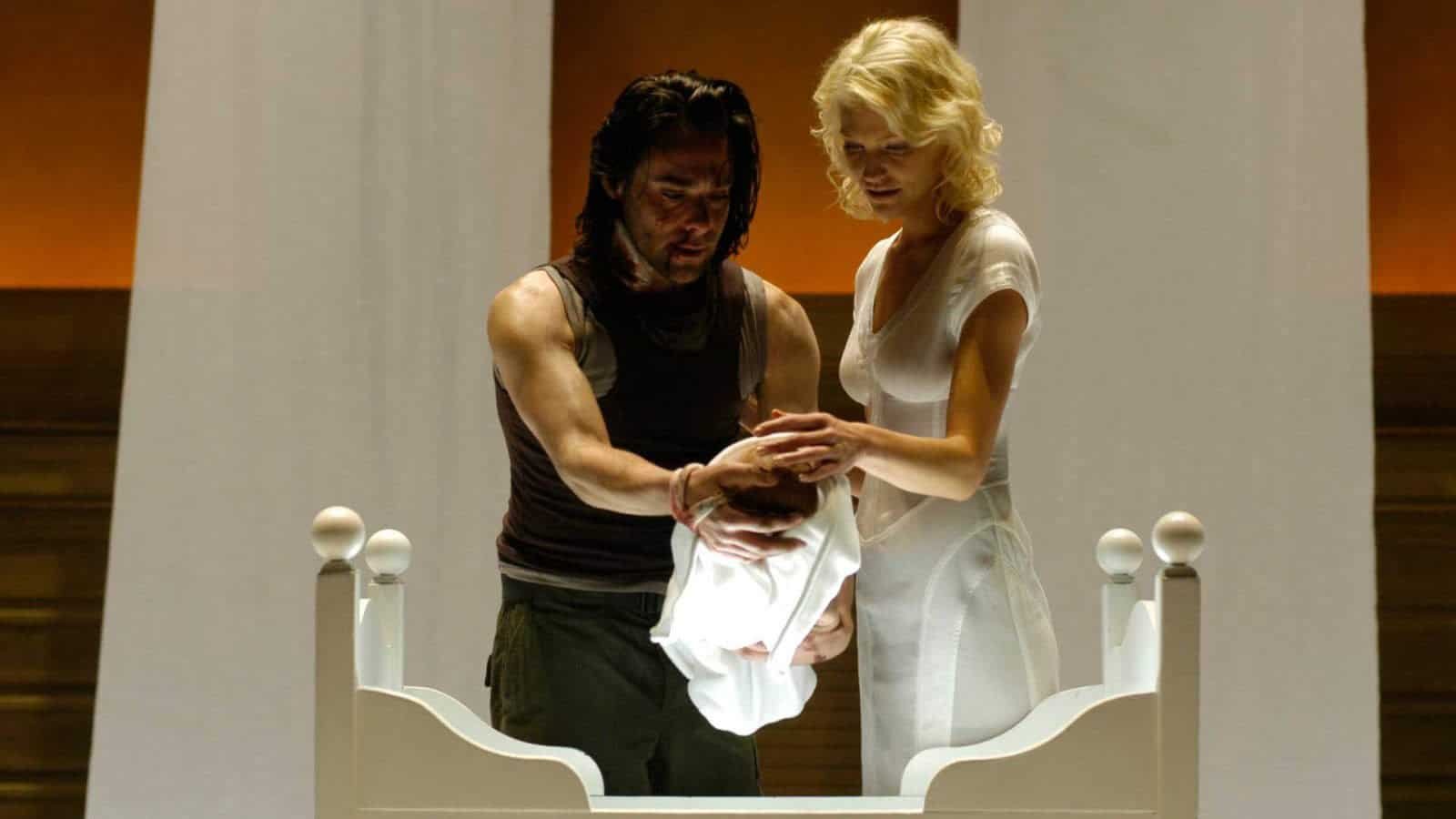
Now they wore human faces. The chrome robots from 1978 were demoted to footsoldiers in a larger, scarier empire, one with imposing otherworldly vessels, a hive-like consciousness and a grand philosophy about what life in the universe should look like.
Which, strangely, made them closer relatives of The Next Generation’s Borg than of their own ’70s predecessors. The twist was the sharpest part: rather than assimilating humans, these Cylons became humans. Or the other way around. Or both at once.
Hiding in plain sight beat assimilation
If the Borg were a leap past the original Cylons, the distance from the Borg to the rebooted Cylons was a chasm. Villains you can’t identify are worse than villains you can see coming, and the moral ambiguity gave the show a complexity Star Trek had only gestured at through Hugh and Seven of Nine.
There’s also a practical point. The Borg were never built to carry The Next Generation week after week. The Cylons carried Battlestar Galactica for its entire run, and the show never bothered introducing another villainous species.
The reboot ended in 2009 and the Cylons still haven’t been dethroned as sci-fi’s premier robotic villains. The Borg have come back in modern Star Trek projects with mixed results, never far from the ’90s version. Multiple attempts at another Battlestar Galactica reboot have stalled out, which might be the kindest outcome available.
Doctor Who’s Cybermen keep doing the Cybermen thing. No new robotic race has climbed past the Cylons anywhere in the genre.
Part of that may be real-world technology catching up, which has only made the Cylons and the Borg look more plausible. Modern depictions of AI have grown more nuanced because of those same developments, so metallic armies marching on humanity may simply feel dated in 2026.
No movement on Battlestar Galactica’s future. No fresh Star Trek series on the horizon. The Cylons get the last word in the cyborgs-taking-over-the-galaxy business. For now.


[…] Star Wars lore, the Executor stretched over 19 km. That’s Manhattan, floating in space, bristling with […]