
In Brief:
- Game launch: Ben.zzz, founder of Cambria (official site), reveals plans for the Genesis mainnet launch, introducing a carefully phased rollout.
- Initial access: The game will initially open to a capped group of players, referred to as “citizens,” aiming to manage economic risks in a permanent on-chain environment.
- Evolution of gameplay: Genesis aims to integrate Dungeons, Islands, and Gold Rush modes into a cohesive universe with ongoing expansions.
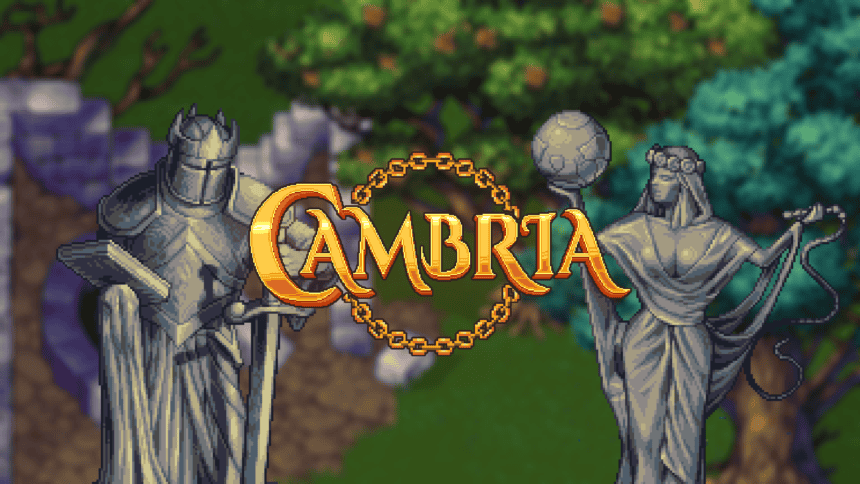
Cambria prepares for Genesis mainnet
Cambria's Genesis mainnet will feature a smaller, staged launch compared to previous seasonal servers, aligning with its ambition of creating a lasting game economy. Founder Ben.zzz shared this information in a post on X on September 21. He described the endeavor as among the toughest he has faced, primarily due to the absence of a reset option for the game’s economy.

The studio plans to limit initial access to a select group of “citizens,” who will engage with core asset loops before the game expands to a larger audience. “None of this will be a free lunch that you can just freely take profit from,” Ben said. “Initial group will also take upfront risk.”
Past seasons saw player counts between 3,000 and 4,000. In contrast, the Genesis mainnet will begin with fewer participants, gradually incorporating more players and systems in waves. This approach aims to allow for better control over game expansion in response to player activity trends.
The Genesis mainnet is a component of Cambria’s broader vision for a unified universe, linking its Dungeons, Islands, and Gold Rush modes. A previous development update outlined plans for this shared world, emphasizing short dungeon sessions, island communities, and inter-player competition.
Gold Rush’s development will focus on resource extraction, raids, and crafting, with gameplay elements interconnected to bolster the game’s economy. The Islands will serve as social hubs and guild infrastructure, allowing players to monetize their space.
Currently, the game operates through financial gameplay in Dungeons, where players buy keys with USDC. At a cost of $0.10 each, players can risk multiple keys, enhancing potential rewards based on their choices of equipment and combat styles.
As the ecosystem evolves, Cambria seeks to create a balanced and enduring game economy that extends beyond short-term gains.