



Richard Madden is going to spend a whole season of television clearing a London hospital floor by floor while terrorists hold it hostage. That’s the pitch for Paramount+’s Trauma, and it’s the kind of premise that sounds like a bar bet until you realize how well it’s going to work.
Madden plays Jim Marchant, a former Royal Marine who became an ER doctor. His day goes from bad to worse, which in this genre means armed men take the building and the guy with the scrubs and the military background is the only person left who can do anything about it.
The hospital was already the scariest setting on TV
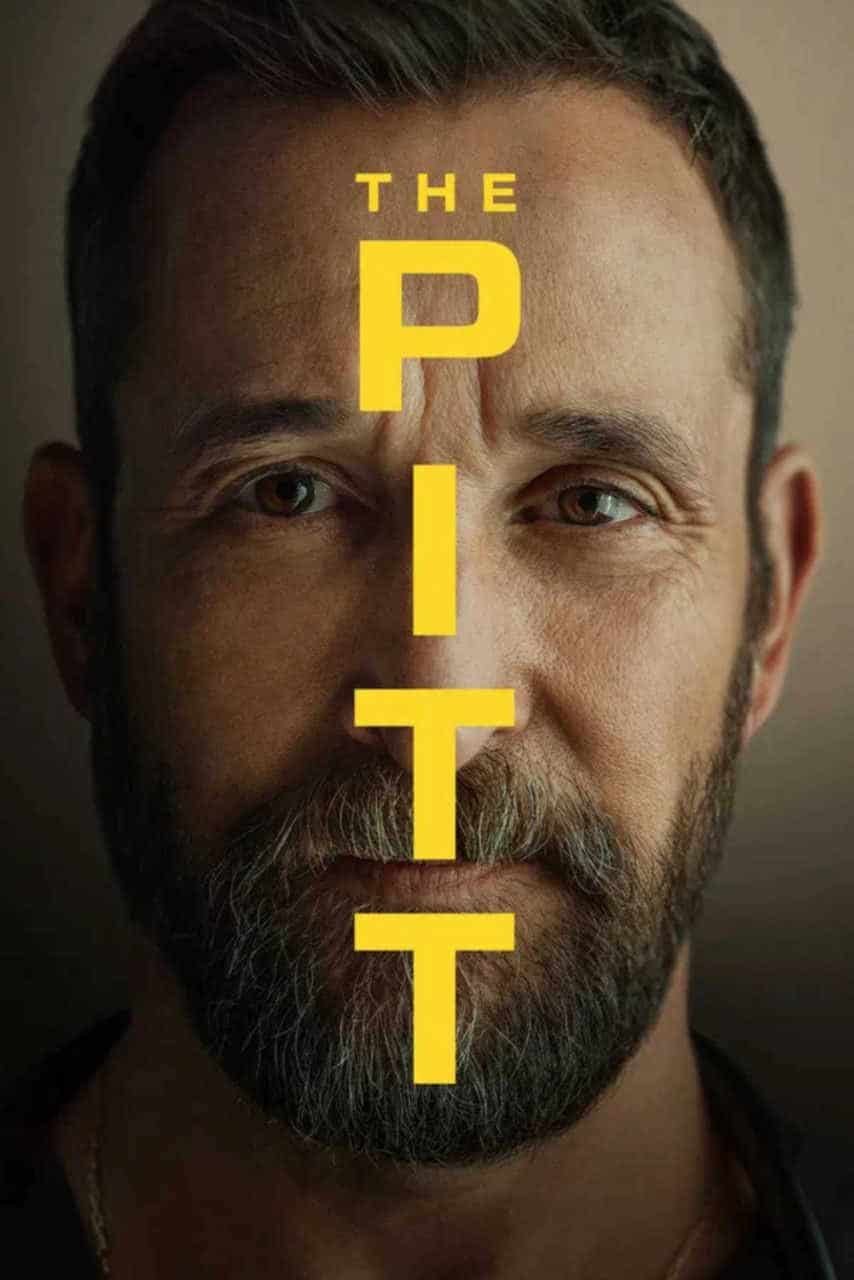
You can trace half of this show’s DNA back to The Pitt, HBO’s real-time medical drama that debuted in 2025 and turned into one of the most critically acclaimed new shows on television in the years that followed.


It’s set in the ER at Pittsburgh Trauma Medical Center, nicknamed “The Pitt” because it’s understaffed, overcrowded and generally chaotic. The show doesn’t blink at any of it. The US healthcare system comes off badly, and deliberately so.
Noah Wyle stars and co-created it, playing troubled attending Dr. Michael Robinavitch, the man presiding over a floor full of surgeons, student doctors, nurses, residents, interns and night-shift workers all trying to keep people alive with resources that were never going to be enough.

Real time isn’t a gimmick here
The format borrows E.R.‘s setting and 24‘s clock. On paper that reads like a stunt. In practice it’s the whole engine.
Critics kept coming back to the same observation: this show is considerably more stressful than E.R., Grey’s Anatomy or St. Elsewhere ever were. The real-time structure barely lets you breathe, and the tension keeps climbing across each season’s story rather than resetting.
Which raises an obvious question about the small number of viewers who watched all that and thought the stakes could stand to be higher. Trauma is apparently for them.
Everyone has been remixing Die Hard for 38 years
The other half of the formula goes back to 1988, when the Bruce Willis vehicle Die Hard became a massive box office hit. The plot was straightforward enough that imitators could lift the whole shape of it, and they did, relentlessly.
Speed, in 1994, was Die Hard on a moving bus. Under Siege, in 1992, was Die Hard on a submarine. Its 1995 sequel Under Siege: Dark Territory moved it to a train, and Sudden Death, the same year, put it in a stadium.
The formula is simple and the stakes build themselves. That’s why it still works in 2026, and why the Trauma announcement landed the way it did.
Why the hospital version might be the best one yet
A hospital comes with stakes already installed. Nobody has to explain why it matters if the building falls. Fuse that with the Die Hard conceit, where an ordinary person uses their actual job skills against terrorists in a place that makes no sense for a siege, and you’ve got something with real torque.
Madden, who most people still know from Game of Thrones, is a smart fit for a man who’s supposed to read as competent and out of his depth at the same time.
The writer is the part you should care about
The premise alone would have gotten Trauma on your list. The bigger news is that it comes from a writer on Apple TV’s spy series Slow Horses.
That show, based on the Slough House novels, took everything viewers expect from an espionage thriller and turned it sideways. Slough House is where once-promising spies get sent after they embarrass themselves professionally. It’s a career graveyard with a filing system.
By building the show around spies who aren’t slick and unstoppable, it made the world of espionage feel like a workplace instead of a fantasy. And that’s exactly what made the action land harder when the series eventually turned it up.
Across five seasons, Slow Horses proved that even MI6’s most flawed agents could be counted on to foil something major. Darkly comic, original and sometimes surprisingly brutal, it skipped the escapism of Netflix’s The Night Agent for something darker and more morally complicated.
Apply that instinct to a doctor with a Royal Marine’s training moving floor by floor through his own hospital, and the treat isn’t the shootouts. It’s whatever the show decides Jim Marchant is willing to do by the time he reaches the top.











[…] three found ways to make it work. The Pitt just isn't interested in the […]