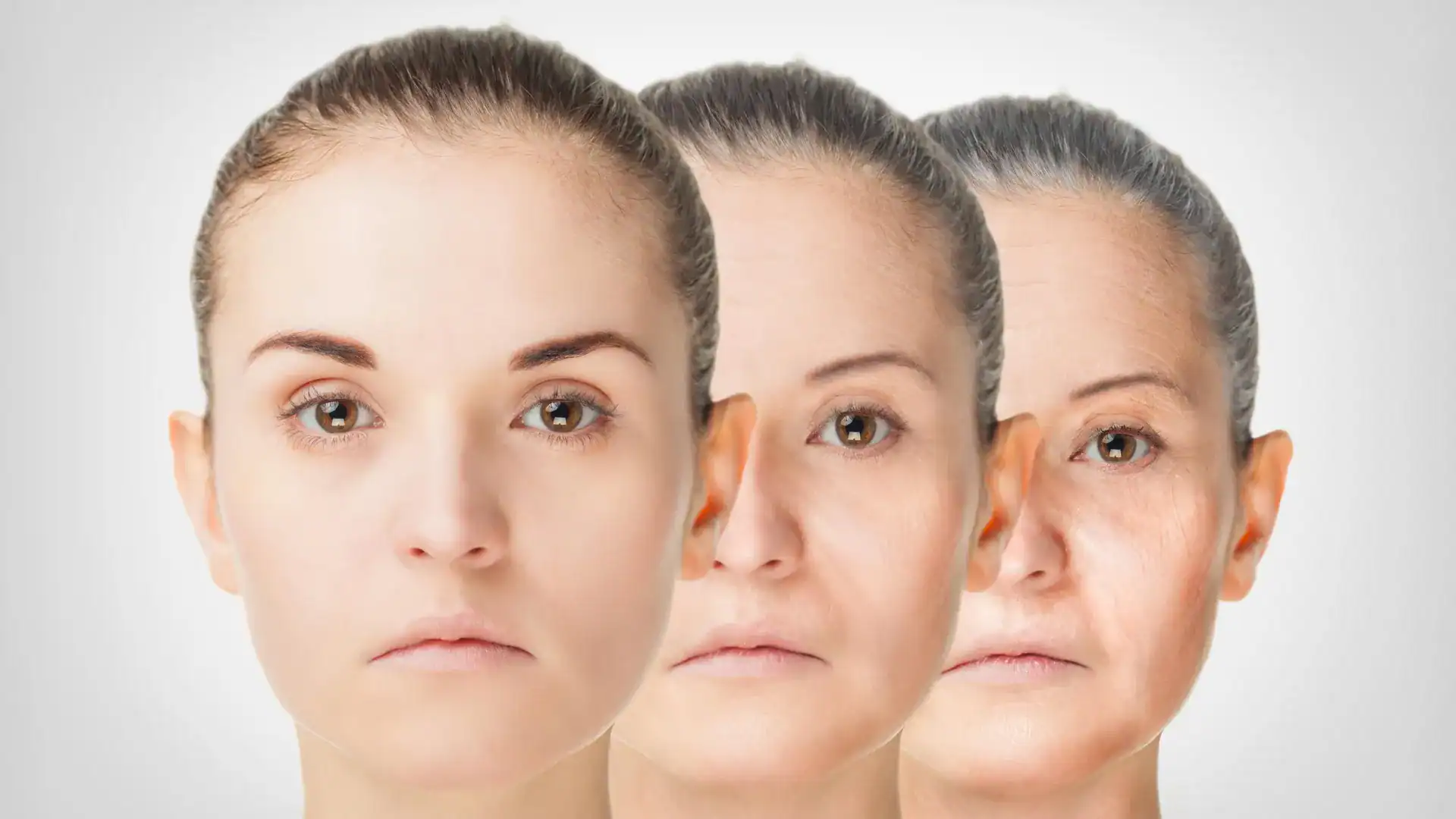

Cut a mouse’s food by 40% and it may live longer. It’ll also fight off infections worse, reproduce less successfully and grow poorly. That trade-off has haunted aging research for decades, and it’s the reason nobody serious has ever told you to starve yourself into your 90s.
A study published in Nature Aging suggests there might be a way around it. The target is an immune protein called complement component 3, or C3.
The trial that makes this worth taking seriously
Most calorie restriction data comes from mice, rhesus monkeys and fruit flies. Human data is thin, which is why the CALERIE trial matters here. It’s a two-year study funded by the National Institutes of Health, and participants cut calorie intake by 11 to 14% without feeling deprived.
"It’s the only trial of its kind that has been done with such rigor and control and demonstrates relevance to human physiology," said Vishwa Deep Dixit, PhD, Waldemar Von Zedtwitz Professor of Pathology, professor of immunobiology and of comparative medicine, and director of the Yale Center for Research on Aging (Y-Age) at Yale School of Medicine.
Dixit’s group had already shown that people cutting calories by 14% for two years developed stronger immune defenses without the growth or reproduction problems that wreck the mouse studies. Moderate works where severe doesn’t.
"This concept demonstrates that aging is actually malleable and a process that can be targeted," Dixit said.
One protein out of more than 7,000
For the new work, the team examined plasma samples from 42 CALERIE participants and measured more than 7,000 proteins across samples collected over time. C3 levels fell significantly after calorie restriction.
C3 is part of the complement system, a network of proteins that helps defend the body against pathogens. Earlier research has suggested that activating that system may contribute to chronic inflammation, which is considered a major feature of aging and many age-associated diseases. What nobody had was causation.
"But the causal effects of C3 in aging and chronic inflammation have not been identified. So, we were very excited to find that in our study," said Hee-Hoon Kim, PhD, a postdoctoral associate in the Dixit lab and a co-first author of the paper.
The source was in the wrong organ
Comparing protein levels before and after two years of restriction pointed to white adipose tissue, the main form of fat tissue in mammals, as the tissue most affected by the diet change. In mice, C3 expression rose with age, and biochemical testing identified visceral white adipose tissue as a major source of that increase.
That wasn’t the expected answer.
"We were not expecting that because these proteins are mainly synthesized in the liver," said Manish Mishra, PhD, a postdoctoral associate in the Dixit lab and a co-first author of the study.
Single-cell RNA sequencing narrowed it further, to age-associated macrophages, white blood cells sitting inside the fat tissue itself. Macrophages are first responders best known for engulfing pathogens, and Dixit added that they also help maintain normal tissue function.
"This whole process was unknown in the beginning," Mishra said. "Just to narrow it down to the subtypes of macrophages responsible for this complement protein production was very challenging."
Weight loss wasn’t doing the work
Here’s the finding that turns this from interesting biology into a possible drug target. Most participants lost about 18 pounds over the two years. The obvious story would be that less fat means less C3.
But when the researchers compared changes in body mass index against changes in complement protein levels, there was no relationship between how much weight someone lost and how far those proteins dropped.
"This suggests that calorie restriction has a beneficial effect that is unique to adipose tissues and is likely independent of weight loss," Kim said.
So they tested the shortcut directly. Using a drug to inhibit C3 activation in mice, mimicking one effect of calorie restriction, the animals developed less age-related inflammation.
A 1952 idea explains why this happens
Dixit frames the result through antagonistic pleiotropy, an explanation for aspects of aging proposed by biologist Peter Medawar in 1952. Systems useful early in life can turn harmful later.
Growth hormone is the textbook case. Essential during early development, and later in life it may also contribute to cancer.
C3 and its relatives evolved to protect against infection. Humans now live far longer than their ancestors, and some of those protective mechanisms may eventually start contributing to disease. Reducing excessive C3 activity could potentially help extend health span, Dixit said.
What happens next, and the obvious risk
The team is now studying whether FDA-approved inhibitor drugs could suppress C3 production and potentially slow aspects of aging in humans. Repurposing approved drugs is a faster path than starting from scratch, but the danger is written into the biology: switch off complement and you’ve switched off part of your infection defense.
"The idea is not to remove complement systems that are required for us to fight infections," Dixit said. "Instead, the goal is to restore the balance."
Until that balance is worked out in people rather than mice, the only human intervention with two years of controlled data behind it is still the one from CALERIE: eating 11 to 14% less, without feeling deprived.