
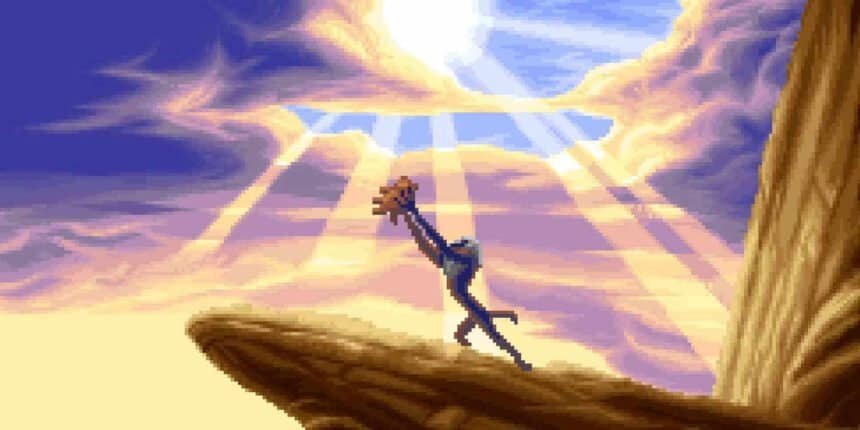
Disney wanted The Lion King to be hard. Not challenging. Hard. The studio reportedly pushed its developers to crank the difficulty because a kid who couldn’t finish the game in a weekend was a kid whose parents rented it again.
That’s the ’90s in one anecdote. Difficulty wasn’t always a design philosophy. Sometimes it was a business model.

The decade was, by some measures, gentler than the ’80s. Franchises like Castlevania slowly walked their brutality back. But plenty of games went the other direction and served up ordeals that only phenoms or masochists could survive. Here are 10 of the worst offenders, counting up to the cruelest.
10. The Lion King made kids cry on purpose
The trap is how friendly it looks. A tie-in for a cartoon about a lion cub shouldn’t be able to hurt you.
It can. The first level is fine, a gentle stroll through the grass. The second level is where reality lands, and it’s where a startling number of players stopped forever, never seeing Simba grow up at all.
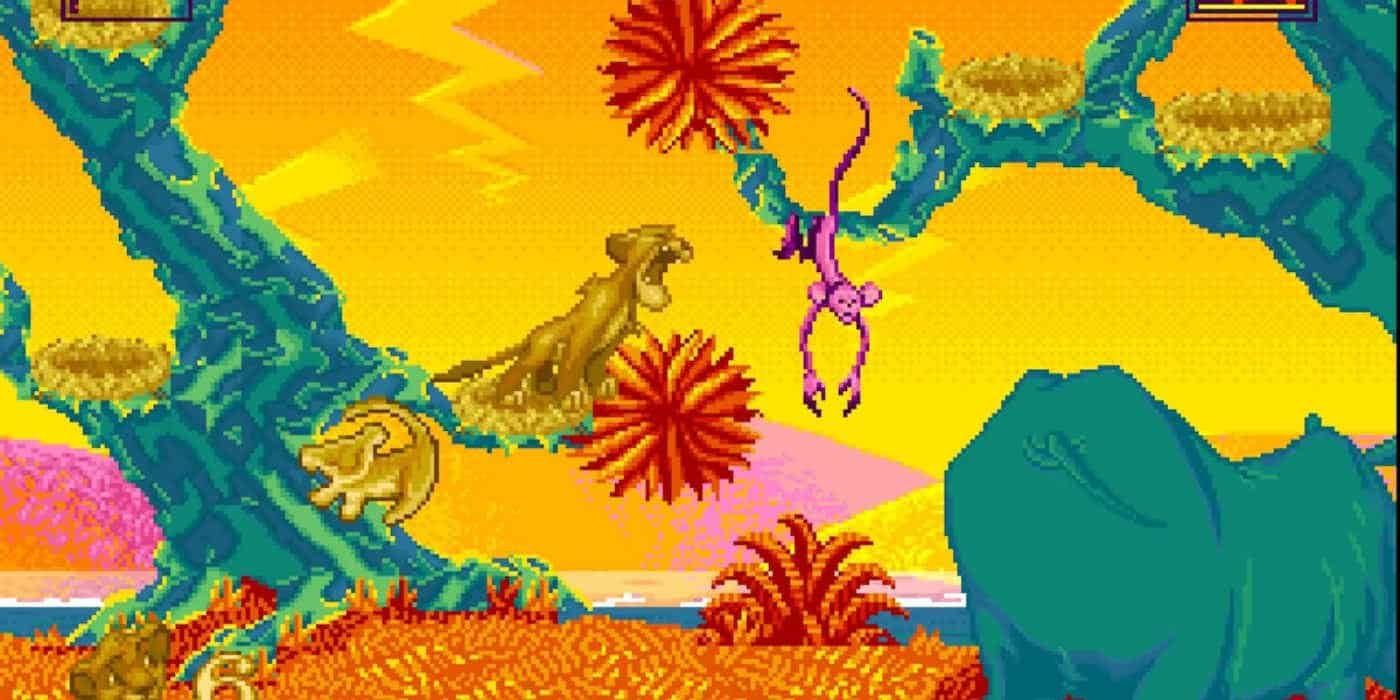
This isn’t the hardest game on the list. It might be the one that frustrated the most children, which is its own kind of achievement. The Genesis Aladdin has teeth too, but it whimpers next to this thing.
9. Driver put the boss fight in the tutorial
Most tutorials exist to teach you. Driver‘s exists to filter you.
The opening level drops you in a parking garage and demands a string of precise stunt maneuvers before the actual game will let you in. For a huge number of players, that garage was the entire experience. They bought a game about being a getaway driver and got a driving test they failed.
Look up the sequence today and it’s beatable. In 1999, with no walkthrough within reach, there was no light at the end of that tunnel.
8. Jet Force Gemini demands perfection from you and your allies
The N64 wasn’t exactly a difficulty destination. This one earns its spot on a technicality that’s more punishing than any boss.
The shooting itself is unremarkable, roughly on par with GoldenEye. The control scheme, though, will feel genuinely alien to anyone picking it up now.
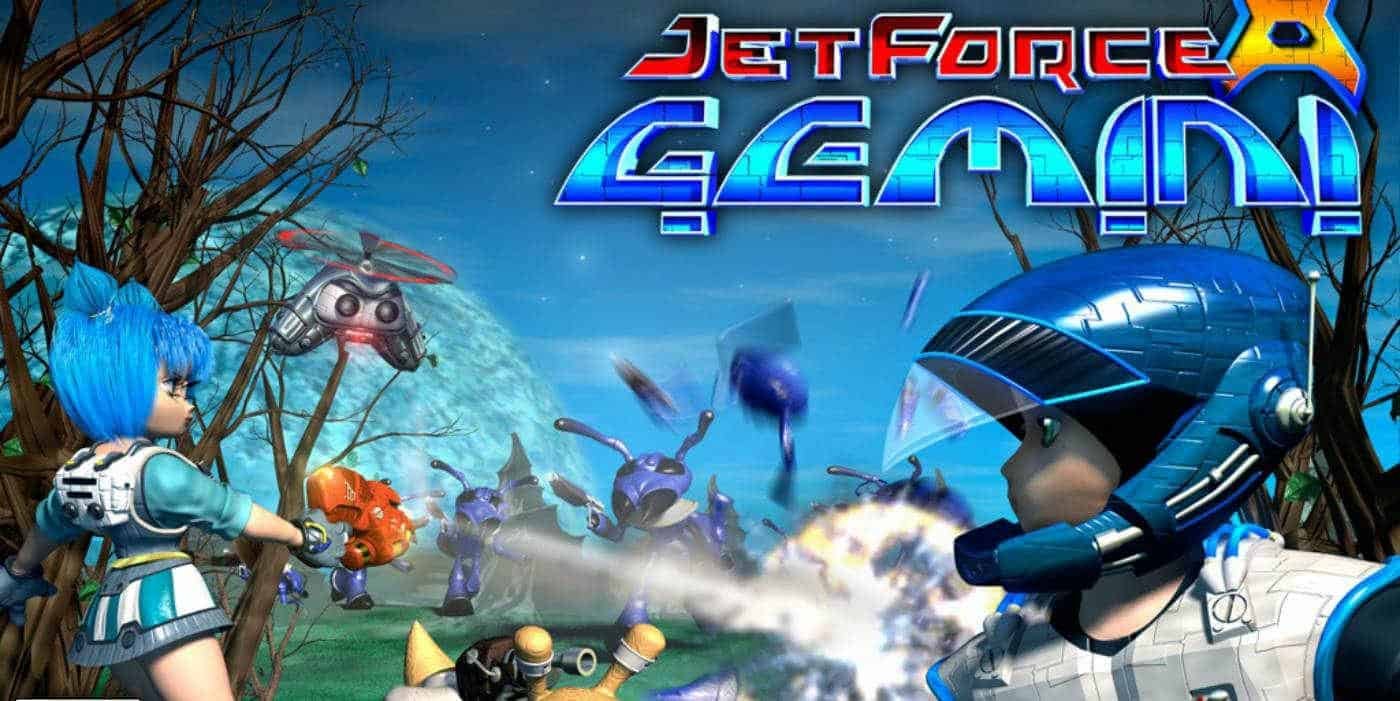
Then there’s the real problem. To reach the ending, you have to rescue every Tribal scattered across the game, and none of them can die. Other collect-a-thons of the era let completionism be optional. Here it’s the price of admission, and a hard boss fight is still waiting once you’ve paid it.
7. Rayman is a mascot platformer with a mean streak
Modern Rayman games are a pleasant way to spend an afternoon. The first one is not.
It wears the costume perfectly: cartoon characters, bright levels, the whole friendly package. Then it turns sadistic.
To be fair, it controls well, which separates it from a lot of period platformers that were hard by accident. The cruelty is deliberate. Slippery platforms, sprawling levels, almost no extra lives to cushion the fall. You figure out early that this is going to be a long haul.
6. Riven is hard and, unusually, fair about it
No enemies. No jumps. Still a wall.
Every Myst game asks a lot, but Riven‘s near-total refusal to guide you might be the peak of the series’ difficulty. You’re handed a world and left to reason your way through it.
Other ’90s adventure games have nastier individual puzzles, and Myst 4 has moments that top anything here. What sets Riven apart is that it’s well designed. It’s hard because it’s demanding, not because it’s broken, and that earns it a pedestal most of this list will never reach.
5. Super Empire Strikes Back doesn’t fight clean
Super Star Wars already turned A New Hope into a punishing ordeal. Sculptured Software and LucasArts looked at that and decided it needed more.
The sequel picks up right where the first left off and pushes Luke into worse trouble. Blind jumps, cheap hits, deaths that feel like the game cheating rather than you failing.
And yet it’s the better game. The mechanics are sharper, the whole thing is more polished, and the presentation is gorgeous enough that hardcore Star Wars fans may decide the abuse is worth it.
4. Shadow Tower is FromSoftware before anyone was ready
FromSoftware was making people miserable long before Dark Souls gave that misery a fanbase.
Shadow Tower may be the most alienating thing the studio ever shipped. Like the King’s Field games before it, it hands you almost nothing. How to explore, how to progress, what any of it means: your problem. It’s more consistently cryptic than Dark Souls ever was.
It also introduced weapon durability, so your tools decay while you’re already lost. Critics hated it on release and plenty of players did too. If you can stomach clunky controls and the complete absence of background music, it’s a fascinating look at where FromSoft came from.
3. Battletoads left scars on a generation
Spend enough time around retro game talk and the name surfaces. It’s said in one of two tones: hushed reverence or flat contempt. Both are earned.
Battletoads was genuinely good, which is the part people forget. Funny, great art, memorable music, and far more gameplay variety than any beat-’em-up of its era had any business having.
The difficulty was a feature the game advertised. It sold itself as a mountain, and a chunk of its audience bought it specifically to try the climb.
Then the bikes. The infamous high-speed stretch abandons brawling entirely for racing at a speed the human nervous system was not consulted about. It’s masterable. It just requires reflexes most people don’t have, and the alternative is running it again. And again.
2. Contra: Hard Corps was made crueler on the way to America
The first Contra was tough but learnable. Patient players got to the end.
Then the ’90s happened. Contra 3 is brutal, and Contra: Hard Corps on the Genesis went somewhere else entirely.
Konami pulled the same move it used on Castlevania 3 and made the US release harder than the Japanese one. The most powerful cheat codes were stripped out. Worse, the health bar was replaced with one-hit deaths, which turns every stage into a nightmare.
Want a fun Contra? Play the Japanese version. Want pain? You know which one to get.
1. Super Ghouls ‘n Ghosts never once lets up
The series built its name on this and the SNES entry honors the inheritance without mercy.
There’s no on-ramp. Level one is already showing you what it thinks of you, and the game never touches the brakes after that.
Every stage is stuffed with enemies, and stuffed again with cheap tricks and vicious traps that make the original Dark Souls look like a walk in the park. There’s a grim satisfaction in memorizing all of it, in learning where each death is hiding and stepping around it on the 40th attempt.
Reaching the end takes the patience of a saint. Arthur loses his armor in one hit and runs the rest of the level in his underwear, which is the game telling you exactly how much dignity it plans to leave you with.