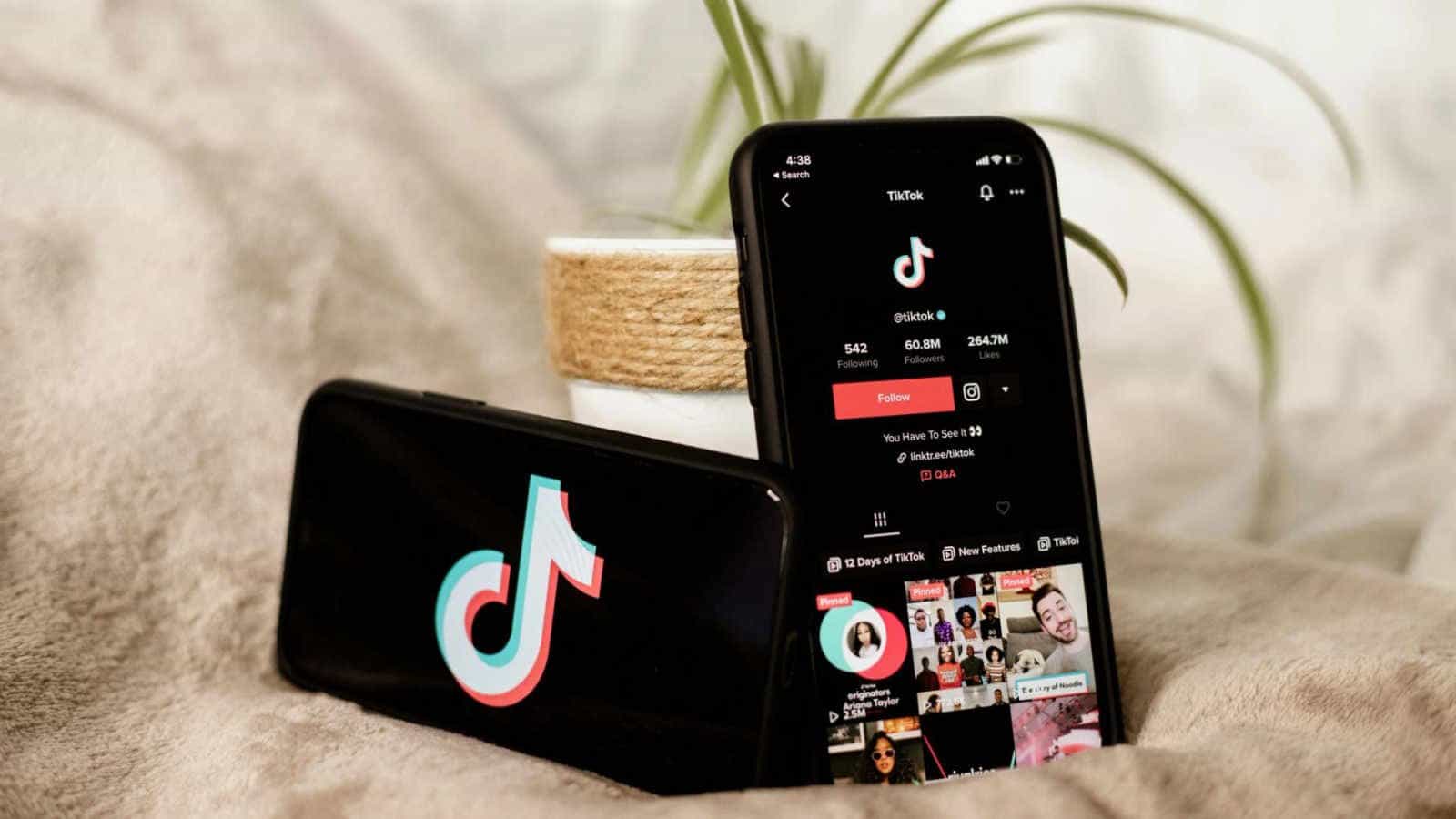

Buried in the current build of TikTok’s U.S. iPhone app is code for something the company won’t confirm it’s building: a way to send money to another person straight from a direct message. Bloomberg found it first. TikTok’s response was a shrug.
A spokesperson told Bloomberg the feature isn’t being tested anywhere right now. That’s the tell. Code that exists but has no test cohort is code that’s early, and early code at a company this size dies more often than it ships.
What the code says the feature would do
If the switch ever gets flipped, users would be able to send and receive money through direct messages. Recipients would “tap to accept” a payment before it hits an expiration date. Senders would get the transaction status back through push notifications or their inbox.
There are also references to attaching a message to the payment, which Bloomberg compared to the captions in PayPal Holdings Inc.’s Venmo. Anyone who’s used Venmo knows those captions are the whole social layer of the product. On a platform built around comment sections, that’s the piece that matters more than the transfer itself.
ByteDance has been running this play since 2021
This isn’t a company wandering into fintech by accident. ByteDance, valued at over $550 billion, launched Douyin Pay back in 2021 for the Chinese version of TikTok. It lets users link bank accounts to buy from stores, pay for livestream shopping and send in-app tips.
The same feature set went out under the TikTok Pay name in Thailand, Vietnam and Malaysia. So the payments infrastructure exists, the product logic has been tested on real users in three markets, and the U.S. code is the part that’s been missing.
The money math behind the push
People familiar with the company’s finances told Bloomberg that ByteDance expects sales to increase to roughly $186 billion, up from $155 billion in 2024. That’s the context for a payments feature: a company already growing fast, looking for the next revenue surface.
TikTok and ByteDance are hiring for roles focused on financial services products, in the U.S. and abroad, Bloomberg added. Job postings are a slower signal than app code, but they’re a harder one to fake.
Two billion users is the actual story
TikTok has roughly 2 billion monthly active users. Venmo built a payments habit out of a fraction of that, and it did it without a video feed attached.
The distribution advantage here is lopsided enough that it barely needs arguing. The hard part was never getting people to open the app.
Musk said April. TikTok hasn’t said anything
Elon Musk’s X has been building a “super app” for commerce and financial services, including crypto and stock trading. Some creators on the platform have already tested the new features, X Money for peer-to-peer payments among them, which Musk said would go live in April.
Note the difference in maturity. X has creators actively testing and a stated launch month. TikTok has strings in a binary and a spokesperson saying nothing is being tested anywhere. Those are not the same stage of development, and treating them as equivalent is how app-teardown stories get oversold.
What to do with this information
Treat it as a direction, not a date. The Douyin Pay and TikTok Pay rollouts tell you ByteDance knows how to ship this. The absence of any test group tells you it isn’t shipping soon.
If you want the earliest real signal that something’s coming, watch the hiring, not the code. Financial services roles in the U.S. take months to fill and longer to produce anything, and a payments team staffing up is a lot harder to walk back than a feature flag nobody turned on.