

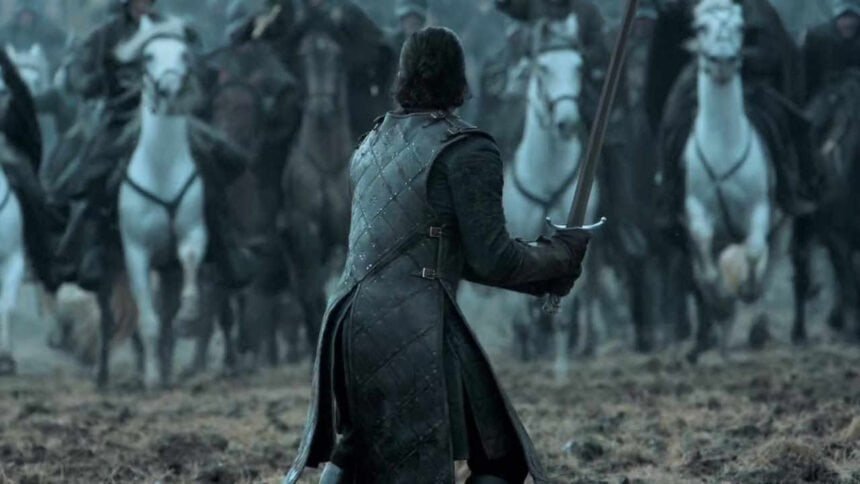
Westeros has never gotten the video game it deserves. One of the most recognizable dark fantasy franchises in modern memory, and there’s almost nothing critically acclaimed that actually drops you into it.
Which is strange, because the raw material is right there. Political backstabbing. Medieval battles at scale. Ancient lore nobody’s fully explained, from Old Valyria to the unanswered questions around R’hllor and the Lord of Light. Dragons.
So the workaround is what it’s always been: play the games that feel like Westeros without carrying the name. If you watch Game of Thrones, House of the Dragon, or A Knight of the Seven Kingdoms and want something to swing a sword in, these are the ones worth your time.

The one George R.R. Martin actually helped build
Start with the obvious. Elden Ring exists because Martin helped create its world and underlying mythology alongside Hidetaka Miyazaki, and you can feel his fingerprints all over the Lands Between.
Look at Queen Marika’s demigod children. When the Elden Ring shatters, those descendants grab its Great Runes and drag the realm into the Shattering. A ruling family this dysfunctional tearing a continent apart? You’ve seen this show.
FromSoftware then stacks one of the finest action RPGs ever made on top of that mythology. The boss fights want patience and precision. And exploring the ruined kingdoms slowly makes the point that the rulers’ ambitions wrecked the exact world they wanted to own.
Norse gods, generational grudges
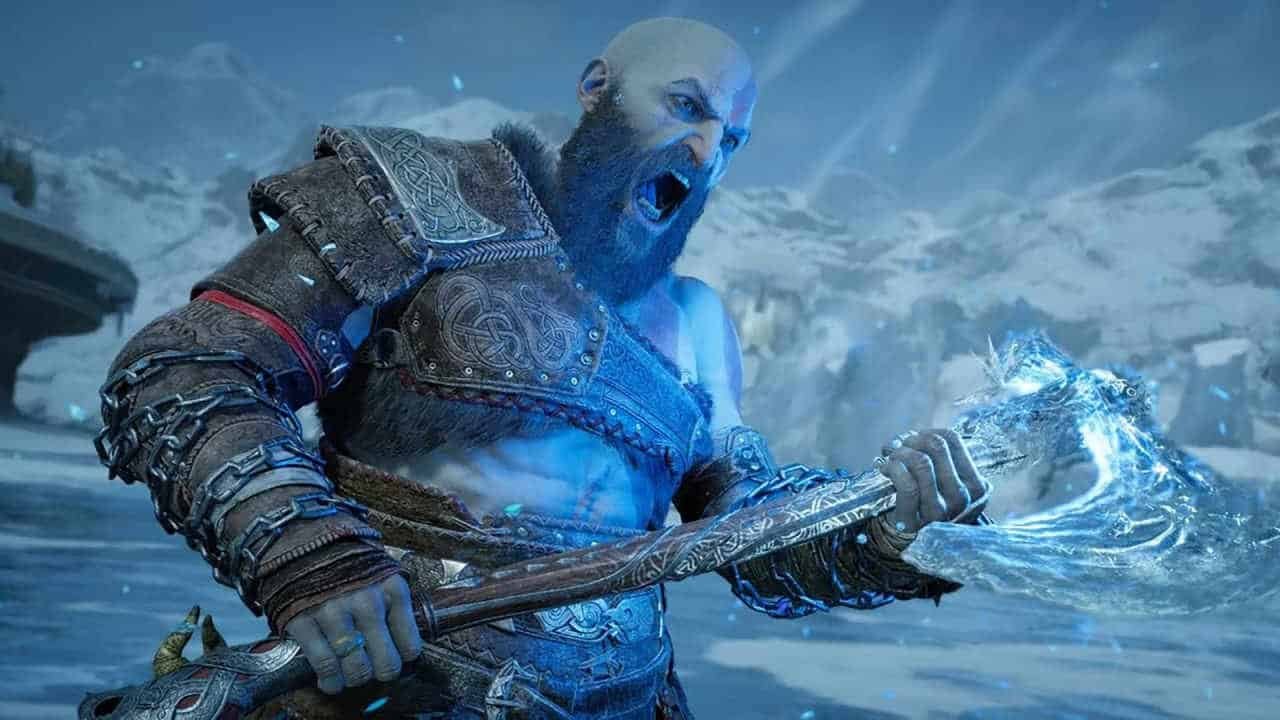
God of War Ragnarök pulls from Norse mythology, but the family conflicts driving it are the same engine that powers Game of Thrones. Kratos and Atreus land in the middle of a fight between gods whose grudges span generations, with Odin hanging over the Nine Realms as a manipulative ruler protecting his own grip on power.
Prophecy runs through the whole thing, pushing characters to ask whether their fates are already written.
Then the fighting starts and the comparison holds. Kratos’ encounters are brutal and personal, carried by some of the most satisfying melee combat in modern action games. With God of War Laufey coming soon, now’s the moment to catch up or run it back.
Knights, Vikings, samurai, and the art of reading a guy
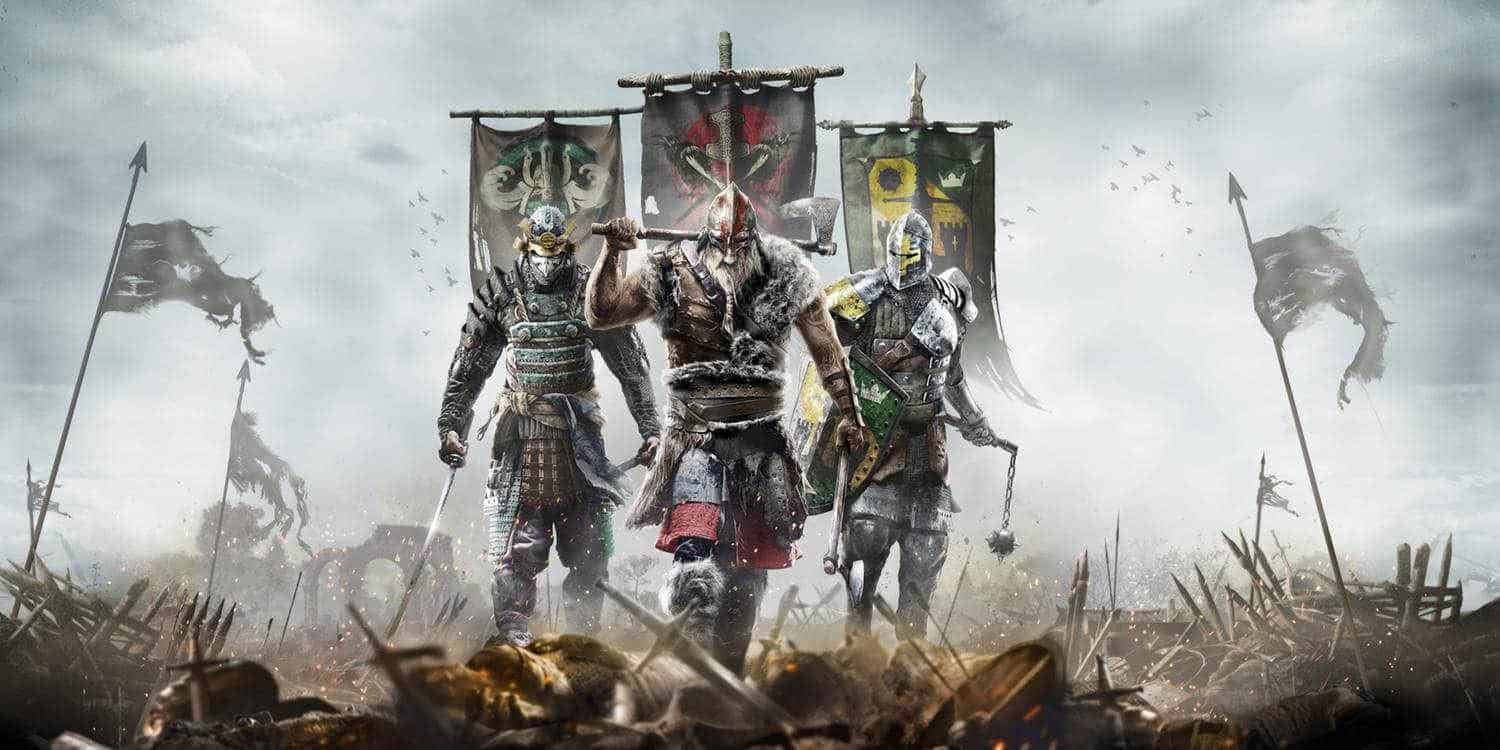
Nothing else sells the fantasy of being a heavily armored warrior like For Honor does. Ubisoft’s multiplayer action game has shifted a lot since its 2017 debut, but the core pitch of Knights clashing with Vikings and Samurai hasn’t moved.
Its combat system is built around reading your opponent, guarding from the correct direction, and picking your moment. That makes a duel feel like the tense one-on-one fights from the show instead of the button-mashing you get in most fantasy games.
There’s no sprawling Westerosi political drama wrapped around it. But if you want to know what it’s like to walk onto a battlefield as the Hound or Jaime Lannister, your options are thin and this is the best of them.
The system that remembers what you did
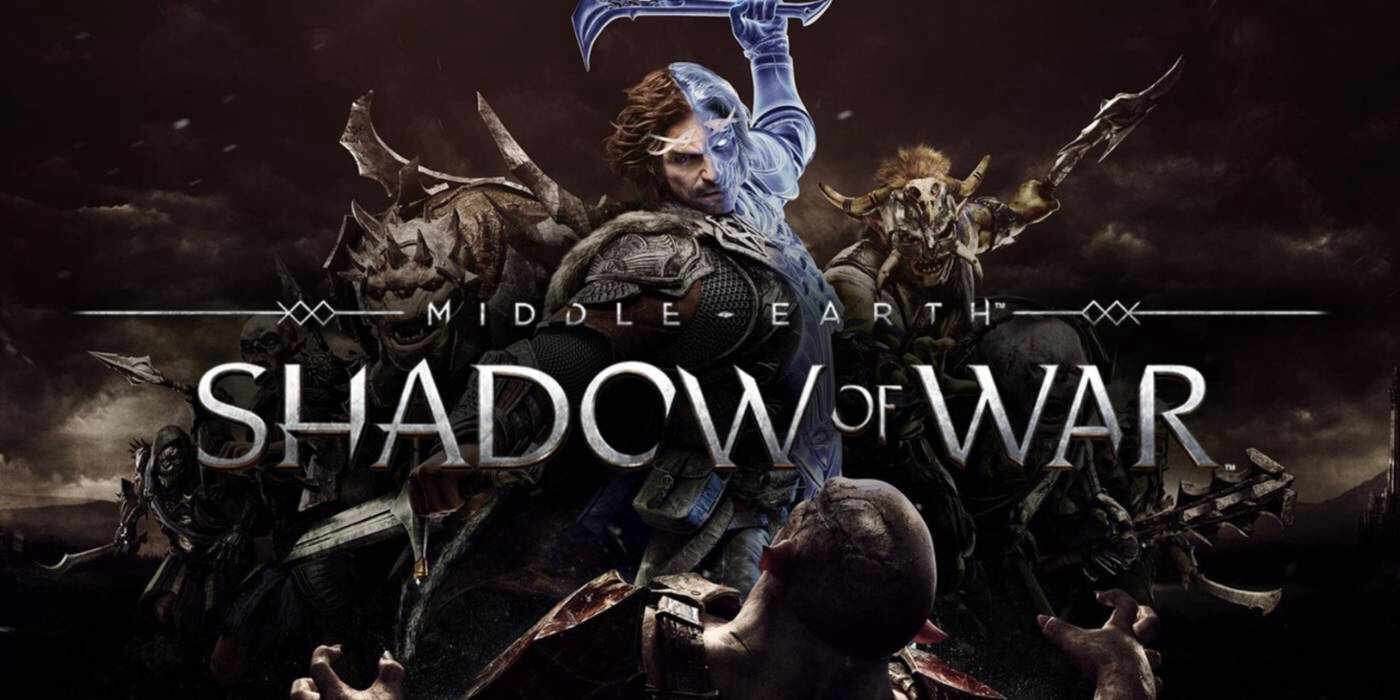
Middle-earth: Shadow of War lives in Tolkien’s universe, and yet its best idea would slot into Westeros without a seam. The Nemesis System builds shifting relationships among Mordor’s Orcs, letting enemies climb the ranks while remembering every previous run-in with you. Betrayal can rewrite a story mid-flight, especially once Talion starts recruiting followers and raising an army.
Eventually it opens into full fortress assaults, with players taking strongholds and installing their own forces to hold them. Mordor becomes a hierarchy where nobody’s position is safe.
Add Monolith’s fast, violent melee combat and you’ve got the pick for anyone who wanted the show to spend more time on rival armies and their commanders.
Vampires with a political structure
Call this recency bias if you want, but The Blood of Dawnwalker‘s dark fantasy vampire narrative traffics in the same intrigue. Its medieval world belongs to vampires who’ve seized the region of Vale Sangora, which hands the setting an oppressive political structure. Protagonist Coen sits in a genuinely interesting spot as a Dawnwalker, somewhere between human and vampire.
His abilities shift after nightfall. The directional sword combat asks you to watch opponents closely and answer with blocks or counters timed exactly right.
It’s darker than most modern fantasy RPGs, with macabre themes and sinister storylines that go toe to toe with something like the Red Wedding. Plenty of sex and morally ambiguous choices, too.
Succession crisis, but with Eikons
Strip out the unmistakably Final Fantasy parts and Final Fantasy 16 occasionally plays like it was built for people who watch this show. Valisthea splits between competing realms whose leaders depend on Dominants, humans who can channel the enormous power of creatures called Eikons. That setup turns certain people into political weapons, and the fight over them keeps ripping families apart.
The story goes dark early. Clive Rosfield’s life gets rearranged by a vicious succession crisis and a catastrophic betrayal in the opening hours.
Once combat opens up it becomes one of the most action-heavy entries in the series. Clive’s abilities get spectacular in ways Westeros never would, but the grim political backdrop underneath will feel like home.
Rome, vengeance, execution animations
Ryse: Son of Rome is the easy call if your favorite episodes were the ones where soldiers marched into battle. Crytek’s cinematic action game follows Roman soldier Marius Titus after the murder of his family sends him down a bloody path of vengeance, eventually pulling him from Britannia back into the political chaos of Rome.
The historical setting means no dragons and no supernatural threats. The brutality doesn’t need them. Combat is built around close-range sword fights that regularly close out with vicious execution animations, and Marius fights in larger military confrontations across the campaign.
Ryse is simple compared to most of this list, which is exactly why it works for anyone who wants medieval action without dozens of RPG systems bolted on.
Ninth-century England is basically the Seven Kingdoms
Westeros always borrowed heavily from real medieval history, which makes Assassin’s Creed Valhalla a natural fit. Eivor shows up in ninth-century England while the country is split among rival kingdoms, and building a future for the Raven Clan means getting tangled in the disputes between the people running them. Alliances carry nearly as much weight as your own strength, and much of the campaign comes down to deciding which local powers you can trust.
Ubisoft itself describes England as a fractured land of petty lords and warring kingdoms.
All that maneuvering does give way to action. Raids let Eivor hit settlements alongside other Vikings, and assaults on fortified positions capture some of the chaotic battlefield spectacle that made “Blackwater” and “The Watchers on the Wall” stick.
Sixty-four players, one castle
If the battles are the whole reason you watch, go get Chivalry 2. It cuts away nearly everything around medieval warfare and drops you straight into huge multiplayer clashes where castles get stormed and defensive lines collapse into bloody chaos. Developer Torn Banner describes it as a first-person slasher inspired by cinematic medieval battles, with matches supporting as many as 64 players.
That scale maps well onto the show’s biggest confrontations, the Battle of the Bastards included, and the siege maps deliver the castle defenses the series kept returning to.
Combat has real depth. But Chivalry 2 also gets that half the fun is just staying alive long enough to be part of an absurdly violent medieval mess.
The duel, not the war
Senua’s Saga: Hellblade 2 builds a cruel, unforgiving medieval world that should land hard with this crowd. Senua moves through 10th-century Iceland on a journey shaped by tyranny and survival, and Ninja Theory renders that landscape in remarkably cinematic detail.
The fights are deliberately intense, usually narrowing to Senua and one opponent rather than flooding the screen with disposable bodies. Every sword clash carries real danger.
That’s what makes it the right pick for anyone who remembers Oberyn Martell against the Mountain as vividly as any of the big set-piece battles. Hellblade 2 is relentlessly grim without sliding into generic dark fantasy, and the atmosphere keeps even the quiet stretches tense. An underrated one you shouldn’t skip.
Nine games, and not one of them says Westeros on the box. Martin only wrote the mythology for one of them, and it’s still the closest anybody’s gotten.