The robot crawled 15 to 20 feet into the crushed guts of an apartment building in La Guaira, camera scanning the dark, while a father stood a few feet away hoping the thing would find his son. It didn’t. The boy wasn’t there, or wasn’t reachable. And the man thanked the researchers anyway.
That’s the honest version of what a 4-foot snake robot did in Venezuela this summer. Not a rescue. A look into a space no dog, camera-on-a-stick or human arm could reach, which turned up nothing but told the search teams something real: keep looking, or don’t.
The machines belong to Howie Choset, head of the Biorobotics Lab at Carnegie Mellon University in Pittsburgh, and they showed up after two earthquakes hit Venezuela on June 24, killing more than 5,000 people and injuring 16,740. Rescuers from around the world worked those collapse sites with trained dogs, seismic and acoustic listening gear, thermal cameras and video cameras taped to poles. The snakebots did the one job none of that could.
What a snake robot actually does at a collapse
“The reason why snake robots are useful is they can get into tightly packed volumes that machinery and people otherwise cannot, and that’s important in search and rescue because we were able to extend the visual reach of the rescue workers in a safe way,” Choset told Ars. “In a sense, you’re doing minimally invasive surgery on a structure with a snake robot.”
Each robot runs about 4 feet long and is built from modular segments you can pop off and swap or upgrade. A human drives it with a video game controller and a laptop in a control case tethered to the robot. Software handles the ugly part, coordinating all those body segments into the right wriggle when the operator just says go from A to B.
Choset’s lab has spent nearly two decades building versions of these things to crawl through archaeological sites, swim underwater and assist with minimally invasive surgery. The search-and-rescue debut came after the September 19, 2017 earthquake in Mexico City, when a snakebot helped search a collapsed apartment building.
A chatbot is why they were on the plane
Here’s the part that shouldn’t work and did. Beatriz Gonzalez, a Venezuelan native living in Atlanta, asked the AI chatbot Grok how she could help search and rescue efforts back home after the quakes. Grok pointed her to a Carnegie Mellon article about the 2017 Mexico City operation, according to The Tribune-Review. She called Choset’s lab.
The researchers said yes, and they said it in an absurd place. They confirmed they’d go while standing onstage, about to demo the robots at a concert for America’s 250th anniversary at Pittsburgh’s Point State Park on June 27. “We were on between Third Eye Blind and Nelly the rapper,” Choset said.
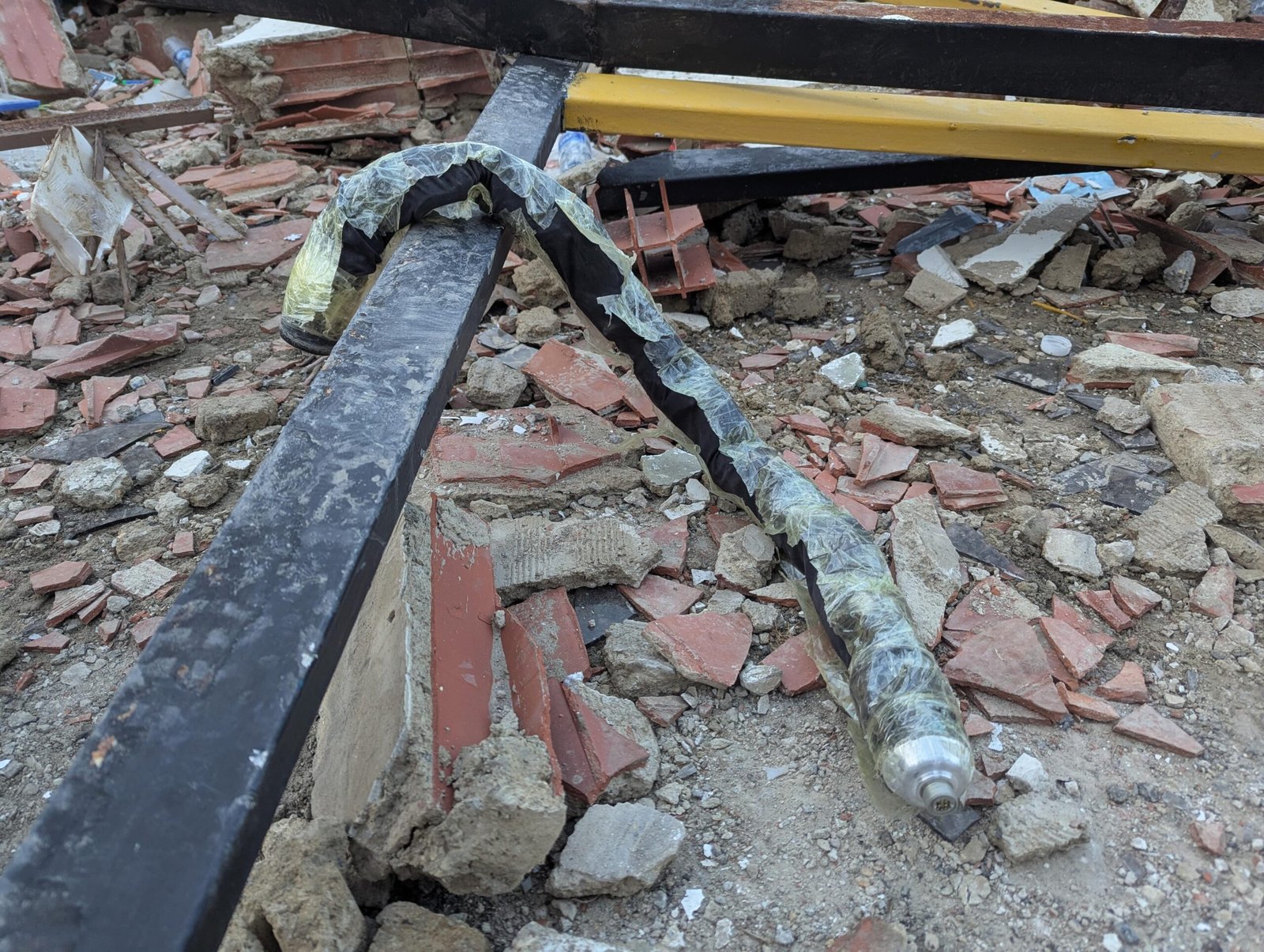
Then came the overnight scramble. The team swapped out head-mounted cameras on several robots to make sure they worked, packed spare batteries for the control case that doubles as the robot’s power supply, and inside 24 hours were flying to Miami with three snake robots in tow.
The trip nearly stalled in Miami
The June 28 stopover ran long because the team had to find a private jet owner willing to fly them into Venezuela. A few backed out over restrictions from the Venezuelan government. Gonzalez leaned on her connections and got them a flight.
The plane landed June 30. US Marines met the team before handing them to the Venezuelan Red Cross, who moved them to La Guaira, a hard-hit city in the north. From June 30 to July 3, three days, the Carnegie Mellon crew worked several collapse sites alongside international teams.
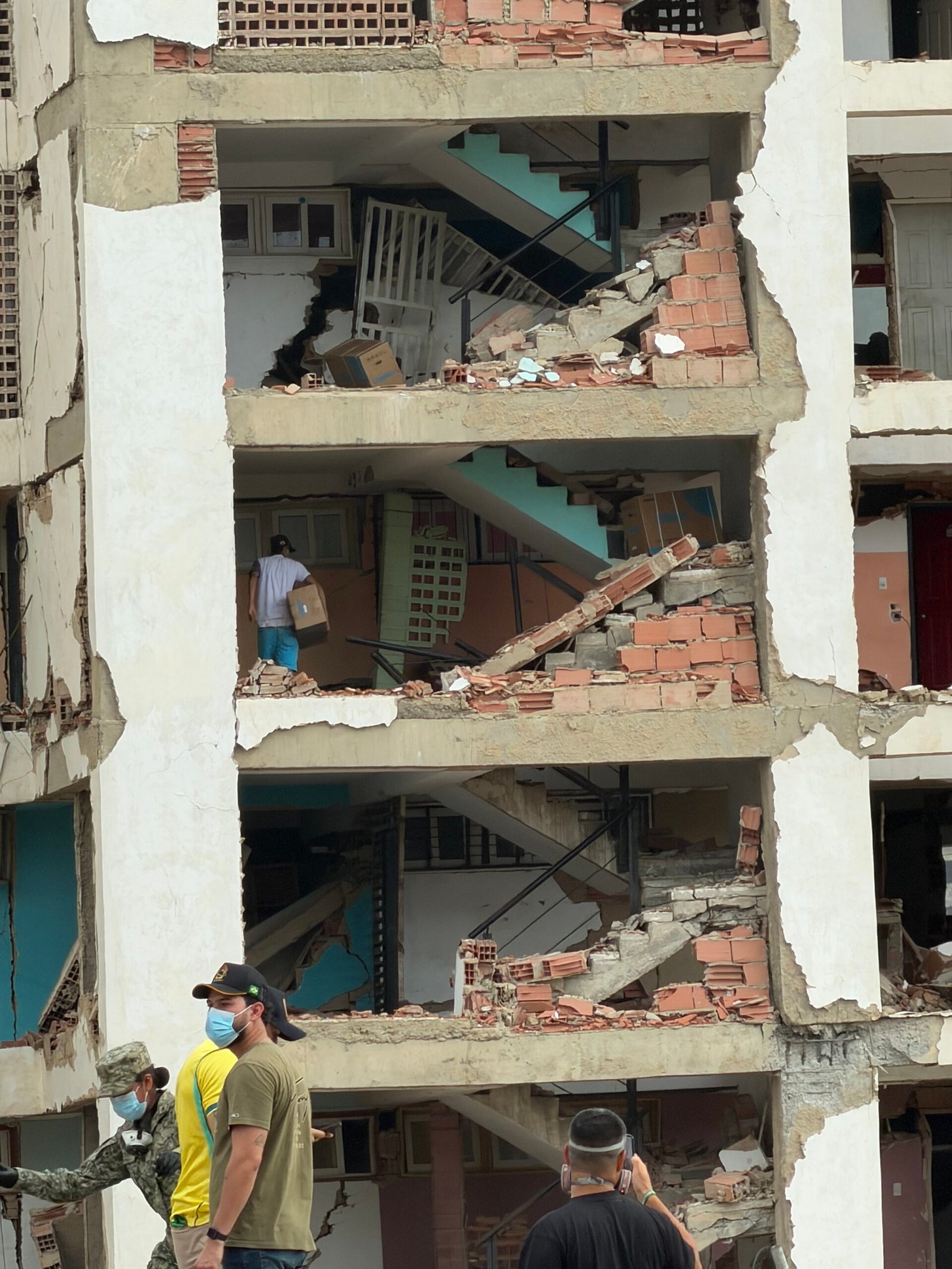
One site captured the whole point of the exercise. A Jordanian team with a dog had ruled out survivors in a collapsed apartment building. A Colombian team’s infrared cameras suggested someone might be alive in there. The two readings disagreed, so the snakebot went into a small hole to settle it, with the missing boy’s father waiting close by. Fifteen to 20 feet in, nobody. The man thanked them anyway.
“The people in Venezuela were beyond gracious,” Choset told Ars. He described locals feeding the team hot meals through the work, handing over sports drinks, once a pound cake.
“They were very caring, and they’re showing this kind of love, this kind of affection for us while they’re suffering a burden that no human should ever have to suffer,” Choset said.
The money question hanging over the wreckage
The United Nations has requested nearly $300 million to help more than 1.3 million people hit by the quake. The World Bank puts building damage at $19.6 billion.
Against that, the Trump administration has collected more than $13 billion from Venezuelan oil exports and sales, by Financial Times calculations. The US seized control of Venezuela’s oil revenues after capturing President Nicolás Maduro in a military raid in January and securing the cooperation of vice president Delcy Rodríguez.
That money could rebuild the country. But the slow recovery on the ground raises the question of whether all of it has been made available for Venezuela’s use, per the Financial Times, and the administration hasn’t explained how it’s handling the funds despite questions from US lawmakers.
No save on the scoreboard, but the work counted
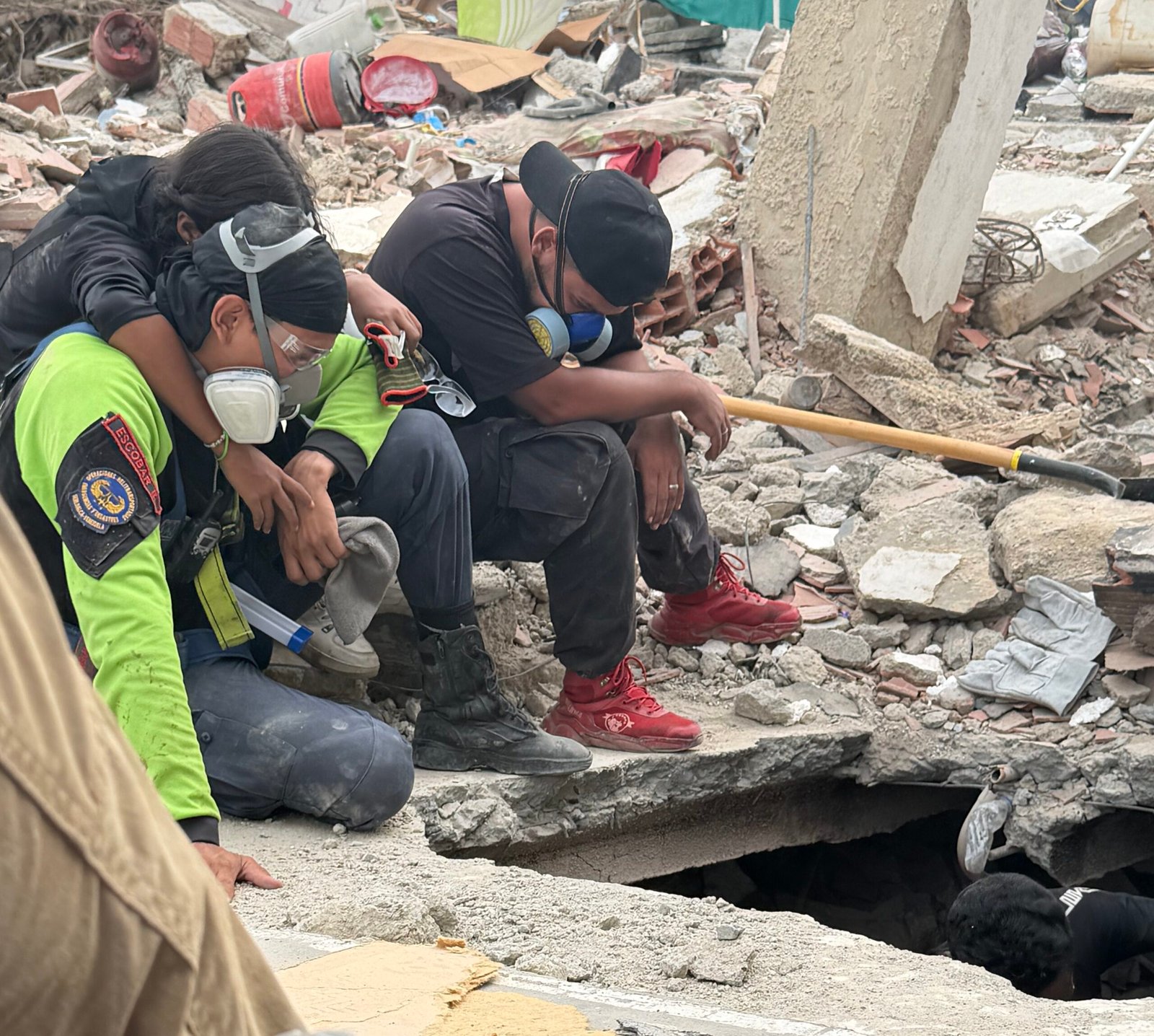
The snakebot team flew home without a rescue to its name. Search teams from around the world pulled out nearly 6,500 people. And Choset caught a piece of one of those saves secondhand, in a long conversation with a woman whose husband, a security guard, spent eight days buried in the collapsed basement of a shopping center. When Choset later heard the man came out alive, he said he was overjoyed.
“She had two kids, and the age difference was the same as my two boys, so it hit home for me there,” Choset told Ars.
What they’d change before the next call
The lab already has a fix list. Near the top: light-based sensors for 3D point cloud mapping of a snakebot’s surroundings, so the operator and the rescue teams get a real sense of how to steer the robot under a collapse instead of flying blind on a single camera feed.
The team also wrote up field notes into a to-do list for the next unplanned trip. “The big thing is what to pack and how to pack,” Choset said.
Don’t mistake these for finished rescue equipment. They’re research prototypes, and Choset says so plainly. What made them useful in Venezuela was years of breaking and fixing them in training runs, plus a lab habit of building for reliability past the demo stage.
“My students and staff took the attitude of, ‘Let’s make sure these are robust systems as much as possible,'” Choset said. “So that when we’re doing our research, we’re not constantly fighting with the robot to get things to work.”