

Alexandre Dumas needed 1,276 pages to tell you about one wrongfully imprisoned man and his revenge. He earned every one of them.
That’s the thing about historical fiction at its best. The genre asks for your patience and then pays it back with a time period you can feel rather than memorize. These books aren’t 100% factual, and some of them miss the mark entirely. But the good ones hand you an emotional connection to monumental events, or to the plain texture of everyday life in a century you’ll never see.
Knowing that, in broad strokes, it really happened? That’s the part no other genre can fake.

Here are 10 worth your time.
Two sisters, one occupation, opposite choices
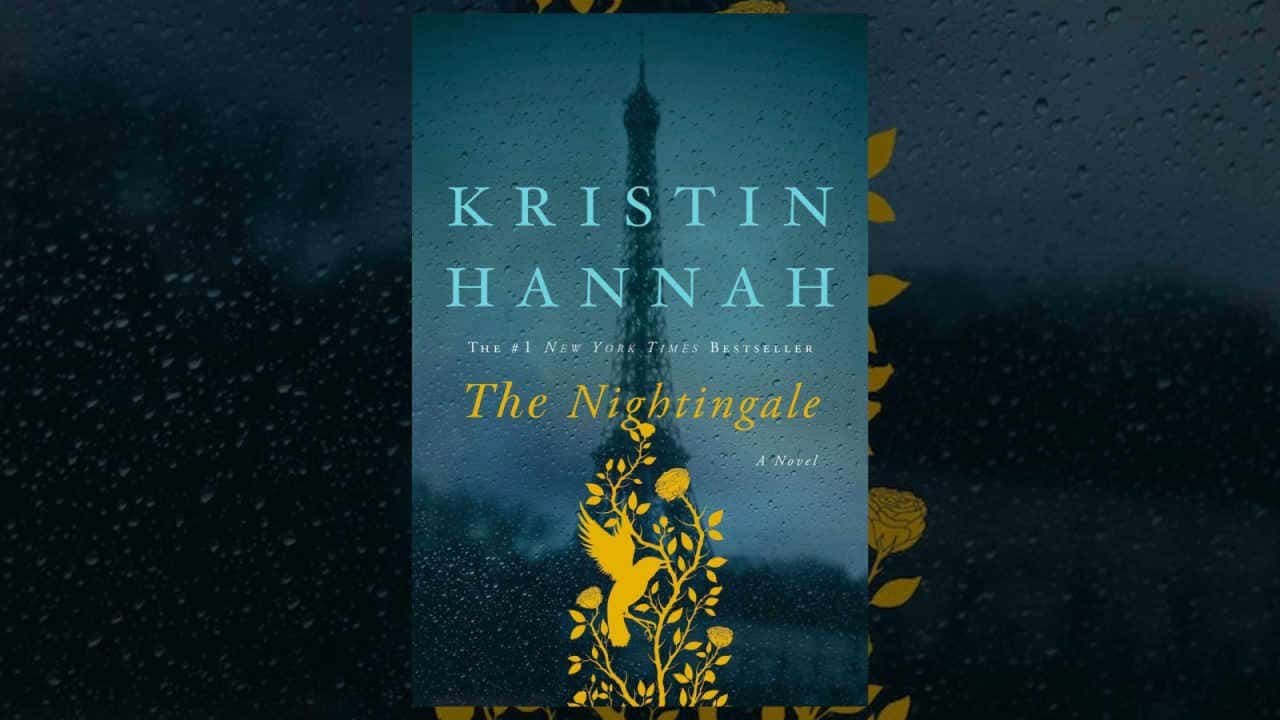
The most recent book on this list is Kristin Hannah’s 2015 novel The Nightingale, which looks at the harsh realities of Nazi occupation during World War II through Vianne and Isabelle.
Vianne’s husband was drafted and captured as a prisoner of war. She’s left behind with abuse and hunger, trying to protect her young daughter and other children.
Isabelle, the younger sister, went the other direction. She took an active role in resisting the occupation under the code name “Nightingale,” walking into danger because she believed it was right.
The revenge novel everyone keeps remaking
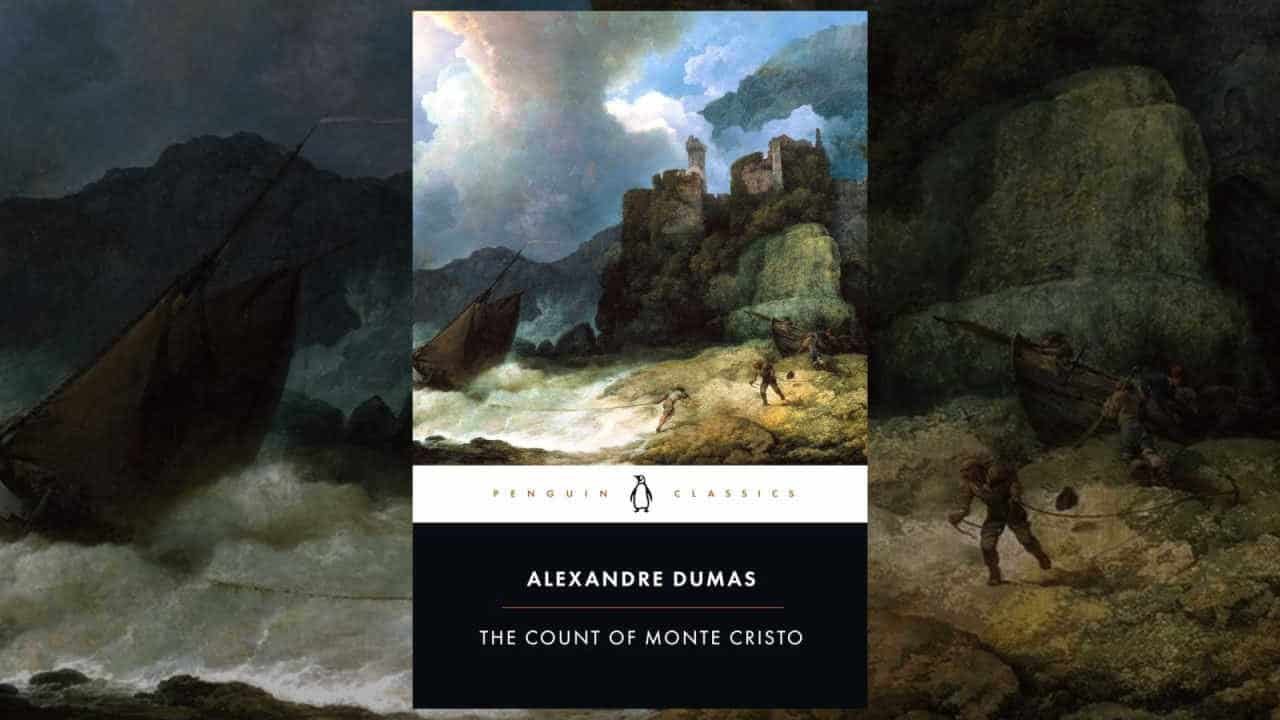
The Count of Monte Cristo has been adapted into movies, television shows and more over the years, and Dumas built it largely from a real-life case of wrongful imprisonment.
Summarizing 1,276 pages in two sentences is a losing game, but: Edmond Dantes goes to prison for a crime he didn’t commit. Inside, he learns of treasure hidden on the Isle of Monte Cristo, plans his escape and works out exactly how to ruin the men who put him there.
Texas to Montana, and everything trying to kill you
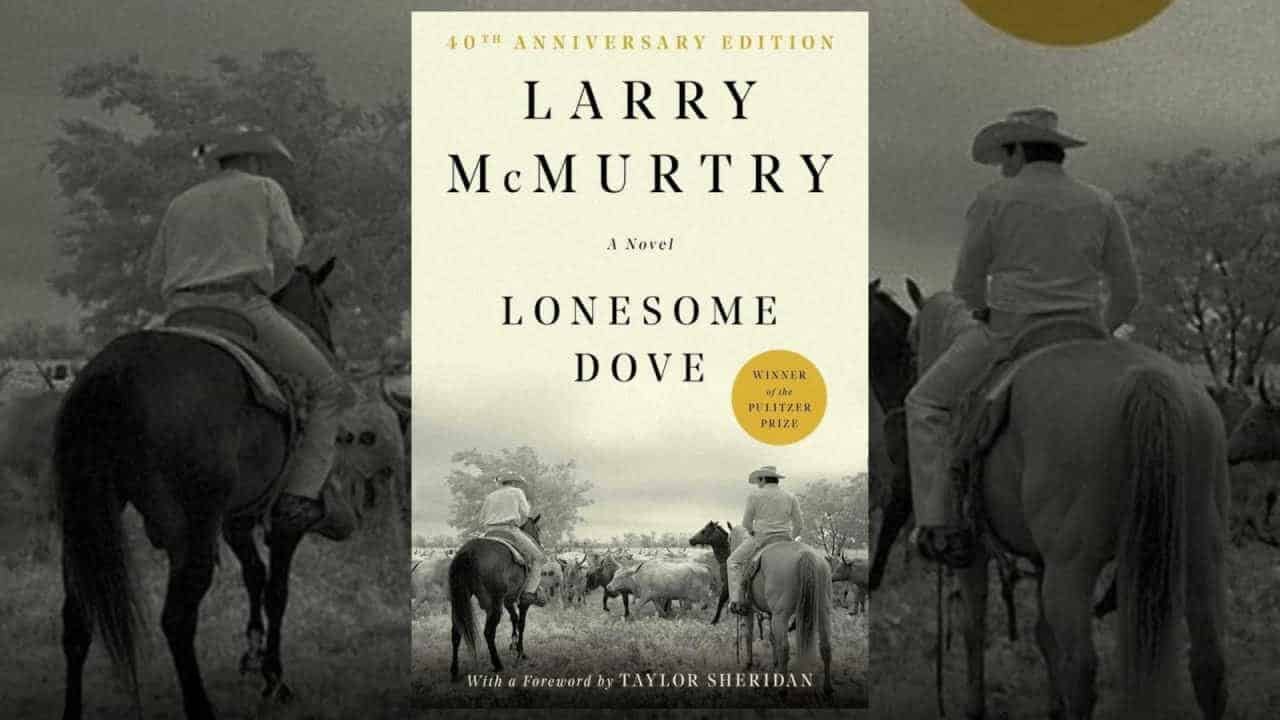
Lonesome Dove is adventure and love story set in America’s Old West in the 1870s. Retired Texas Rangers take on a cattle drive running from Texas to Montana.
Indian attacks. Outlaw gangs. Rivers that don’t care who you are.
What holds you, though, isn’t the danger. It’s how much depth these characters carry, their motivations and pain and private thoughts laid out until you know them.
Before the musical, there was 1862
Plenty of people know Les Misérables as a musical and a long line of other adaptations. It arrived first as a novel in 1862, set during a revolution and the June Rebellion in Paris.
Jean Valjean spends 19 years in prison for stealing bread. He comes out determined to be a force for good, helping the downtrodden and redeeming his life.
Police Inspector Javert doesn’t buy it. He pursues Valjean without mercy, convinced no criminal can truly reform.
A minor Bible character gets the whole book
Published in 1997, The Red Tent is a first-person narrative from Dinah, daughter of Jacob and Leah. She’s barely present in the Bible. Here she’s the entire lens on what daily life was probably like in that early stretch of history.
The title refers to the tent where, under ancient Jewish law, women had to stay while menstruating or during the birthing period. Nobody can know what Dinah went through. The character exists to explore how women were treated, the good and the bad, and what that period felt like from the inside.
Death narrates, and he’s a decent storyteller
Another look at Nazi Germany, this one told by Death, who walks you through the lives and views of many victims of the war. Mostly, though, Death is telling you about Liesel.
After her brother dies, she steals a book from the graveyard where he’s buried. Her foster parent, Hans, teaches her to read and write, and the habit sticks. She starts lifting books from Nazi book-burnings, from the mayor’s wife’s library, from anywhere.
Then her foster parents hide a Jewish man, Max, in the basement, and the war stops being something happening elsewhere.
Read it before you defend the Hulu version
A couple of years ago Shōgun became an original series for Hulu, which sent viewers back to the novel and to the genre around it. The show took creative liberties. Worth reading what James Clavell actually wrote.
His 1975 book is loosely based on real events and figures during Japan’s Shogunate restoration around 1600. English pilot John Blackthorne is shipwrecked on the shore of feudal Japan, a place ruled by samurai law, and the story works through political power struggles, cultural differences and what loyalty and honor are supposed to mean.
The one with the asterisk
Memoirs of a Geisha comes with real controversies, including cultural misrepresentations by its American author and the argument that the book makes geishas look like prostitutes with their virginity auctioned off, a claim that has been disputed.
Keep that in your pocket while you read. What’s left is an emotional, immersive portrait of geisha life in Japan around World War II, written first-person, fast-paced and easy to move through. The descriptions open up a world that’s stayed largely secretive.
A cathedral, and the town that can’t stop fighting over it
The Pillars of the Earth is set in 12th century feudal England and builds its whole spine around the development of Gothic architecture, as unschooled stonemasons are handed the job of raising a cathedral in the fictional town of Kingsbridge.
The atmosphere is thick with walled towns, castles and monasteries. But the cathedral is only half the plot. The rest is the daily life of Kingsbridge, the drama and love and betrayal, told so well the people start feeling like actual individuals you happen to know.
Long, hard, occasionally bleak, still worth it
Tolstoy’s War and Peace isn’t for the faint of heart. It’s long. It can be difficult to understand. It can be depressing.
And the writing is remarkable. The way the characters’ lives weave together is masterful, and the insight it offers into history and into people is something no other novel quite matches.
The broad canvas is Napoleon’s invasion of Russia in 1812, with characters drawn from every background, all of them struggling inside a country at war. You get the era, the culture and Napoleon himself, rendered in a way that stays with you. It’s thoughtful, immersive and one of the greatest historical fiction books ever written.
Start with Lonesome Dove if you want to be entertained. Start with War and Peace if you want to be changed. Just don’t start with both.